dailynewsnblog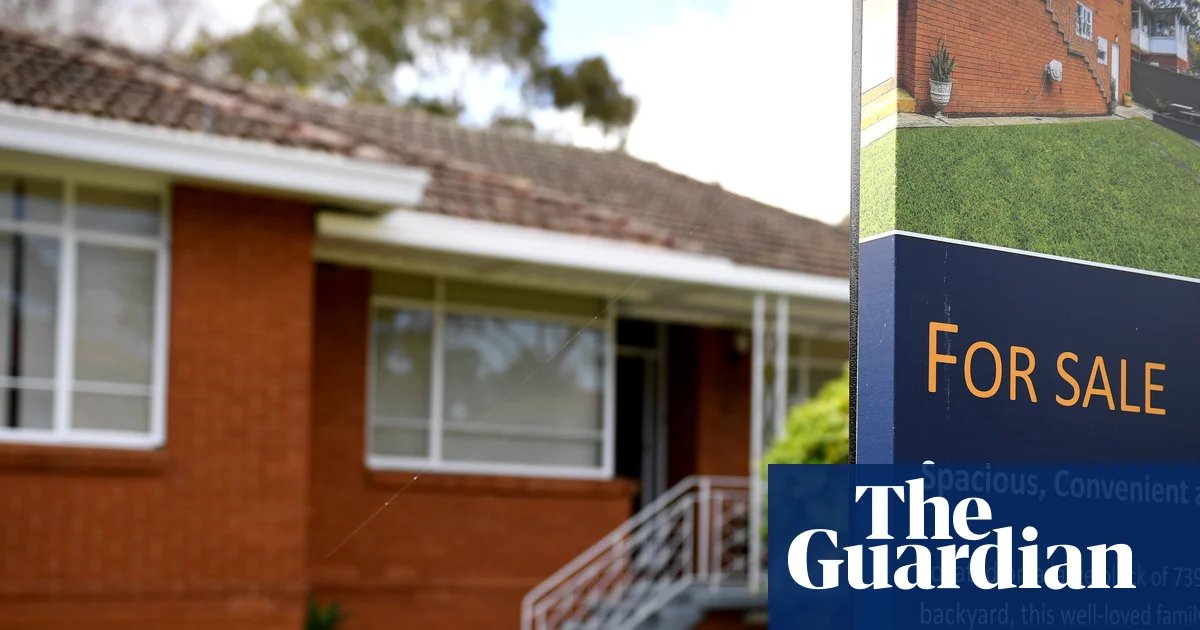
Home prices in Australia’s capital cities have begun to fall, with experts predicting the decline could last at least a year and wipe as much as 10% from values.
The median capital city home price fell in May, the first decline since January 2025, as high interest rates and inflation stretched buyer budgets, Cotality reported on Monday. Auction success hit a new low for the year.
Sydney, Melbourne and Canberra median house prices ended May lower than they were at the end of 2025. Even homes at the cheaper end in those cities fell in value, losing the momentum maintained at the start of 2026.
The Reserve Bank since February has returned interest rates to their 2024 highs, putting the official cash rate at 4.35% and lowering the borrowing power of potential buyers.
Nationally, prices were flat over May, with slow growth in the regions outweighing metropolitan declines. Prices rose in Brisbane, Perth, Adelaide, Hobart and Darwin – but the rate of growth there has slowed.
The number of homes listed for sale has picked up in most cities but the number of sales has slipped, Cotality reported.
Auction success hit a new low for the year in the final week of May, with just 54.5% of homes sold after being listed for auction, according to Cotality’s preliminary national clearance data.
The finalised rate of successful auction sales is typically even lower, suggesting auction clearance rates could be tracking to hit their lowest point since 2020’s lockdowns.
Cotality’s Tim Lawless said the capital cities’ price fall in May could be the start of a significant year-long decline, even in the smaller cities that had enjoyed price booms.
Economists have predicted a slight fall in house prices in 2026 under the weight of interest rates, the federal budget’s tax reforms and declining household confidence. Analysts at investment bank Morgan Stanley have said values could slide 10%.
Lawless said those predictions were reasonable, given prices had risen nationally about 35% in the last five years.
“In the context of such a significant upswing over the past five years, a 10% drop doesn’t seem unreasonable,” he said.
“I don’t think we’ll see the market turn around until we see interest rates coming down … probably [in the] second half of next year.”
The Albanese government’s proposal to tighten property investor tax breaks has added to uncertainty in the housing market. The housing minister, Clare O’Neil, said on Sunday the reforms were not responsible for the moderation of house prices.
“The tax changes we are making in the budget are not the main driver of that,” O’Neil said on ABC’s Insiders.
“House prices in our country move. The biggest driver of them is what goes on with interest rates.”
The Reserve Bank is not expected to cut interest rates until late 2027 at the earliest. Markets are betting on another rate rise this year as the RBA expects inflation to hit 4.8% by June.
Adding to inflation worries, rents have been rising at a growing pace, Cotality reported on Monday.
Advertised rents rose at least 0.6% nationwide each month in 2026, pushing the annual pace to 5.9%, its highest level since September 2024.
Vacancy rates nationally have dipped to 1.5% on Cotality’s measure, equal to the record lows observed in 2022 and 2023 when asking rents rose more than 10% annually.
The property industry has warned the budget would force landlords to sell out, cutting rental supply and forcing rent prices up. O’Neil dismissed that criticism on Sunday, saying renters would have a better chance of buying homes thanks to the reforms.
“A lot of people in this debate [are] saying they’re speaking for renters,” she said.
“Can I ask Australians to focus on organisations that have got decades of experience in advocating for renters … All of them are backing in the changes we are making.”