dailynewsnblog
The California State Assembly has passed a new bill detailed by Stop Killing Games, in another major step forward for the global game preservation movement.
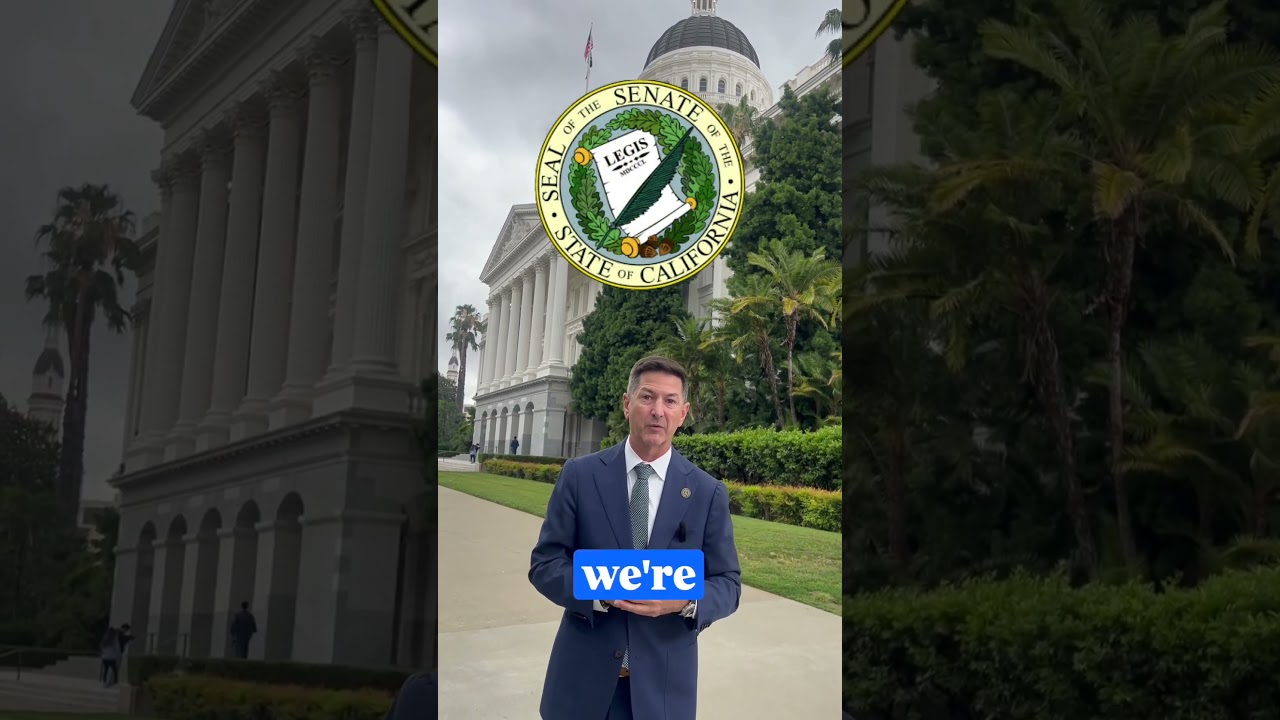
In a video posted on Stop Killing Games’ YouTube channel (via IGN), California State Assembly Member Chris Ward revealed that the Protect Our Games Act (also known as the AB 1921 bill) passed the vote on the State Assembly floor by 43 to 16.
The bill would require game companies to provide 60 days’ notice prior to ending support for games reliant on online servers. In addition, those companies would have to provide a way for owners to continue to play the game afterward (such as providing an offline mode or support through community servers) or offer a refund.


According to Ward, the idea was originally proposed by “a constituent in San Diego who is tired of seeing their games shut down after recent purchases”. Stop Killing Games had backed the bill, which aligns with the organisation’s goal of ensuring that online games remain playable after their developers and/or publishers have ceased supporting them.
Watch On
It represents another significant moment in an already strong year for Stop Killing Games, which started in 2024 after Ubisoft announced it would de-list its online racing game The Crew, rendering it inaccessible to players. In April, Stop Killing Games’ founder Ross Scott and organised Moritz Katzner presented their case to the European Parliament, in a hearing that appeared to be positively received by the committee.
A reply to that hearing is due back in the next few weeks. Back in February, meanwhile, the organisation announced it was launching NGOs in both the EU and the US for the purpose of “long-term counter-lobbying” on the issue of game shutdowns.
As for the Protect Our Games Act, passing the California State Assembly is only the first step in its legislative journey. The bill will now progress to the California State Senate, where it will need to drum up further support. It’s worth noting that the bill does have its opponents, most notably the Entertainment Software Association, the US’ trade association for the video game industry, and the organisers of the now-defunct E3 expo.
Earlier in May, the ESA objected to the bill, claiming it “could force developers to spend limited time and resources keeping old systems running instead of creating new games, features, and technology.” Stop Killing Games responded at the time, stating that “This is the same fight as in Europe: a grass-roots consumer movement asking for basic end-of-life protections, versus the industry lobby trying to preserve the right to sell games that can later be rendered useless while preserving control.”