dailynewsnblog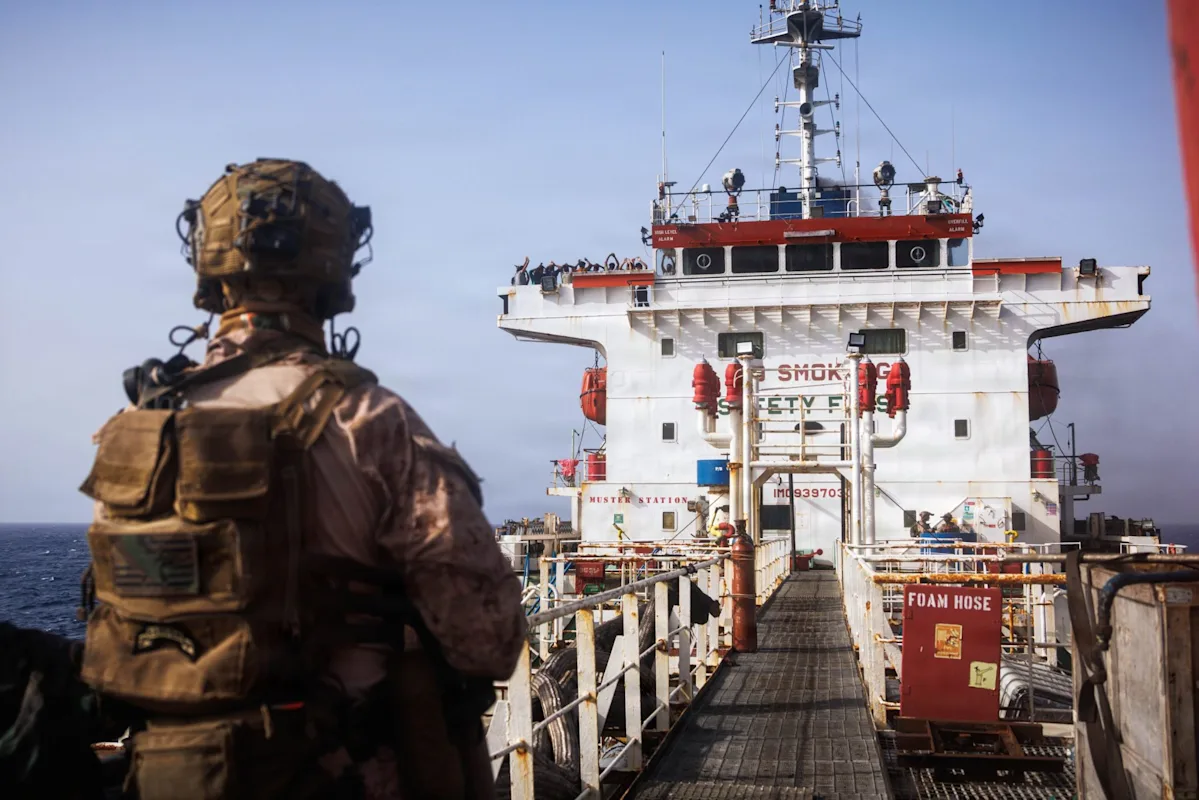
The two biggest U.S. oil companies joined the growing chorus of voices sounding the alarm on the imminent doom global markets could soon face.
With the Strait of Hormuz still effectively closed, top oil-consuming countries have been rapidly draining their reserves, helping keep crude prices in check.
But Exxon Senior Vice President Neil Chapman warned at an industry conference on Thursday that such drawdowns can’t go on indefinitely.
“We’re approaching unheard of inventory levels,” he said, according to CNBC. “I mean really, really low levels. You can debate whether that’s going to hit those really low levels in two weeks or three weeks. Once you get to that point, then you’ll see price shoot up.”
For now, the U.S.-Iran ceasefire talks are deadlocked while the Strait of Hormuz remains a contested waterway. That was on display Saturday, when U.S. forces fired a missile at a blockade runner to disable it after ignoring repeated warnings.
Iran has also kept up attacks on commercial ships attempting to cross the strait without its authorization, though the U.S. is guiding more ships to safety.
The U.S. has released about 50 million barrels from its Strategic Petroleum Reserve since the war with Iran started, sending the stockpile down by 12% to 365 million barrels, the lowest since April 2024.
But in key regional oil hubs like Cushing, Okla.—where West Texas Intermediate crude is priced—the situation is more dire. Data from Kpler indicates that inventories there have fallen from 33 million barrels nearly two months ago to about 24.5 million, near operational lows of about 20 million barrels.
JPMorgan has predicted that commercial oil inventories in the developed world could “approach operational stress levels” by early June. Capital Economics has said stockpiles in top economies could hit “critically low levels” by the end of June.
“I don’t know, whether it’s two to three weeks or three to four weeks,” Exxon’s Chapman said on Thursday. “What I’m really saying is, once you get to the minimum inventory levels and all-time low inventory levels, there’s only one way to go.”

Similarly, Chevron CEO Mike Wirth said at the same conference Thursday that oil prices will likely soon jump as the market’s “shock absorbers” are depleted, weakening its ability to continue absorbing the disruption.
“Over the next few weeks, we’re likely to see those pressures flow through more directly to physical prices and there’s more upwards pressure that I would expect as we get into June and certainly into July,” he added, according to the Financial Times.