dailynewsnblog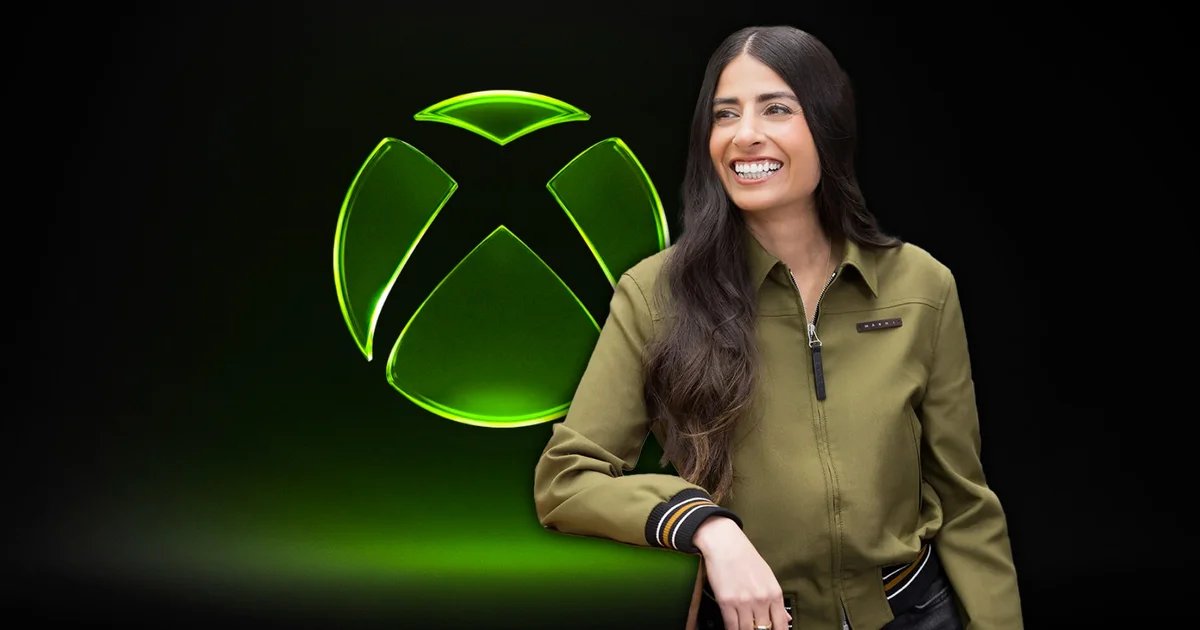
Microsoft’s recent decision to cut the price of Xbox Game Pass seems to have done what it was designed to do and increase Game Pass subscriber activity.
In an internal memo to staff seen by The Verge, Xbox leader Asha Sharma reportedly wrote: “Growth slowed down and subscriber loss accelerated after the pricing and SKU changes last year. Since our price reduction we have seen acquisitions grow and retention improve, which is a good first step.”
Microsoft lowered the price of its top-tier Xbox Game Pass Ultimate offering last month, reducing the monthly subscription from £23 ($30) to £17 ($23) – a sizable change. Microsoft also knocked the PC Game Pass price down from £13.50 a month to £11. A notable side-effect of the cut was the removal of new Call of Duty games as day-one releases on Game Pass Ultimate, which will instead be sold separately and added to the Xbox subscription service approximately a year later.

For Sharma, this price-cut is a decision that’s had a tangible and a fairly immediate impact, by the sounds of it, although exactly what ‘acquisitions growing and retention improving’ means, we don’t know. The numerical change might be negligible. Nevertheless, it’s evidence of actual change after months of shuffling and rejigging behind the scenes at Xbox after Sharma took over from Phil Spencer in February this year.
Other notable moves during Sharma’s time in charge include ditching the “Everything’s an Xbox campaign”, which muddied the Xbox as a console proposition, which Sharma has made a lot of noise about re-supporting. Project Helix is the PC-console hybrid device that’s apparently going to re-invigorate the Xbox console brand.
There have also been several more superficial marketing moves designed to change the image of the Xbox brand, sometimes literally in the case of a new Xbox logo. There’s also been an Xbox Player Voice feedback system for people to air their wants and grievances, and the tacky decision to rebrand Xbox in shouty uppercase lettering as XBOX – a styling we’re blissfully ignoring here.
But Sharma’s all for it. “We are building a stronger XBOX,” she wrote to staff. “That means making hard choices about what we build, where we invest, and what kind of company we need to be going forward. That is part of what you are starting to see in the shift from Xbox to XBOX. It reflects a decision to be deliberate in how we show up for the players who care most about this brand.” Does it though? Does it really?
A key moment in Sharma’s tenure comes next week when she leads the Xbox Games Showcase on 7th June at 6pm UK time (10am PDT) – a platform we’ve become so used to seeing Phil Spencer on. Sharma acknowledged in the memo that “we will not solve this in one moment or one launch”, so hearing what Xbox has in its arsenal for the year ahead will be crucial. It’s a big moment for Sharma – a chance to convince a core gaming crowd – so let’s hope there are some equally big announcements for it.
However, it’s always worth underlining that Microsoft’s continued connections with the Israeli military and that regime’s persecution of the Palestinian people provide a stormy backdrop to this. There are active calls to boycott Xbox games and products, which have already led to smaller game teams returning Xbox funding.