dailynewsnblog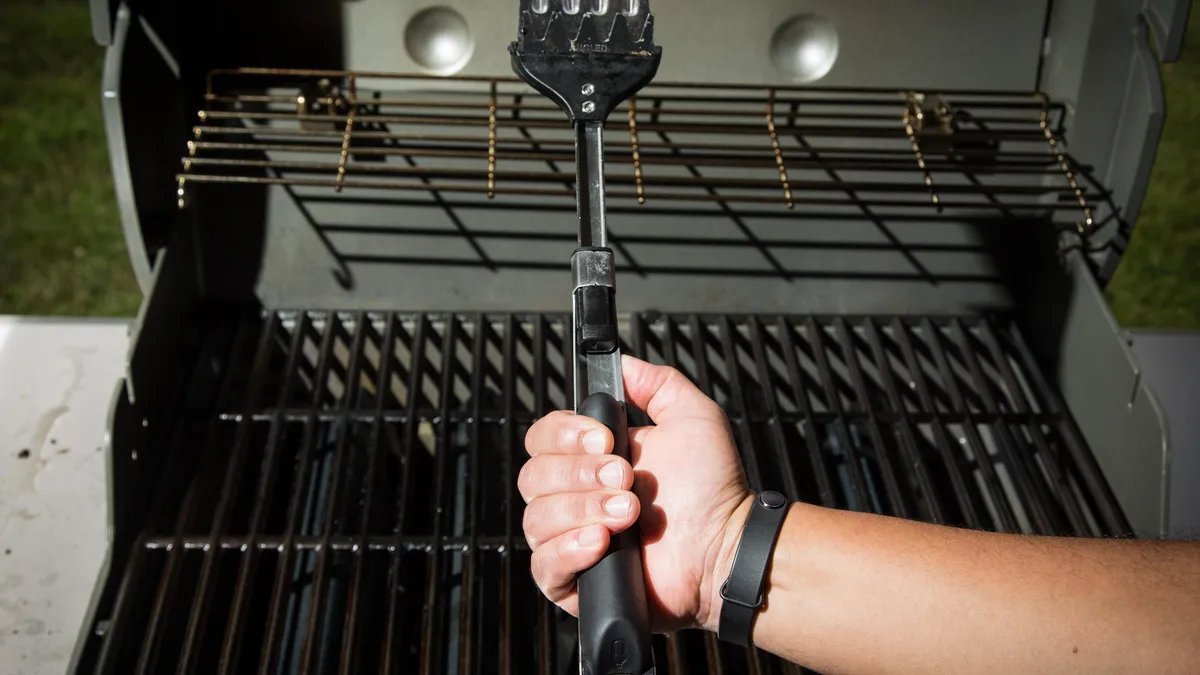
If your grill went into storage without a proper cleaning, now’s the time to deal with it — before you cook a single thing this summer. Crusty grates and old grease buildup aren’t just unpleasant to look at; they actively work against you, causing nasty flare-ups and fires.
A neglected grill harbors bacteria that can transfer directly to your food, and nobody wants their burgers carrying a hint of last season’s burnt drippings. Beyond that, grease pooling at the bottom invites rust, and clogged burners on gas models restrict fuel flow, leading to uneven heat across the grates.
A good scrub-down before firing up takes maybe 20 minutes and pays off right away — better-tasting food, a grill that actually performs, and fewer surprises when dinner is on the line.
For this guide, I used a propane model to walk through the cleaning process, but the same routine applies to charcoal grills, pellet smokers and kamado grills as well. (For more cleaning tips, see how to clean a cast-iron skillet and how to make a DIY cleaner with 3 ingredients.)
How often should you clean a grill?
If you spend big money on a new grill like Ninja’s FlexFlame, keep it in working order with proper cleaning.
How often you’ll need to clean your grill depends on how often you use it and how dirty it gets when you do. Most experts suggest deep-cleaning your grill at least twice per year, with lighter, maintenance cleaning after each use. If you’re a heavy griller (or not as good with the post-dinner clean), three times per year would be a better cadence. If you’re a seasonal griller, you’ll definitely want to give your grill a good clean before you put it away for winter and likely again in the middle of peak season.
How to clean a grill
1. Open up the grill and pull it apart
First, you’ll need to open the grill and remove its various parts. This way, you’ll be able to access the main grill chamber. Typically sitting below the grates, this is where heavy food particles tend to fall and grease drippings land.
Start with a cold grill. Open the hood, remove the grill grates and set them aside. Some propane gas models also have one or multiple metal heat diffusers that rest over the burners. If your grill has them, take those out too.
2. Clean the inside of the grill
A lot of grease and food particles tend to collect inside the grill’s interior, also known as the “grill box.” Use a cheap putty knife (metal or plastic) or an old spatula to scrape the sides of the grill chamber free of as much gunk as you can.
Any thin, flat tool will do. Just make sure it provides a good surface or handle to grip. You also might want to consider getting a pair of work gloves, too, since this is bound to be a dirty job.
On charcoal and wood pellet grills, ash will accumulate within their coal trays and fireboxes. That in turn limits airflow, and ultimately affects cooking performance. And in the case of pellet grills, ash can cause misfiring of the pellet system. Sometimes this situation leads to a precarious over-firing condition when too much fuel ignites at once.
Avoid that by regularly clearing ash from your grill. Just be sure to do so when the ash has cooled completely.
Watch this: Here’s how to clean your grill safely
3. Clear the burner tubes
If you have a gas grill, one part that often gets clogged are its burner tubes. One symptom of dirty burners is reduced flame size. They may also burn with an orange color instead of the usual blue. Both indicate abnormally low temperatures and an underpowered grill.
Typically a gas grill has multiple burner tubes, though some may have only one. Use a nylon or steel wire brush to gently clean the small holes on the tubes. Be sure to brush from the center of the tube outward, moving sideways (not up and down). Otherwise you may push debris into the tube or holes themselves instead of clearing them.
Enlarge Image
Use a metal scraper instead of a steel-bristled brush.
4. Clean the grill grates
Reassemble the grill, then turn it on to its highest temperature setting and close the hood. There may even be a cleaning level on your burner dials. After a few minutes, open the lid and scrape the grates vigorously. I recommend using a nonbristle metal grill brush, like the $21 Kona Safe Clean Grill Brush. It’s made out of stainless steel and is bristle-free so it’s safe for use on porcelain, ceramic, steel and cast iron surfaces.
You can also use a nylon brush, but make sure to do this only when the grill is cold. Other options are the $17 GrillArt Grill Brush and Scraper or the $10 Char Broil Nylon Bristle Grill Brush.
A time may come, at the start of grilling season perhaps, when deep cleaning is required. To loosen stubborn, carbonized grime, soak your grates in soapy water overnight. Another option is to hit grates with an aerosol grill cleaner like Simple Green.
Enlarge Image
A metal scraper removes debris without leaving dangerous bristles behind.
5. Prevent future buildup
Certain practices can help discourage deposits of dirt and grease from forming in the first place. One method is to grease the grates of your hot grill with a little cooking oil right before you start cooking. In the same vein, scrubbing your grill grates with a raw onion is another tactic you can try. If you do have a grill brush without bristles, it’s a good idea to scrape your hot grates both before and after grilling.
Another tactic is to scrub hot grill grates with the open side of a sliced (in half) onion. The thinking here is that it seasons the grates while adding moisture. Organic compounds supposedly are released, too, which break down stubborn grease and dirt. I’ve found that it’s not as effective as scrubbing, but it certainly creates a wonderful smell.
Performing a full cleaning every few months is the best method to enjoy a grill that’s spick-and-span. A little elbow grease goes a long way.
For more cleaning tips, check out how to get that organized TikTok fridge look, and how to kill mold in your washer and keep it away.