dailynewsnblog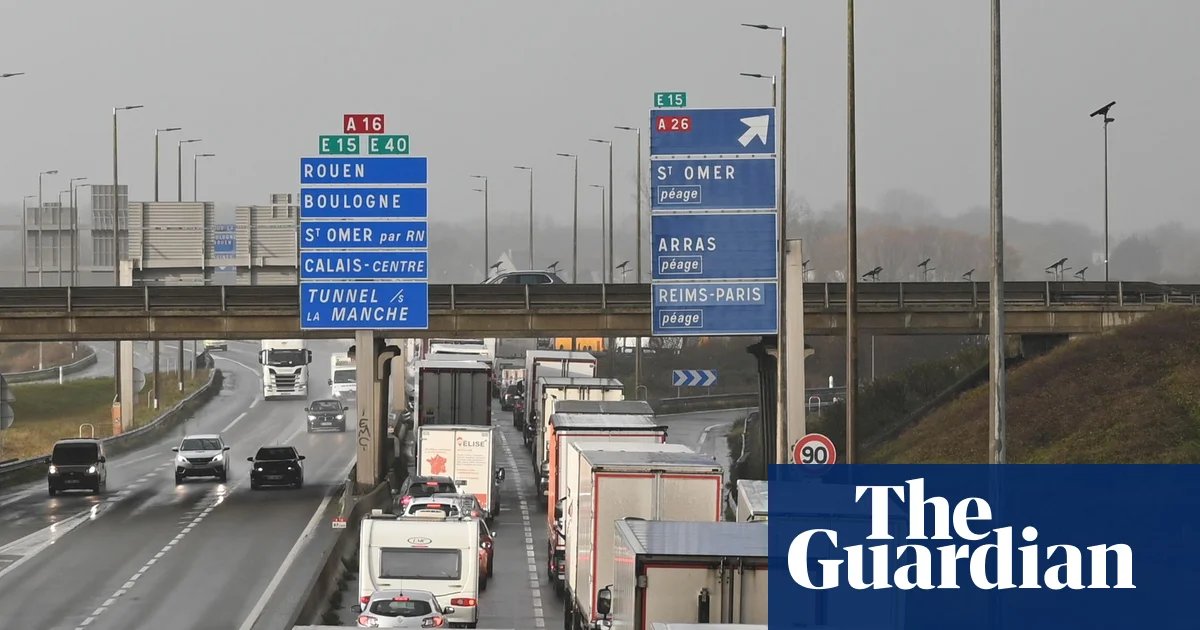
The EU and UK have signalled an end to Brexit “sausage wars” with the first details of a new food exports agreement being published by the British government.
The deal will mean no more paperwork or physical checks on dairy, fish, cheese, eggs and fresh red meat from the summer of 2027 for both British exporters to the EU and EU exporters to the UK.
It will also significantly ease the burden on supermarkets and food producers selling to Northern Ireland from Great Britain under the Windsor framework trading arrangements.
When the rules come into force, exporters of meat – whether fresh, frozen or processed – will no longer require costly veterinary certificates to prove they meet EU standards. Nor will they need similar documentation for plants or wood packaging material. Businesses selling into Northern Ireland will no longer require health labels.
While not all details of the sanitary and phytosanitary (SPS) deal have been finalised, the Department for Environment, Food and Rural Affairs has published guidance to help producers prepare for the changes.
The announcement may also have been designed to demonstrate early progress in the protracted UK-EU reset talks, which have been hampered by disagreements over a youth mobility scheme.
The biosecurity minister, Sue Hayman, said the deal was “great news for British food and drink businesses of all sizes”, including the estimated 16,000 companies that stopped exporting to the EU after Brexit because of excessive bureaucracy.
She added: “By cutting unnecessary delays and paperwork at the border, the agreement will make it easier for businesses to sell our world-class produce to European customers, support jobs and help ease pressure on food prices for families.”
The changes will cover rules including those on food additives and colourings, animal breeding certificates, pesticides, vaccination residues, organic products and farm feeds.
While the UK did not implement the checks fully on the British side of the border on the assumption that EU food was of certifiable standards, the EU has enforced paperwork checks on 100% of imports from Britain and physical checks on 30% of imports.
The agreement is also expected to see checks remain for “rest of world” products coming into the UK, such as fruit from Africa, along with a transition period for some fungicides approved by the UK government since Brexit but not yet approved in the EU.
The government said it expected the deal to “add up to £5.1bn a year to the economy, support British jobs and slash red tape for British farmers, producers and businesses”.
It added that it was “working toward a mid-2027 start date for the new agreement and wants businesses in the agri-food sector to start getting ready now”.
The health certificates, which can cost up to £200 for each consignment, were not required before the UK left the EU in 2020 but had since contributed to paperwork “hell”, according to food producers and transport firms.
Toby Ovens, the managing director of Broughton Transport Solutions, told the business and trade committee in January that his company now needed 26 sheets of paperwork – instead of just one before Brexit – to prove to French authorities in Calais that the beef he was transporting met EU standards.
He said lorries carrying frozen beef could be detained for up to a month if a single document was incorrect.
Describing one episode of “pure hell”, he recalled a British vet chasing a lorry down the motorway towards Eurotunnel to issue replacement certificates after French officials refused to accept forms issued by the UK government confirming the cargo was free of bovine spongiform encephalopathy (mad cow disease).
Ben Fletcher, the chief executive of Logistics UK, which represents the cargo owners such as supermarket distributors, said the agreement was a “common sense solution” to the “significant amounts of time and money” the industry has had to put in to move fresh food across the UK’s borders.
Negotiations over the deal have been under way since the end of last year and are expected to conclude in time for the next EU-UK summit, pencilled in for 13 July.
Lady Hayman said: “We are working hand in hand with food and farming businesses up and down the country to make the most of this opportunity and want every British producer – whether they currently trade with the EU or not – to be ready to seize the benefits this deal will unlock.”