dailynewsnblog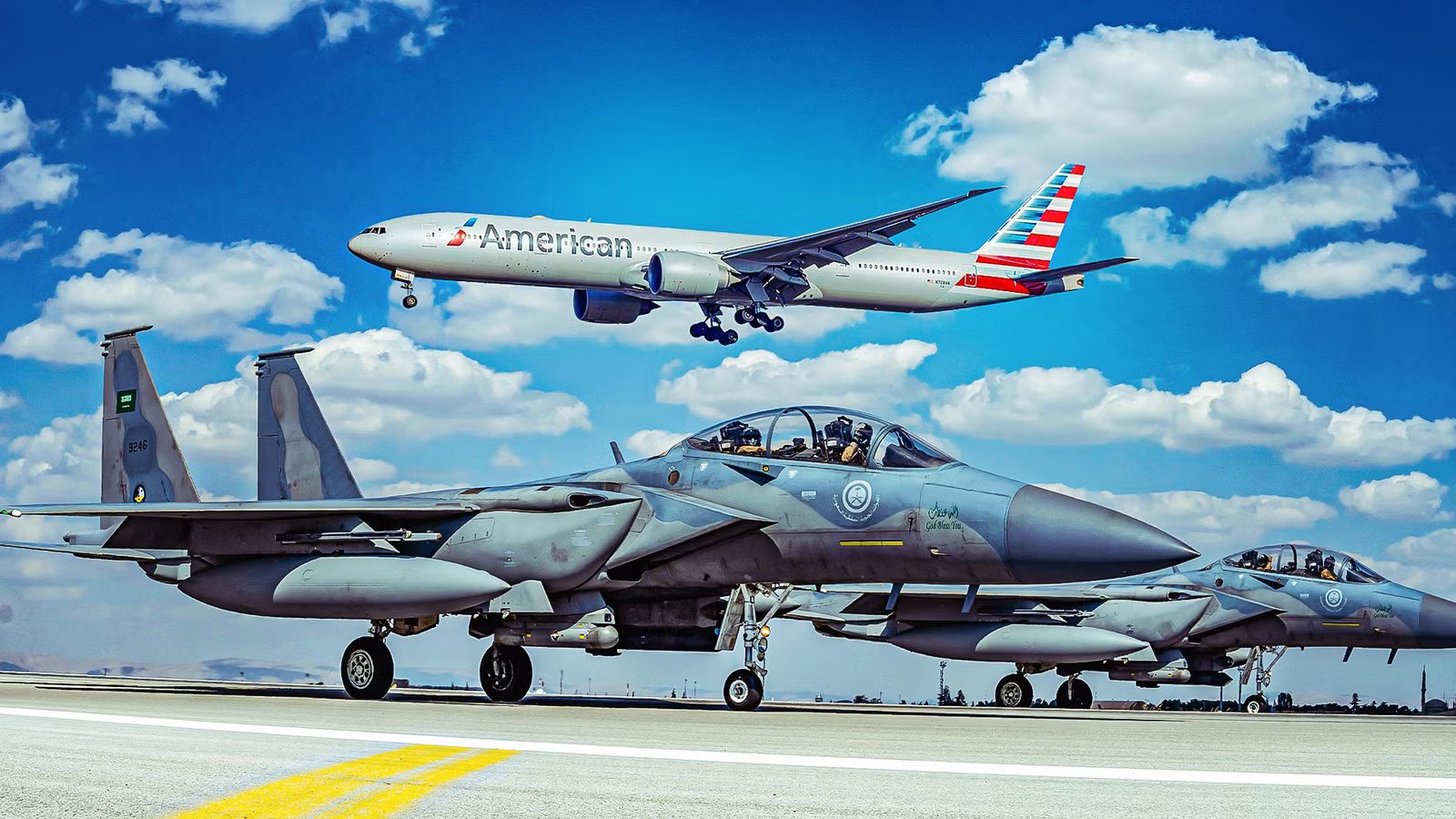
In Europe, the pay gap between fighter pilots and commercial airline captains follows a similar trend to that seen in the US, with military aviators earning substantially lower total salaries. Japan is the same: however, the government is working on improving compensation to attract more pilots as attempts to prevent ‘poaching’ by civil carriers through legal roadblocks have still left staffing underpar. The trend is virtually the same around the world, although the numbers are different.
Commercial Flying Brings In The Big Bucks

While military pay is very competitive, commercial carriers offer significantly higher pay ceilings, especially the big three US legacy carriers: Delta, United, and American Airlines. Airline pay is based on hourly flight rates, with a guaranteed minimum number of hours per month, which is typically 70 hours or more.
Senior captains at major airlines can earn more than $450 per hour. In 2026, top-tier captains flying international widebody routes can break $550,000 annually, including all compensation. Many airlines also offer massive retirement contributions. For example, Delta Air Lines provides a 17-18% direct 401 (k) contribution regardless of whether the pilot contributes themselves.
|
Career Stage |
Military Average Pay |
Major Airline Average Pay |
|---|---|---|
|
New Hire |
$85,000 |
$113,000 |
|
Mid-Career (Six to ten years) |
$137,500 |
$300,000 |
|
Senior (12+ years) |
$175,000 |
$475,000 |
Regional airlines act as the primary feeder system for major carriers. Due to the pilot shortage, some regional airlines have started to offer five-figure sign-on bonuses to bridge the gap until pilots reach major carriers. Depending on experience, bonuses can range from $15,000 to $200,000 or more.
New First Officers at top regionals can make between $90,000 and $120,000 annually. Many regionals are also subsidiaries of major airlines, which provide a guaranteed career path. Pilots can often upgrade to captain in as little as two years, significantly faster than the eight years typical at major airlines.
By The Numbers: The Reward For Military Service

A new Second Lieutenant starts at roughly $4,150 monthly or $49,800 annual salary, while a Captain with 4 years of service earns about $7,380 per month or $88,560 a year. Pilots receive extra monthly pay that increases with experience, starting at $150/month and reaching up to $1,000/month for senior roles. Beyond the paycheck, the military provides several benefits that would cost a civilian thousands of dollars.
The US military provides full medical coverage for free to pilots as well as their families. Adding to the base pay is additional compensation for housing and food, which are also not taxed, meaning take-home pay can be higher by comparison to a civilian gross salary. Housing pays the biggest swing factor as it can range from $1,800 to $3,000+ per month, depending on your location and family status.
Retirement is also an extremely important long-term financial factor. The military retirement fund requires less investment than many private financial options and yields a strong return after a comparatively short period. A military pension can provide 50% or more of base pay after 20 years of service.
Fighter Pilot Ranks: Climbing The Ladder

A schedule of regular promotions combined with benefits and incentives pushes up the pay of American military pilots to be one of the more lucrative careers in the US, although it is not as financially rewarding as a career as a commercial pilot. In 2026, total compensation for fighter pilots ranges from approximately $75,000 for entry-level officers to over $200,000 for senior aviators.
To combat pilot shortages, the military offers massive retention bonuses. Pilots who commit to staying in uniform can earn up to $600,000 more over 12 years, which is as much as $50,000 in extra pay per year. Despite the competitive pay and benefits, like pensions and free healthcare, commercial airlines still offer vastly superior earning potential, with senior widebody captains earning more than double what even the top-most military officers make.
|
Pay Grade |
US Air Force/Marines |
US Navy |
Average Annual Salary |
|---|---|---|---|
|
O-1 |
Second Lieutenant |
Ensign |
$56,220 |
|
O-2 |
First Lieutenant |
Lieutenant Junior Grade |
$68,400 |
|
O-3 |
Captain |
Lieutenant |
$87,000 |
|
O-4 |
Major |
Lieutenant Commander |
$101,400 |
|
O-5 |
Lieutenant Colonel |
Commander |
$121,200 |
|
O-6 |
Colonel |
Captain |
$144,600 |
A brand new, shiny Second Lieutenant receives a base pay of around $49,800, but with benefits, the total compensation can be up to $90,000. Senior officers earn base pay of $100,000 or more, and some can earn total compensation that exceeds $200,000 or $300,000 a year. Even so, airlines can beat the military in the pay department, and retention has suffered.
How Much Does Pilot Training Cost Before A US Airline First Officer Reaches The Flight Deck?
A closer look at the roadmap to the cockpit.
The Incentive For Loyalty: Airline Captain Perks

Commercial airlines can offer two to three times higher salaries than the US military. This is already enough incentive for many pilots to opt out and leave the service. Compounding the massive financial gap is the disparity in work-life balance. At an airline, pilots leave work in the cockpit every day when they finish flying. In the military, the high operational stress of both flying and non-flying duties is a well-known constant pressure of life in the military.
Mid-career fighter pilots can earn around $120,000 compared to airline captains earning about $250,000 or as much as $350,000. Senior airline captains, especially those flying the biggest widebodies, can earn over $550,000 annually. On top of that are perks like Delta Air Lines’ 17% to 18% direct 401 (k) contribution and a range of other incentives.
A severe shortage in the civilian sector has led major airlines like Delta Air Lines, United Airlines, and American Airlines to aggressively recruit. Military pilots often meet the FAA’s 1,500-hour requirement for an Airline Transport Pilot certificate immediately upon separation, making them ‘plug-and-play’ hires. This has led airlines to offer record-high pay and accelerated career paths.
A Look At The Salaries Of US Navy Fighter Jet Pilots In 2026
What it pays to strap into a Navy strike fighter.
How The European Market Compares

Fighter jet pilot salaries in Europe vary significantly by country, rank, and years of experience. Military pay is structured around standardized officer pay scales, which come with stability and comprehensive benefits such as non-contributory pensions and housing allowances. Military fighter pilots generally earn less than senior long-haul commercial captains, who in 2026 can earn between €160,000 and €285,000 at major European legacy carriers like  Lufthansa or Air France, as Airmappr reports.
Some of the highest pay can be found in France, where a senior captain can earn as much as €350,000. Meanwhile, pilots in Germany also boast very lucrative senior commercial roles with pay reported as high as €280,000. The following are estimated average annual gross salaries for Air Force pilots in select European nations based on recent compensation data:
|
Air Force |
Average Fighter Pilot Pay |
|---|---|
|
Switzerland |
€190,000 |
|
Germany |
€122,000 |
|
United Kingdom |
€107,000 |
|
France |
€100,000 |
|
Italy |
€92,000 |
|
Spain |
€88,500 |
|
Turkey |
€26,000 |
In the United Kingdom, first officers can earn as little as £40,000 when they first start, but their earnings climb up to ceilings reported around £220,000. Looking at Eastern and Southern Europe, there is a disparity in compensation similar to the difference in fighter pilot pay. At the same time, captains can still earn up to €145,000 to €180,000 flying for a long list of airlines, including low-cost carriers like Ryanair, which is based in Ireland but has large bases around Europe.
Why NATO Countries Are Racing to Replace Their Ageing Fighter Fleets
The alliance’s rearmament for the future of air warfare.
Japan’s Urgently High Demand For Pilots

At the heart of Japan’s air-power equation are roughly 2,000 pilots who are qualified to fly for the Japan Air Self-Defense Force. An entry-level pilot in Japan can expect a starting package of roughly $58,000 to $70,000 annually. This baseline includes regional cost-of-living adjustments and initial flight allowances. Under the traditional civil service structure, a pilot’s pay progresses slowly based on years of service and rank, typically plateauing between $82,000 and $96,000 for mid-career and senior officers.
Unlike in Europe or the US, where military fighter pilots easily transition to commercial cockpits after their service contracts expire, the pipeline in Japan is highly restricted. Because this rigid structure has consistently fueled high resignations to domestic commercial carriers, the Japanese government has initiated a comprehensive overhaul of the SDF pay scale. The government has also restricted the means of ‘poaching’ fighter pilots, yet many still leave.
This is a challenging hurdle as commercial pilots at major Japanese legacy carriers are among the highest-paid corporate professionals in the country. Senior captains at these airlines frequently rank among the top wage earners in the nation, averaging ¥25 million to ¥35 million annually. This high pay is fiercely protected by strong pilot unions and complex Japanese labor laws, creating a massive financial gap compared to the military sector.
The industry does, however, have one of the lowest percentages of female pilots in the world, according to Asahi. As well as unorthodox requirements for new cadets like working as baggage handlers, akin to the old school ‘boys club’ that was once pervasive in the US and Europe.

Neutrality To Combat Readiness: Ireland’s €1.5 Billion Defense Push Signals New Chapter In European Air Power
The Air Corps is headed for a landmark moment.
China’s Pay Disparity

The People’s Liberation Army Air Force likely has around 4,000 active-duty pilots, who form the core of a service that is expanding rapidly. Young cadets begin at the Air Force Aviation University in Changchun before moving to operational conversion units. Naval aviation is catching up, while the air force has suffered a high pilot death toll over the last six decades, with over 2,000 pilots killed, according to the Eurasian Times.
An entry-level or junior pilot earns an estimated base salary of $54,000 to $65,000 annually. That changes when you look at naval aviation. There, Beijing provides massive stipends, incentives, and bonuses. For highly experienced carrier-qualified pilots, operational bonus packages completely eclipse their official base pay, driving their total annual compensation up to $300,000 as a kind of ‘hazard’ bonus.
Naval aviators in China have the only competitive salary compared to airline captains, as the commercial carriers pay several times more than the average military salary. Similar to the US, China faces a significant shortage of skilled pilots, which is also a major contributing factor to the high salaries. An experienced widebody captain can easily make $160,000, while major state carriers like China Southern or Hainan Airlines even attempt to entice foreign captains with tax-free expat packages exceeding $300,000.