dailynewsnblog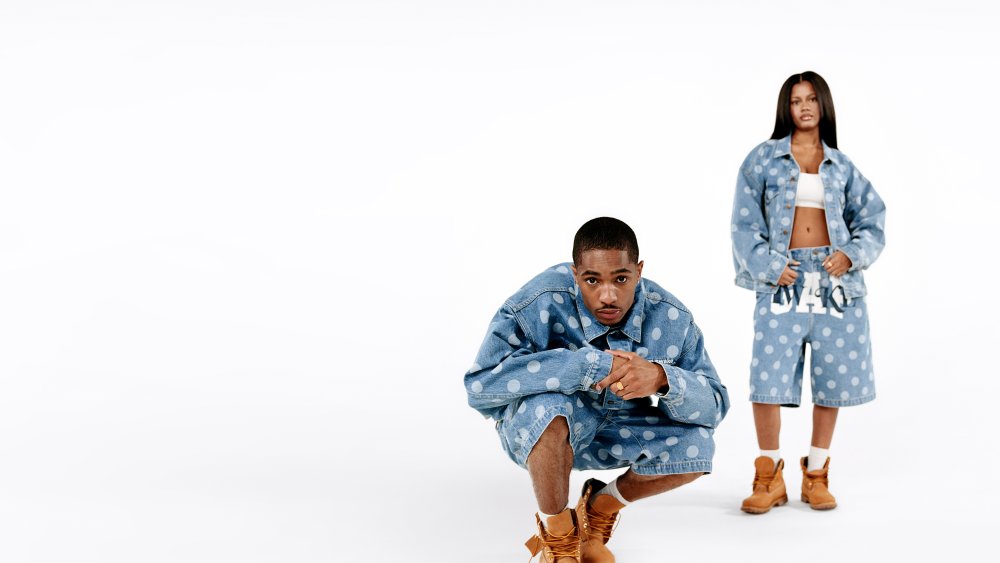
The Gap Inc. juggernaut continues on a roll.
On Thursday, Gap Inc. reported further sales gains at its three biggest brands — Old Navy, Gap and Banana Republic — along with a healthy profit increase.
Operating income was $445 million, up from $260 million in the year-ago period, with the operating margin last quarter at 12.7 percent. Net income was $339 million, up from $193 million in the year-ago period.
Adjusted operating income was $182 million and adjusted operating margin was 5.2 percent, excluding the net impact of non-recurring items.
Net sales of $3.5 billion were up 1 percent; comparable sales rose 2 percent.
Merchandise margin decreased 100 basis points versus last year, inclusive of an estimated net tariff impact of approximately 200 basis points. The underlying merchandise margin expansion was primarily driven by strength at the Gap brand and improved inventory management. Average unit retail price increased across all brands. Gross margin of 40.5 percent decreased 130 basis points versus last year, exceeding the outlook.
“We delivered progress. We did so across several key metrics in the quarter,” Gap Inc.’s president and chief executive officer Richard Dickson told WWD. “This was our ninth consecutive quarter of positive comp sales. Three out of the four brands are growing. Comps were up 2 percent. That’s building on 2 percent comp growth last year. We outperformed our gross margin outlook by 30 basis points. And importantly, we won across all income cohorts. So the value proposition of our products continued to resonate. And then we also returned $450 million in cash to our shareholders through dividends and share repurchases.”
Asked about business in the second quarter so far, Dickson responded, “Generally speaking, the business continues to trend as expected.” Despite rising food and fuel costs and consumer confidence hitting all-time lows, “We haven’t seen any change in consumer behavior, which is good news,” Dickson said. “We’re seeing consistency and strength in that behavior. We have some sustained AUR (average unit retail price) growth and market share gains as our product continues to resonate.”

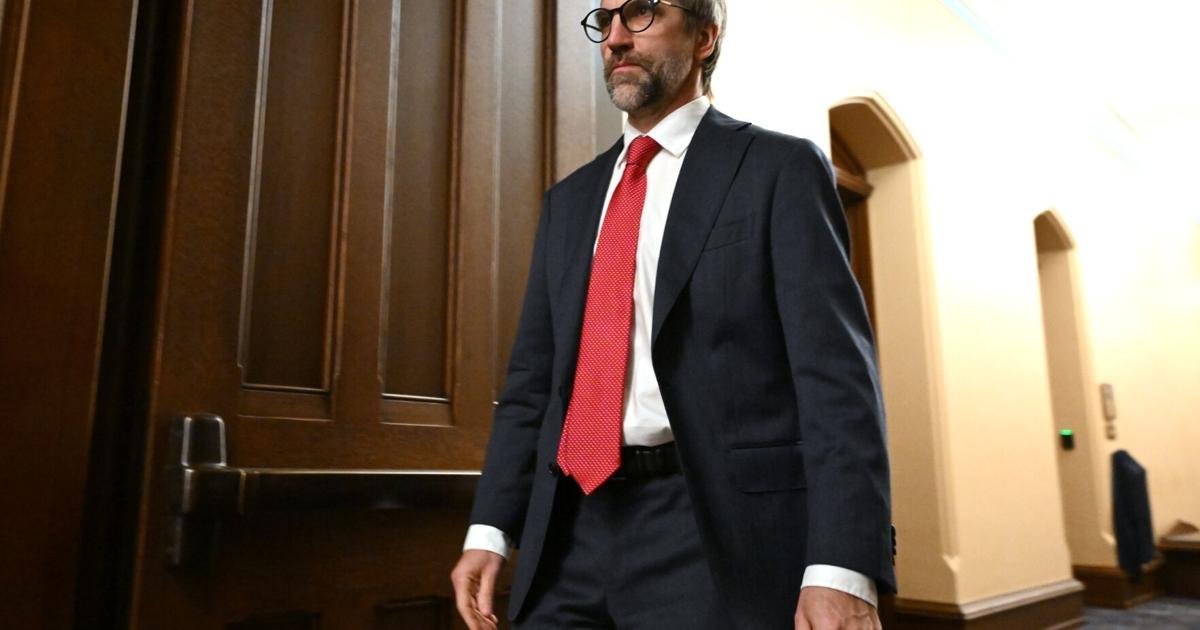
Richard Dickson
Carolyn Fong, courtesy image
The company did lower its forecast for sales for the year to a 1 to 2 percent increase from previously projecting a 2 to 3 percent increase. Executives said the change was mostly due to softness in sales of certain categories at Old Navy, specifically seasonal product and dresses.
On the other hand, the company raised its forecast for 2026 earnings to $2.30 to $2.40 per diluted share, from the previous forecast of $2.20 to $2.35.
The revised forecast and selling situation at Old Navy may have spooked investors who drove Gap’s stock price down 13 percent in after-hours trading to $21.50.
In a breakdown of results by brand, Gap generated first-quarter sales of $796 million, up 10 percent on top of a 5 percent gain in last year’s quarter. “Gap is a great story and it’s not just one thing. It’s really consistency across the board. This was our tenth consecutive quarter of positive comps,” Dickson said, citing “consistency across women’s, progress in men’s, and improving trends in kids’ and baby.” Denim and fleece were standouts, and collaborations “particularly on the cultural front, especially with Gen Z, have driven a lot of excitement, but we do so while maintaining this broad multigenerational appeal. You’re going to see more exciting collaborations and exciting times ahead for Gap Brand. It’s truly back on the forefront of the cultural conversation as an iconic American brand.”

A look from Gap.
OLIVIA MALONE
Old Navy generated first-quarter sales of $2 billion, up 1 percent compared to last year on a total and comparable basis. The response to denim, active, and kids’ and baby was positive, but Old Navy’s dress category in the first quarter “has been much slower than we would’ve anticipated. We’ve got strength offsetting that but not quite as robust as we would like,” Dickson said, citing active, denim, kids’ and baby as top-performing areas.
Old Navy, according to sources, is expected to launch a new format, Old Navy Sport, capitalizing on activewear. “We haven’t really talked a lot about that on purpose,” Dickson said. “We’ll share more in the quarters to come, but when you look at the activewear category, it makes up about a third of the apparel market. So it’s an incredibly important category. It’s also grown faster than the rest of the market versus last year. And Old Navy is the number-five brand in the active category. We know we’ve got a very big opportunity to be the leading family value performance brand in the category. And so over the last year, we’ve been strategically pursuing the space, expanding our assortment, driving more innovation and style. In fact, this is our seventh consecutive quarter of growth in Old Navy Active.”
Banana Republic reported first-quarter sales of $431 million, up 1 percent compared to last year; comparable sales rose 2 percent. “Banana continues to strengthen its position,” Dickson said. “This is our fourth consecutive quarter of positive comps. It reflects a more balanced business. We see strength in key categories like pants and sweaters. We continue to make great progress in our women’s business. Men’s remains a point of strength for us. Last quarter, you saw some great collaborations (including) with The Explorers Club, which reinforced that origin story of Banana Republic as a true, modern explorer brand.” Donald Kohler was named CEO of Banana Republic earlier this month. The position had been vacant for about two years.
Athleta experienced another difficult quarter, with fist-quarter sales down 12 percent to $270 million. Comparable sales were down 11 percent. “It was a bit of a challenging quarter as we clear legacy product and continue to build that brand,” Dickson said. Athleta is planning to launch a reimagined assortment in the second half of the year.
“We have a great leader at Athleta (Maggie Gauger) who’s taken a lot of time to unpack the brand. Since joining, she’s done incredible work. She’s streamlined the assortment considerably, which is also resulting in better AUR and margins, even though we have a continued challenging top line. She’s also been repositioning talent. We’ve been filling key roles in the organization. If you look at our website, you see we’re delivering a much better creative execution. And while it’s early reads, we do see some good traction on new fashion, albeit small.”
Regarding Gap Inc.’s multiyear transformation overall, Dickson said, “We feel like we’ve done a lot of really good work resetting our brands, executing against our playbook, closing unprofitable doors, driving a more disciplined approach with financial and operational rigor, and that has led to overall (improved) portfolio performance, better growth on our top line, expanded margin, and of course cash on the balance sheet.”
He said Gap is in a second phase of transformation. “We define this chapter as building momentum and continuous improvement in our core apparel business. So it’s driven by discipline execution, better product, better marketing, better storytelling. You’re not always going to get it all right, but in the context of the strength that we see across our business, we’re feeling very good about where we are.”
He said the San Francisco-based retailer has been investing in “accelerators” such as beauty, accessories and “fashion-tainment.” “So when you combine the continuous improvement of our core business — let’s say that’s delivering low- to midsingle-digit results — with those accelerators, we could really begin to scale in 2027 and beyond.”
Asked how the nascent beauty strategy is progressing, Dickson said, “First off, it’s one of the fastest-growing, most resilient retail categories in the United States. When you look at other fashion and apparel brands with a beauty offering, we know the category can represent anywhere from 5 percent to as high as 20 percent of their sales. With a really purposeful approach to our assortment, a balance of third-party national brands with our own branded business, we believe it could be a really meaningful contributor over time and you’ll see that roll out. The rest of the fleet for Old Navy will have beauty and we’re going to be relaunching Gap fragrance as well in the fall.” Old Navy has been piloting a beauty assortment at 150 stores. Old Navy is rolling out a mix of third-party product, national brands, and its own beauty offerings. Gap is expanding its fragrance line to include those classics like Dream, Grass and Heaven. “These were really once very highly coveted fragrances with strong loyalty,” Dickson said.
Asked how Old Navy beauty is performing, Dickson said, “We’re pleased with our progress.”
In other statistics, Gap Inc.’s store sales increased 3 percent. The company ended the quarter with nearly 3,500 store locations in about 35 countries, of which 2,477 were company-operated. Online sales decreased 2 percent compared to last year and represented 38 percent of total sales.
In his prepared statement Thursday, Dickson said, “In the first quarter, Gap Inc. delivered continued progress against our strategic priorities, including further market share gains and achieving our ninth consecutive quarter of positive comparable sales. Gap brand delivered a standout quarter with a double-digit comp, marking one of the brand’s strongest performances in over two decades. Performance across our other brands was varied, reflecting both the different stages of their transformation and some brand-specific dynamics.”
Dickson continued, “As we move forward, we remain focused on continuous improvement in our core business, while seeding growth accelerators to help amplify the reach and relevance of our portfolio over time. At the same time, we are increasing capital returns to shareholders, reflecting the growing strength of our balance sheet and our strong conviction in the long-term potential of the company.”