dailynewsnblog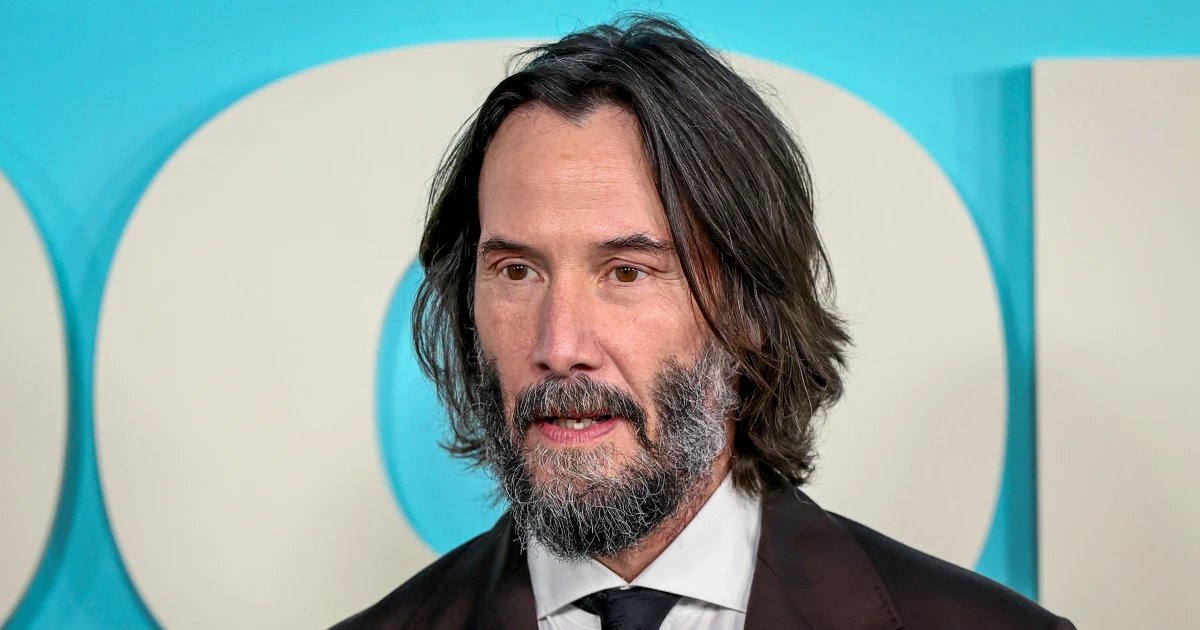
Keanu Reeves urged leniency this week for longtime friend and colleague Carl Rinsch, who is facing the possibility of several years in prison after being found guilty of scamming $11 million from Netflix.
Subscribe to read this story ad-free
Get unlimited access to ad-free articles and exclusive content.

Rinsch, 48, was convicted in December on federal charges of money laundering, illegal transactions and wire fraud.
Prosecutors said the director took the Netflix money for a project that never materialized, then spent it on a Ferrari, multiple Rolls-Royces, $652,000 on watches and clothing, $638,000 on mattresses, and $295,000 on luxury bedding and linens, according to the Associated Press.
In December, prosecutors said the streaming giant paid Rinsch $44 million to complete the sci-fi series “White Horse,” later giving him an additional $11 million after Rinsch claimed he needed the funds to finish production.
In addition to the luxury purchases, prosecutors said Rinsch moved the money into cryptocurrency and personal accounts. The show was never completed.
Rinsch directed Reeves in the 2011 film “47 Ronin” and the two have remained in touch since then, the “Matrix” and “John Wick” star wrote in a letter filed Tuesday to U.S. District Judge Jed Rakoff of the Southern District of New York.
Reeves wrote in the letter that he became friends with Rinsch and even attended the director’s wedding in Uruguay in 2014.
During one of his frequent visits with Rinsch, Reeves said in the letter he was shown a project the director was developing called “White Horse.” Reeves called it “a superb and visionary work of art, although unfinished.”
Reeves then urged the judge consider leniency.
“In my opinion, Carl can self-sabotage by amplifying the scale, scope, and landscape of what had been negotiated, accordingly placing himself and his counterparties at odds,” Reeves wrote. “I do not intend to share this as a diminishment of what he has been found to have done, but offer this solely as perhaps an insight into why.”
Reeves continued, saying he has “seen Carl bring exceptional joy and warmth to the people around him” and has seen him included in “wonderful artistic environments where exceptional work was done.”
“I hope you are able to find leniency for this man. To the extent you deem appropriate, I believe such leniency would be a healing act to go along with the punishment he will live with.”
Rinsch faces up to 121 months in prison, or just over 10 years, according to sentencing guidelines his attorneys cited in court documents.
In addition to the $11 million he is expected to pay in restitution to Netflix, the company is also seeking $4.4 million in attorneys’ fees.
Rinsch is scheduled to be sentenced on June 29.