dailynewsnblog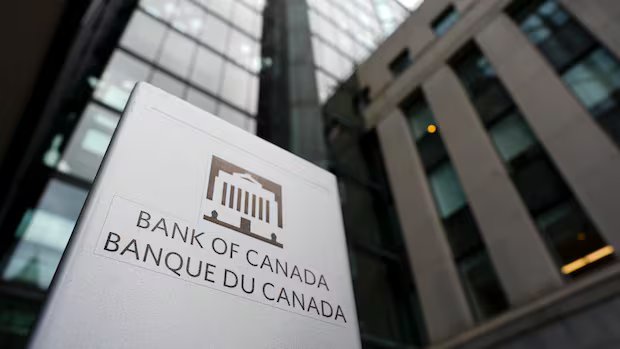

Listen to this article
Estimated 3 minutes
The audio version of this article is generated by AI-based technology. Mispronunciations can occur. We are working with our partners to continually review and improve the results.
The Canadian financial system is faring well but vulnerabilities are growing amid a highly volatile economic and geopolitical environment, the Bank of Canada said on Thursday.
“Our overall view is that the Canadian financial system remains well positioned to weather shocks,” Senior Deputy Governor Carolyn Rogers said after releasing the central bank’s Financial Stability Report.
“However, vulnerabilities have increased in some parts of the system.”
Governor Tiff Macklem, who normally presents the report, was away dealing with an urgent personal matter.
Issued once a year, the report takes stock of the current financial market and highlights the risks and vulnerabilities that could compromise economic resilience.
The economy has spent more than a year dealing with a raft of tariffs from U.S. President Donald Trump, upending the job market and production in crucial sectors and hurting economic growth.

U.S. Ambassador Pete Hoekstra said the president has imposed tariffs on the whole world and Canada shouldn’t expect to be an exception. The comments come as renewed discussion of Canada’s Online Streaming Act adds to ongoing cross-border tension.
High stock market valuations, higher corporate debt and higher amounts of money borrowed by hedge funds to buy sovereign debt are some vulnerabilities, Rogers said. These risks can be managed individually but an increasingly volatile economic and geopolitical environment could cause problems.
“This has made it more likely that a new shock or a combination of shocks could cause several vulnerabilities to crystallize at once,” Rogers said.
“A cascading series of events could cause a sharp loss of investor confidence and lead to a spike in demand for liquidity or rapid asset sales.”
The impending review of the North American free trade deal and the oil shock from the Iran war are risks that could hit the economy hard.
In last year’s report, Macklem had highlighted the risks of a prolonged trade war with the U.S. which could potentially curtail the ability of households and businesses to pay debt.
“So far, the impacts have been less widespread than we feared,” said Rogers.
Deputy Governor Toni Gravelle said while Canadian households carried higher debt, the share of borrowers behind on debt payments had stabilized.

The central bank expects the wave of people renewing mortgages at a higher rate, a key risk observed last year, to fully pass by the second half of 2027, he said, adding the financial health of businesses was broadly stable.
During a press conference following the release, Rogers noted that Canadians might still be feeling stressed even though actual economic data at the household level showed positive signs in this report.
“Canadians have gone through a lot of economic and financial stress over the last years. The headlines feel precarious. Things feel uneasy,” Rogers said. “So even households that are coping well and able to make their debt payments…. I’m sure there’s still a level of stress there.”
Big Canadian banks, which account for the bulk of the domestic banking system, have reported higher profitability and capital buffers, reflecting robust financial health.