dailynewsnblog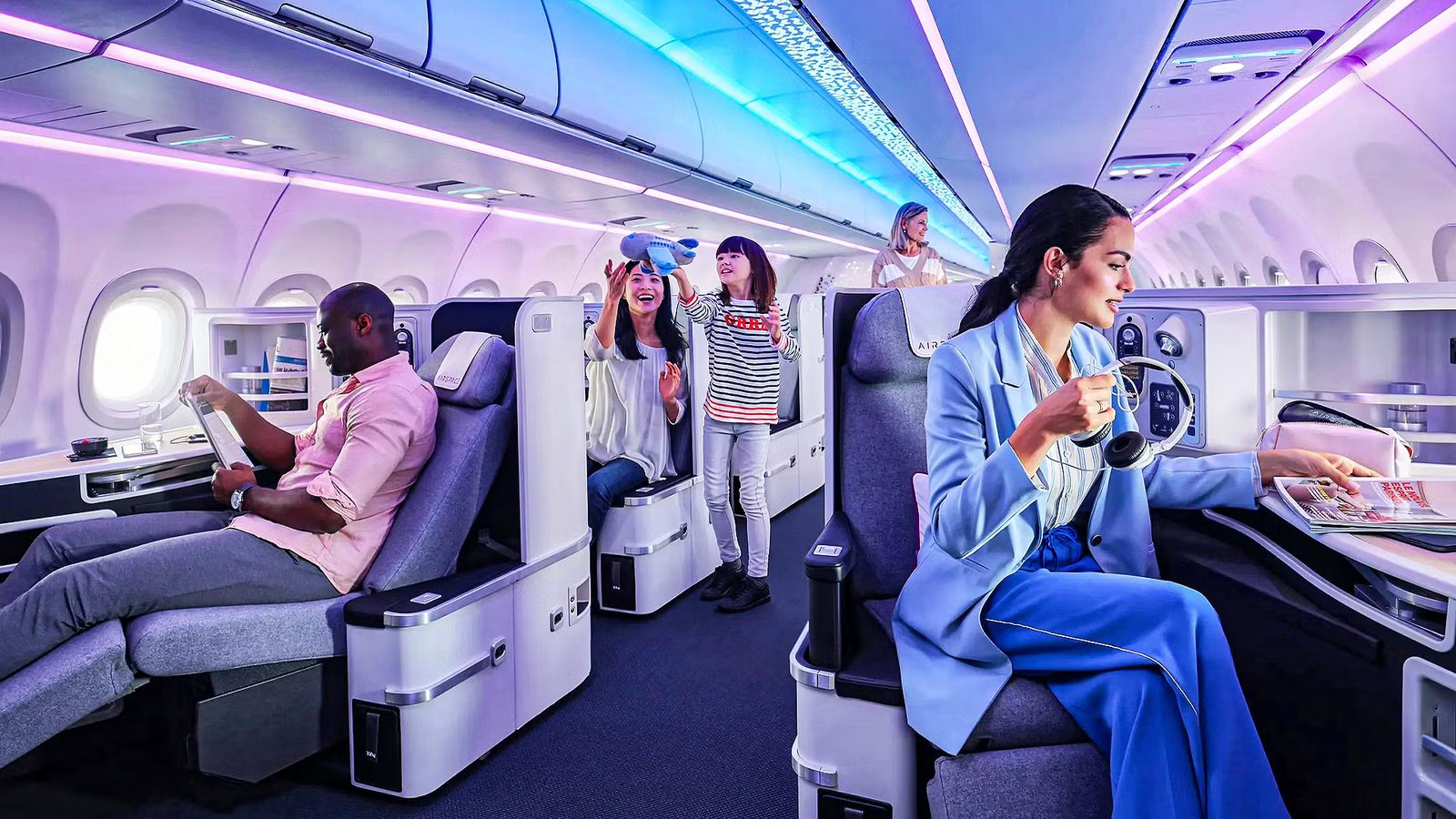
The sight of a single-aisle narrowbody aircraft pushing back from an international gate for a transatlantic flight was once a clear sign of passenger compromise. Choosing a smaller airframe meant sacrificing the spacious cabins, premium lounges, and flat beds that defined long-haul corporate travel, forcing travelers to endure hours in a standard reclining chair. However, the world’s leading carriers are aggressively retrofitting their single-aisle fleets with high-end, lie-flat suites.
Airlines are not racing to install these premium beds because they want to improve the flight experience for the average traveler, but because the hardware functions as a critical revenue multiplier. Next-generation, long-range narrowbodies have totally rewritten the rules of network planning, but their lower passenger capacity presents a unique financial puzzle. To make a smaller jet profitable on an oceanic crossing, for example, carriers cannot rely on low-yield economy fares alone. The lie-flat seat is the literal economic mechanism that unlocks the high-margin corporate travel market, making a modest single-aisle jet become a hyper-profitable flagship platform.
The Economic Realities Of The Cabin

The traditional model of long-haul aviation relied on the massive size of widebody aircraft to dilute the fixed operating costs of a flight across hundreds of seats. In a narrowbody cabin, that size is severely restricted, forcing network planners to maximize the financial yield of every square inch of floor space far more carefully. Generally speaking, a business class passenger paying between $3,000 and $6,000 for a premium transatlantic ticket on a specialized narrowbody generates more net revenue than an entire rear cabin of economy passengers filling 180 seats at $400 each.
Dedicating the forward section of a single-aisle aircraft to a high-yield premium product, airlines completely tilt the revenue equation in their favor. Premium cabins consistently generate a disproportionate share of an airline’s total passenger revenue on highly competitive corridors, something that must be considered when planning the cabin layout of a new aircraft. The installation of a flat bed allows a network carrier to charge identical fares to their widebody flights, meaning a smaller aircraft can generate exceptional profitability per departure while costing significantly less per hour to operate than a twin-aisle alternative.
Without the ability to capture these high-spending corporate travelers, operating single-aisle aircraft on extended international routes would be a financial impossibility. The presence of the lie-flat bed is what justifies the entire route concept, allowing the airline to extract maximum financial density from a limited cabin footprint.
Long-Thin Revolution

The introduction of these premium narrowbody fleets has triggered the long-thin route revolution. Routes linking secondary cities often generated too few daily passengers to fill a 250+ seater Boeing 787 or Airbus A330 profitably, forcing travelers to connect through congested mega-hubs. Next-generation aircraft like the Airbus A321XLR are designed to thrive specifically on routes that generate 180 or more daily passengers, where a half-empty widebody would bleed capital, but a full narrowbody operates at peak efficiency.
The integration of premium beds allows carriers to open entirely new, non-stop city pairs that never existed on global flight schedules before, including corridors like New York (JFK) to Edinburgh, Montreal to Palma de Mallorca, and Toronto to Copenhagen. To make these long-thin routes viable at a premium price point, the onboard product must match the expectations of corporate travelers who refuse to sit in a standard regional seat. Providing an uncompromised business class experience, airlines can successfully charge a premium for the convenience of a direct flight, permanently keeping traffic away from traditional connecting hubs.
|
Operational Metric |
Legacy Twin-Aisle Widebody |
Next-Gen Premium Narrowbody |
Strategic Advantage |
|
Daily Passenger Threshold |
200–300 required |
180+ required |
Viable in secondary markets |
|
Hourly Operating Cost |
High (Massive fuel/crew overhead) |
Low (Single-aisle mechanics) |
Reduced financial risk per leg |
|
Premium Cabin Density |
30–50 high-yield suites |
12–16 high-yield suites |
Focused, high-margin occupancy |
|
Route Capability |
Hub-to-hub trunk lines |
Point-to-point long-thin legs |
Bypasses traditional airport congestion |
With this shifting network dynamic comes a permanent change in how global carriers distribute their assets. As per analyst firm McKinsey, airlines can enter seasonal or niche markets with minimal financial risk by scaling down the vehicle size while keeping the premium product intact. The narrowbody flat bed is the tool that makes this network agility possible, solidifying the ability for secondary cities to enjoy direct global connectivity without forcing the operating carrier to swallow the massive overhead of a widebody deployment.
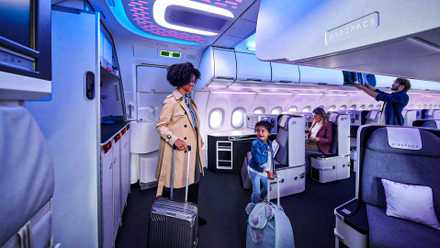
1 Aircraft, 3 Strategies: How The Airbus A321XLR Is Configured Differently Across 3 Continents
1 highly capable aircraft, 3 different strategies; the Airbus A321XLR is offering new capabilities for airlines globally, ushering in a new era.
A New Heir To The Throne

There has been a sudden acceleration of the narrowbody premium race, which is also a direct consequence of a massive fleet replacement cycle. The Boeing 757-200 was long the go-to choice of transatlantic narrowbody flying, but its aging airframe and legacy engines have become increasingly difficult to justify on a modern corporate balance sheet. The new Airbus A321XLR offers an approximate 30% reduction in fuel burn per seat compared to the legacy  Boeing jets it is designed to replace, a serious jump up in efficiency that will have many carriers on high alert.
When a carrier couples lower fuel burn and reduced maintenance costs with a premium cabin that commands top-tier business class fares, the margin per available seat mile (ASM) outpaces a widebody on identical sectors. The lie-flat cabin is not an added cost burden and is instead the specific mechanism that allows the airline to fully exploit the 30% efficiency advantage of the new airframe by attracting the world’s most profitable travelers.
The financial reality of the 2026 market demands that every airframe work harder to mitigate volatile operating costs. The way forward is to replace old, thirsty twins with modern single-aisle platforms fitted with top-tier suites, allowing airlines to achieve a level of operational flexibility that was previously unimaginable. It helps to preserve their premium brand identity while also shielding against fuel price shocks, changing the narrowbody from a low-cost carrier tool into a core flagship asset.
New Transoceanic Standard?

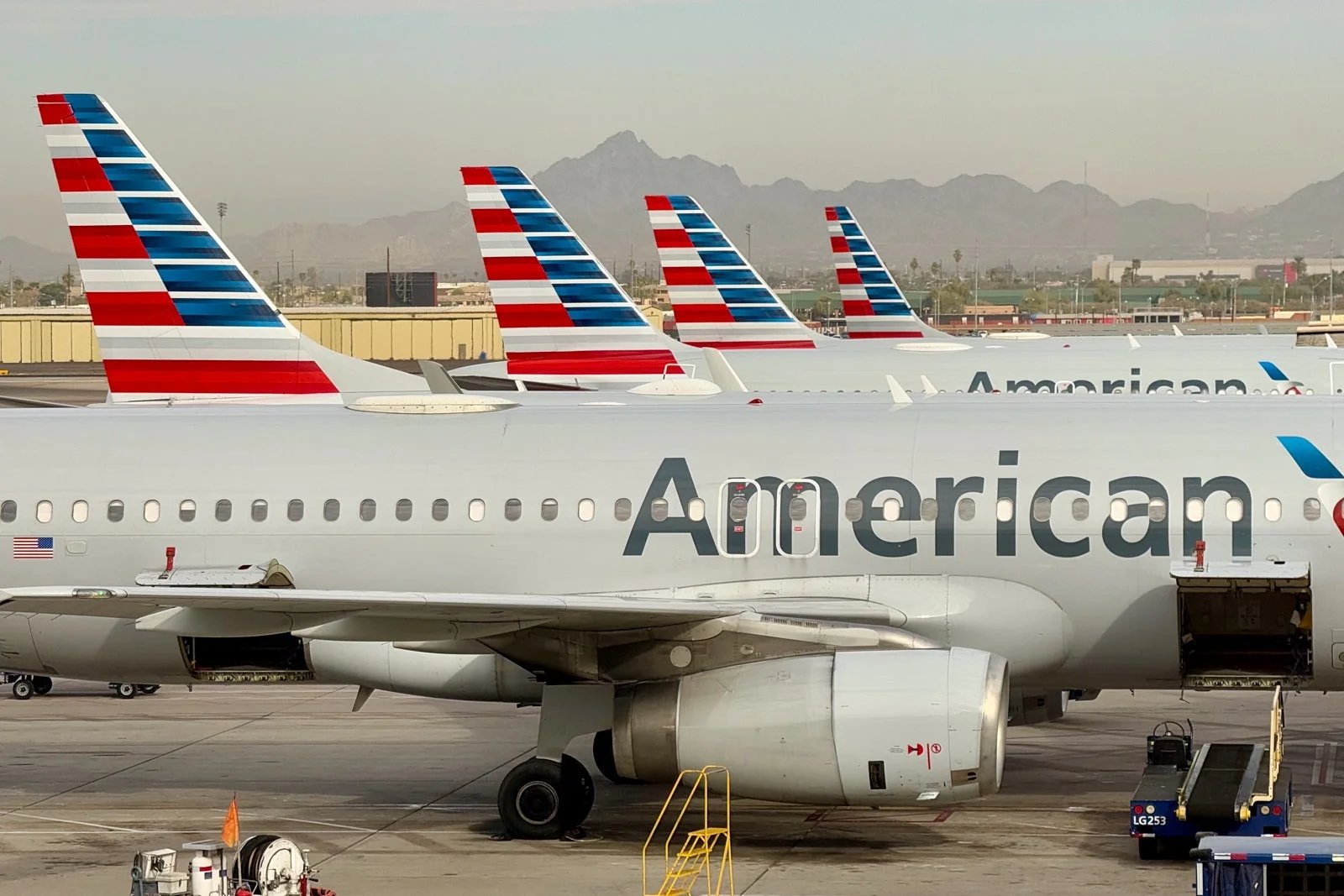
The current rush to install flat beds into single-aisle airframes began as a regional battle for market share before spilling over into global oceans. On high-revenue US transcontinental routes linking New York to Los Angeles and San Francisco, JetBlue shook the industry by introducing its premium Mint product on its narrowbody fleet, explicitly targeting the lucrative corporate traffic that had been monopolized by legacy carriers. With just this single product change,  American Airlines,
  Delta Air Lines, and
  United Airlines had to respond, turning the narrowbody cabin into an intense engineering race.
What began as a domestic defensive strategy has now expanded into the transatlantic theater, where the Airbus A321LR and A321XLR are being utilized to bypass congested hubs entirely. Passengers who travel frequently on these core business routes have grown to expect a consistent product experience, showing a clear reluctance to accept an inferior cabin simply because the flight is operated by a single-aisle jet. The competitive pressure has become self-reinforcing in a sense, as once a single airline introduces a flat bed with a closing door on a narrowbody route, every competitor on that corridor is forced to match the product or abandon the premium traffic entirely.
For legacy network carriers, fitting premium suites into their single-aisle fleets has become a vital tool for customer retention in the face of heightened competition. The race to have the best cabin ensures that corporate accounts remain tied to the airline’s ecosystem, regardless of the physical size of the aircraft scheduled for the route.
Why Some Airlines Are Switching From Widebodies To Narrowbodies On Long-Haul Routes
Single-aisle jets going the distance.
A Global Rush

The logic driving this transformation is not just limited to transatlantic corridors and has evolved into a global standard that shapes airline strategies across Europe, the Middle East, and Asia. The universal nature of this trend was summarized clearly by the leadership of Malaysia Airlines regarding their incoming Boeing 737 MAX 10 premium strategy. The carrier plans to introduce lie-flat business class seats on select regional routes to unlock new destinations, increase flight frequencies in high-demand markets, and strengthen its premium brand proposition.
The combination of premium yield and lower unit costs is a universal formula that no modern airline executive can choose to ignore anymore. Whether a flight is connecting Kuala Lumpur to Tokyo or London to Dubai, the requirement to scale down capacity without compromising on the flagship passenger experience is an absolute necessity for protecting market share. The narrowbody flat bed serves as a powerful competitive signal, telling corporate clients that their loyalty will be rewarded with a consistent product, regardless of the destination’s size.
As regional networks become more complex, the ability to deploy an aircraft that offers both extreme efficiency and a top-tier premium product provides an immense competitive advantage. Airlines can alter their schedules with incredible speed, shifting a premium narrowbody from a mature corporate route to an emerging destination based on real-time booking trends.
A Universal Experience

The ultimate endgame of the single-aisle premium revolution is the achievement of total fleet harmony, where the passenger experience becomes completely detached from the specific type of aircraft operating the flight. In the modern aviation market, travelers love to scrutinize seat maps, cabin reviews, and pitch dimensions before completing a booking. If an airline presents a fractured product lineup, offering flat beds on one flight and traditional recliners on the next leg, it risks damaging its brand reliability and alienating high-value frequent flyers.
As next-generation fleets like  Air Canada’s upcoming Airbus A321XLR configurations enter service, the focus is squarely on matching the exact comfort, privacy, and technology metrics found on their largest Boeing 777 or Airbus A350 flagships. This means integrating features like large 4K entertainment screens, wireless charging ports, direct aisle access, and full-height privacy partitions into a much narrower cabin. Stepping onto a single-aisle jet should feel completely indistinguishable from boarding a double-aisle widebody.
The race to fit flat beds into narrowbody jets is a definitive acknowledgment that the traditional hierarchy of aircraft design is dead. The modern airline industry no longer views the single-aisle airframe as a secondary tool reserved exclusively for short domestic hops, but as a high-precision instrument capable of restructuring global networks. Airlines are securing their financial stability and setting a new baseline for what international air travel will look like for decades to come.

![Only 66% Full: Emirates’ 10 Emptiest US Routes Revealed [Full List]](https://dailynewsnblog.com/wp-content/uploads/2026/05/1779981473_852-emirates-airbus-a380-naya-nurindra-_-shutterstock-simple-flying.jpg)