dailynewsnblog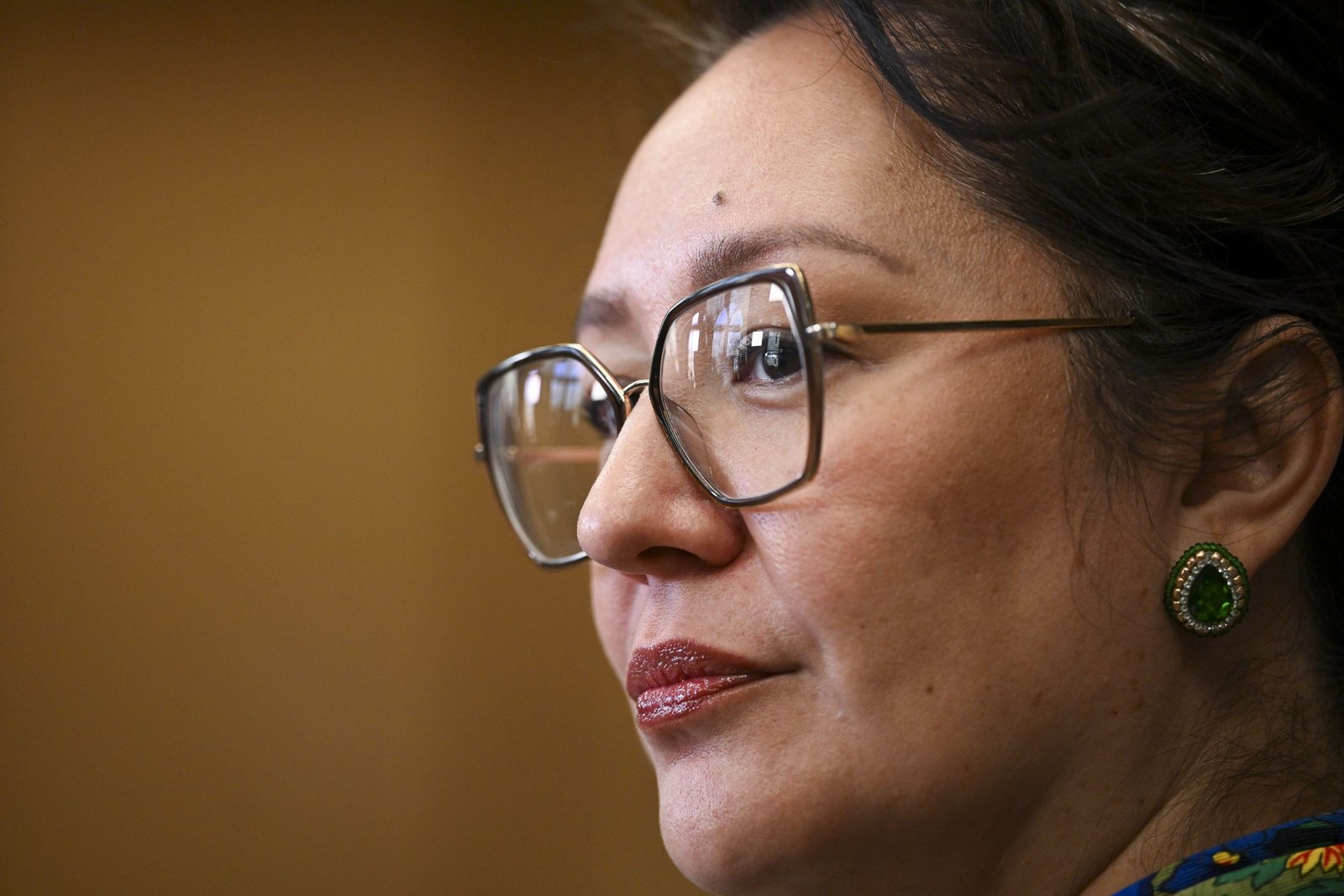
A government source said it’s doubtful the bill will clear committee before the start of the summer recess next month as too many stakeholders want to testify at committee.
The Liberals are unlikely to pass legislation before the summer recess that would restore Indian status to the descendants of enfranchised First Nations peoples, iPolitics has learned.
A government source said it’s doubtful the bill will clear committee before the start of the summer recess next month as too many stakeholders want to testify at committee.
iPolitics isn’t identifying the source to allow them to speak freely on internal matters.
Bill S-2 was drafted to comply with the Nicholas ruling last year from the B.C. Supreme Court, but has faced an uphill battle in Parliament after senators passed amendments that would end the controversial second-generation cutoff.
Indigenous Services Minister Mandy Gull-Masty said while she supports ending the cutoff, more time is needed to consult with impacted First Nations.
When asked about the timeline on Thursday, Gull-Masty’s office said it didn’t have any additional comment.
Liberal MP Terry Sheehan, who chairs the Indigenous and Northern affairs committee — which is studying S-2 — said it’s difficult to predict the pace of the study as members voted to hold concurrent studies on Indigenous policing and Arctic affordability, which was called for by the Conservatives.
Conservative MPs on the committee are calling for S-2 to pass quickly with the Senate amendments in place, but could be outvoted by the Liberals, who now have a majority after changes to the composition of committees were made last month.
The B.C. Supreme Court ruling originally gave Ottawa until the end of April to comply, a nearly one-year window. During the hearings, lawyers for the government conceded the existing rules on enfranchisement violated the Charter.
READ MORE: Feds lose bid for court extension of Nicholas ruling
S-2 was passed by the Senate in the fall, and was referred to the House Indigenous and northern affairs committee in February. However, the committee only started its study of the bill in April.
By then, Ottawa was back before the court asking for a six-month extension to the deadline. A temporary one-month extension was granted to await a ruling, though a B.C. Supreme Court judge ultimately decided against giving the government more time, as iPolitics exclusively reported last week.
The deadline wasn’t automatically reinstated as the government has a 30-day window to appeal.
Ryan Beaton, a partner at Juristes Power Law who represents the plaintiffs in the Nicholas case, said he believes Ottawa will wait until the final days to launch its appeal.
He said he sought consent from the Crown to allow the Nicholas ruling to go into effect across Canada — removing the deadline to pass S-2 — but this offer was rejected.
The government has argued that it opposes having Nicholas go into effect without legislation because it would only apply in B.C.
“I kind of wonder whether there’s anyone making the decisions who has fully digested the landscape,” Beaton told iPolitics on Wednesday.
“I would have thought there’s a strategic interest by government in letting the courts do this for them, and then their hands are no longer tied in Parliament by a court order, but my sense is no one has maybe thought it through that carefully.”
Beaton said he has the backing of the Nicholas plaintiffs to pursue a Federal Court order to allow the ruling to go into effect across Canada.
The second-generation cutoff denies Indian status to people who had a non-First Nation parent and grandparent. Many Indigenous leaders that testified during Senate and House hearings on S-2 have called for an end to the practice, warning that it would lead to some First Nations losing all their status members in the coming decades.
The Senate amendments would allow status to be passed on to a child if at least one of their parents were recognized as having status.
Gull-Masty has repeatedly said the one-parent rule isn’t unanimously supported by First Nations and consultations are needed before undertaking this significant change. She said while some communities support the Senate changes, others opposed it “because they want to do the important work of identifying their membership list.”
The government has already started consultations with First Nations, and they are expected to wrap up over the summer.
Gull-Masty has promised to introduce separate legislation to deal with the cutoff, but wouldn’t commit to a timeline when asked by iPolitics last month, saying she would turn her attention to next steps in the fall
“Im going to see, but I’m very committed to do this in an expeditious way.”
The House committee restarted its work on S-2 on Thursday after spending a meeting earlier this week discussing a plan to study Indigenous policing.
Quebec Sen. Michèle Audette, a vocal supporter of the Senate amendments to S-2, said she was told the government is looking for people who will oppose the bill in its current form, though it’s proving to be a difficult task.
“I have a feeling that they’re slowly finding specific communities to write to me to say that they are against [the bill], or they have concern because they will have so many people registered,” she said in an interview on Wednesday.
Some First Nations communities have expressed concerns that implementing a one-parent rule would create financial burdens as they would be obligated to provide services and housing to new members.
Audette, a member of Innu community of Uashat mak Mani-Utenam, said she’s disappointed this government isn’t embracing “legislative reconciliation,” but conceded that with a majority, the Liberals can do whatever they please.