dailynewsnblog
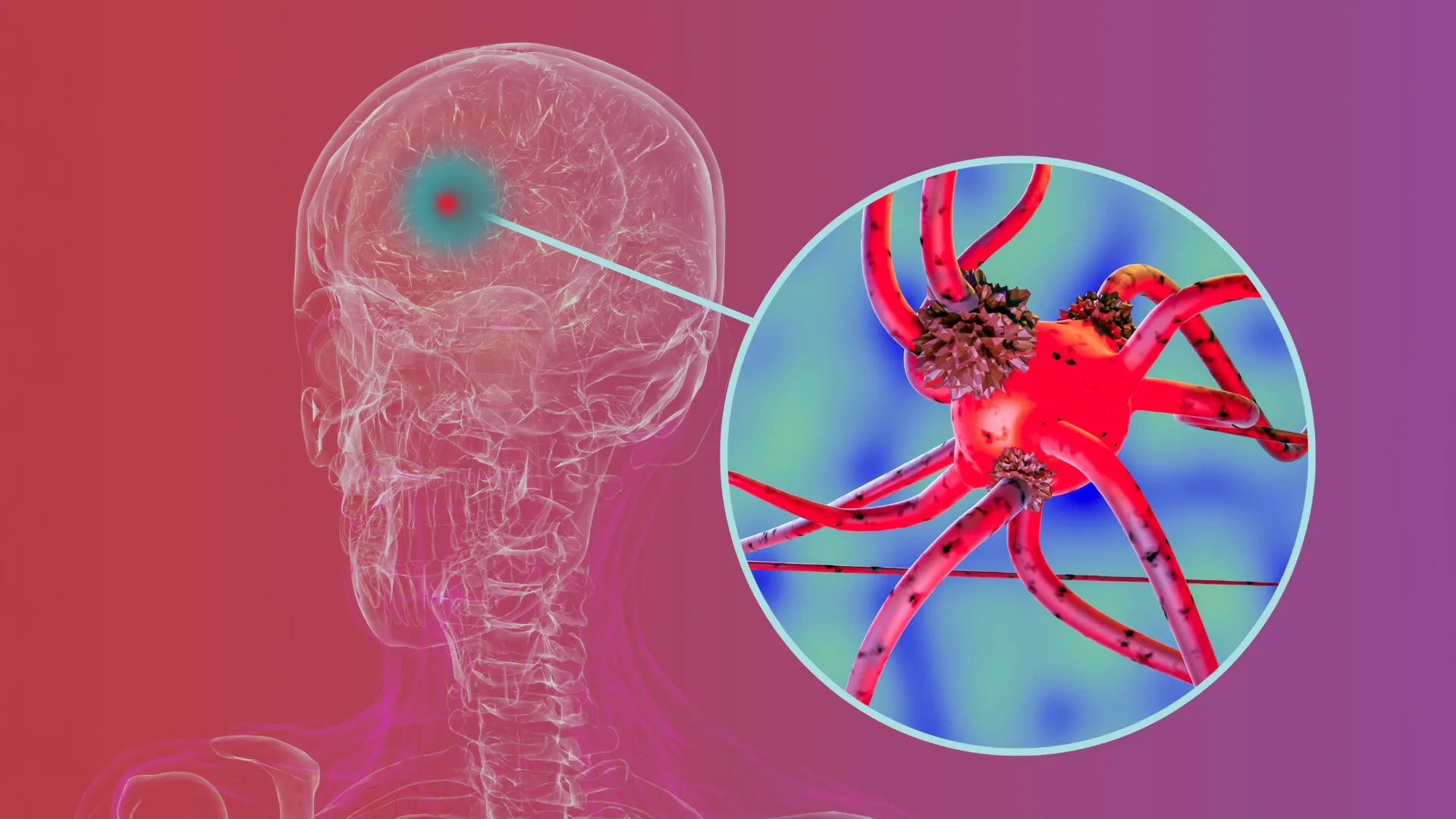
Immunotherapy may offer a completely new way to treat people with difficult-to-treat depression, according to a University of Bristol-led clinical trial published in JAMA Psychiatry on May 20.
In the small pilot study, researchers tested whether tocilizumab, a drug commonly prescribed for inflammatory conditions such as rheumatoid arthritis, could ease depression symptoms in patients who had not improved with standard antidepressants.
Although the trial included only 30 participants with moderate-to-severe depression, the findings suggest the drug may help reduce depression severity, anxiety, and fatigue while improving quality of life.
Scientists Investigate Inflammation’s Role in Depression
Most current antidepressants work by targeting brain chemicals such as serotonin, dopamine, and norepinephrine. However, roughly one-third of people with depression do not respond well to these medications.
In recent years, scientists have increasingly focused on another possible contributor to depression: inflammation. Research has shown that about one in three people with depression have elevated inflammatory markers in their blood, suggesting the immune system may play a role in driving symptoms for some patients.
One inflammatory protein drawing particular attention is interleukin 6 (IL-6), which helps regulate the body’s immune response. Previous studies have linked higher IL-6 levels to depression.
Earlier research from the same team used Mendelian randomization, a genetic research method that helps scientists separate cause from coincidence, to investigate the connection. Their findings suggested that inflammation involving the IL-6 pathway may be one of the biological drivers of depression.
Trial Tested an Existing Arthritis Drug
To explore whether blocking IL-6 could improve depression symptoms, researchers launched a four-week randomized controlled trial involving people with treatment-resistant depression who also showed signs of low-grade inflammation in blood tests.
Thirty participants were recruited through the University of Cambridge and the Cambridgeshire and Peterborough NHS Foundation Trust. Fourteen received tocilizumab, while sixteen received a saltwater placebo. Participants were monitored over four weeks to track any changes in symptoms.
Because the study was relatively small, researchers said there was limited statistical evidence of major differences between the two groups. Still, people who received tocilizumab generally showed greater improvement over time in several areas, including depression severity, fatigue, anxiety, and overall quality of life.
The remission rate was also higher in the treatment group. Researchers reported that 54% of participants taking tocilizumab achieved depression remission, compared to 31% in the placebo group. The Number Needed to Treat (NNT) was calculated at 5, meaning five people would need treatment for one additional person to benefit. For comparison, the NNT for SSRIs, the most commonly prescribed antidepressants for moderate-to-severe depression, is around 7.
Personalized Depression Treatments Could Be the Future
Golam Khandakar, Professor of Psychiatry and Immunology from the MRC Integrative Epidemiology Unit (MRC IEU) at the University of Bristol and NIHR Biomedical Research Centre: Bristol (NIHR BRC: Bristol), and the study’s senior author and chief investigator, said: “This work represents an important milestone in the development of new treatments for depression especially difficult-to-treat depression, which affects millions of people in the UK alone.”
“This is one of the first randomized controlled trials to test immunotherapy for depression, the first to test IL-6R as the treatment target, and the first to use a targeted approach to select patients most likely to benefit, and to show that it works.”
Dr. Éimear Foley, Senior Research Associate in Immunopsychiatry at Bristol’s MRC IEU and the NIHR BRC: Bristol, and the study’s lead author, added: “Depression is estimated to affect around 10-20% of people worldwide during their lifetime, yet for many patients current treatments do not work well enough.”
“Our study moves us closer to more tailored depression care, where treatments are chosen to better fit a person’s biology. This will help us to provide the right treatment to the right patients at the right time.”
One participant who took part in the study said: “I was happy to take part. Without research, advancements in medicine cannot be made.”
Larger Clinical Trial Planned
Researchers emphasize that larger studies are still needed before immunotherapy could become a standard depression treatment. The next step will be a large phase III randomized controlled trial designed to determine whether doctors should begin prescribing immunotherapy for depression more broadly.
The study was funded by Wellcome, with additional support from the NIHR BRC: Bristol, NIHR BRC: Cambridge, and the BMA Foundation J Moulton grant.