dailynewsnblog
A little less than a year ago this week, Prime Minister Mark Carney’s freshly elected yet still just-shy-of-a-majority government had only one big-ticket item on their pre-summer legislative to-do list: namely, the One Canadian Economy Act, which included several core components laid out in the Liberal campaign platform, including eliminating federal barriers to internal trade and labour mobility restrictions and an accelerated approval process for major projects deemed to be in the national interest.
Despite making its debut appearance on the floor of the House of Commons just two weeks before the chamber was scheduled to shut down for the season, the bill managed to make it onto the procedural fast track, courtesy of a rare show of cross-aisle cooperation by the Conservatives and over the objections of both the Bloc Québécois and the New Democrats, and ultimately made it to the finish line on June 26, when it was signed into law by Governor General Mary Simon.
Fast forward to today, and after methodically poaching a half-dozen MPs from the opposition side of the House, the Liberals are heading into the final stretch of the sitting with a slim but functional working majority, with enough votes to move their legislative agenda through the parliamentary pipeline,— and, if necessary, unilaterally impose hard deadlines to wrap up debate —both in the chamber and at committee, without relying on the support of any other party.
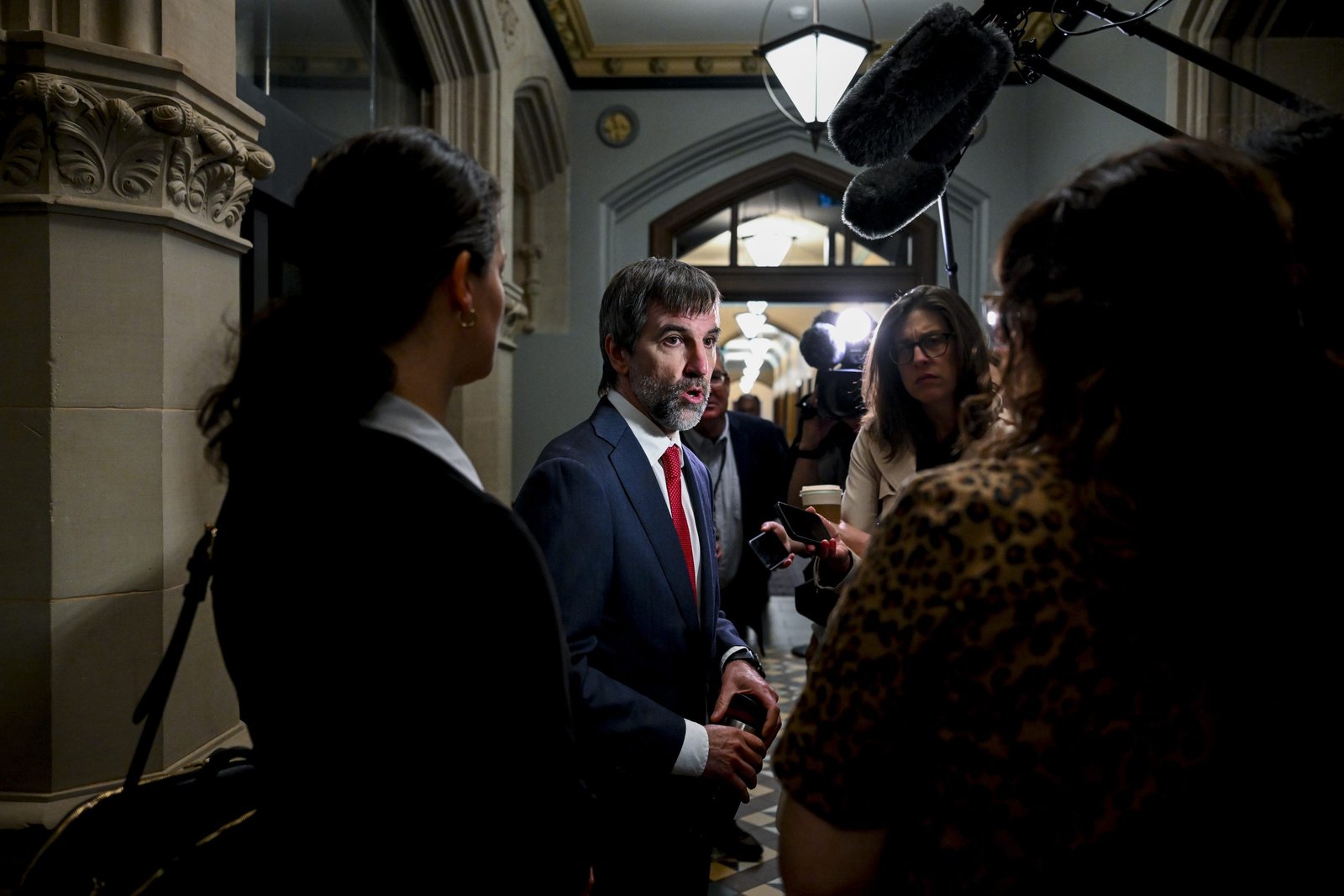
Even with newfound security, however, Government House Leader Steven MacKinnon has been determinedly vague when quizzed about his priorities for the final four weeks of the sitting.
Speaking with reporters earlier this week, he noted that the government “has a lot to get accomplished yet,” and “a very ambitious legislative agenda,” but declined to provide any specific details on what bills might be at or near the the top of it.
Given the shift in the balance of power since last spring, however, it’s a good bet that, at the very least, he’s hoping to beat his previous record by getting more than two government-initiated bills signed, sealed and delivered to incoming vice-regal representative Louise Arbour before proceedings wind down for the summer.
As fellow iPolitics bill-watcher Marco Vigliotti notes, it’s not hard to guess where MacKinnon and his team will be focusing their energy between now and June 19th — Finance Minister François-Philippe Champagne’s pitch to roll out some of the measures announced in his spring fiscal update, which is about to begin a lightning-round review at committee after the Liberals successfully forced it to a second-reading vote via time allocation, as well as legislation laying out the mandate and powers of the Build Canada Homes agency.
As Justice Minister Sean Fraser was keen to point out earlier this week, there are changes to the bail and conditional release system and stronger protections against gender-based violence that could “potentially save lives” — and while not as high-profile, there are also several time-sensitive items on the docket, including legislation to address court-ordered changes to the Indian Act registration system, a long-overdue overhaul of the federal energy efficiency regime and new provisions expanding the current hate crime laws.
When plotting out his preferred passage through the next 17 sitting days, MacKinnon will also have to work within the parameters of the parliamentary time to allow the opposition parties to carry out their democratic duty to dig into the fine print of the government’s spending plans, as outlined in the supplementary estimates.
While most of that work takes place at committee, the rules allow the opposition parties to select up to two ministers to undergo four hours of committee-style questioning on the floor of the House of Commons, although as it takes place during a special evening session, it doesn’t take up time that would otherwise be spent on government business.
On Tuesday night, it was Champagne’s turn to face the chamber, with Immigration Minister Lena Metlege Diab on deck for tomorrow night.
There’s also hard deadline for MPs to approve — or reject — the estimates themselves, which officially comes due when the supply cycle expires on June 23, although with the pre-set automatic adjournment set for June 19th, those make-or-break votes, which are automatically considered confidence tests, will likely take place no later than June 18th, and three more opposition-designated supply days in the queue.
The next opposition-controlled debate is currently on track to take place on Thursday, which would leave one more to fit into the scheduled before the eighth and final supply debate, which traditionally takes place on the same day that the estimates go to a vote, as it is meant to give the opposition one last chance to make the case for why the House of Commons should reject the request for supply — which, barring a sudden shift in partisan loyalties, is unlikely to succeed.
What’s more, even with a majority, a government must always take into account the possibility that its end-of-sitting agenda could be up-ended by the Upper House, which is notoriously protective of both its duty to exercise sober second thought, unfettered by outside pressure or government timelines, and its right to rewrite legislation, which could include any of the bills on MacKinnon’s wish list.
If senators do choose to exercise that power, the amended bill would have to be referred back to MPs to sign off on the suggested changes, which could easily add a day or two to the process even if the two chambers ultimately agree — or agree to disagree — on the amendments themselves — and if no consensus could be reached before the clock runs out, it would have to wait until the fall.
Given that wild card, MacKinnon — who, in that same media availability, reminded reporters that he’s “not the boss of the Senate” — will likely make the call to invoke his authority to request that the speaker add an additional night shift to the standard House workday for the final ten sitting days of the sitting, which, as per the Standing Orders, can only be done on the tenth sitting day before June 23, which, in this case, would be next Friday.
If he does, that would at least give the government time to deal with Senate-initiated rewrites without eating into the time available for regular House business — and if it turns out that it isn’t needed, they can always try to secure all-party agreement to wrap the sitting up a few days early.