dailynewsnblog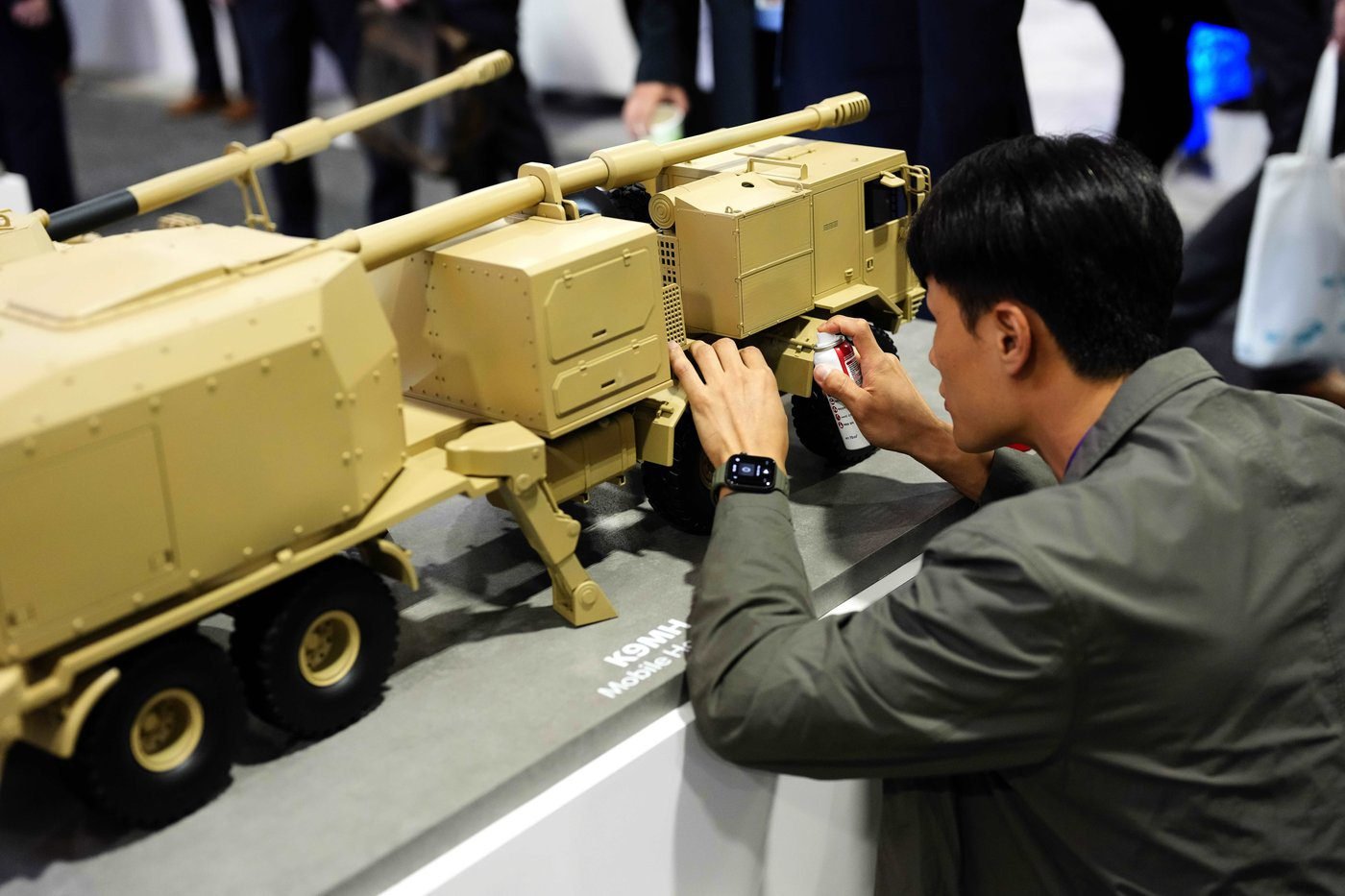
OTTAWA — Canada’s biggest arms expo is booming as an uncertain geopolitical climate and the federal government’s drive to rebuild the military combine to light a fire under the defence tech sector.
Hundreds of military equipment companies will jostle to sell their wares this week at CANSEC, an annual event in the nation’s capital that forecasts a 20 to 40 per cent increase in attendance this year.
“There’s a belief this government wants to see action on this file and they’re following their ambitions with some actual concrete actions to make things happen,” said Christyn Cianfarani, president of the Canadian Association of Defence and Security Industries, which hosts the show.
“I think that’s what’s giving the signal to the industry.”
Prime Minister Mark Carney has pushed to boost domestic defence spending and to use the sector to help shore up the economy.
That shift in federal priorities under Carney — who campaigned last year on Buy Canadian policies and on reducing the amount of Canadian defence dollars headed to the U.S. — has captured the industry’s attention.
CANSEC organizers say as many as 20,000 registered attendees could be on site at the Cohere Centre, recently rebranded after the Toronto-based AI company bought the name rights.
Last year’s CANSEC saw a record-setting audience of 14,500.
This year’s show is doubling the size of the venue through temporary structures.
“We’re increasing the footprint to accommodate this overwhelming interest that we’re seeing in the defence sector,” Cianfarani said.
“If it continues to grow like this, we will have to be very creative about how we deal with the show.”
Defence has never been a high priority for any federal government since the end of the Cold War.
Former budget watchdog Kevin Page pointed out in a recent interview the federal government quietly eliminated a line-item from the annual budget tracking yearly defence spending — likely out of embarrassment.
Now, that spending is being ramped up to levels not seen since the 1980s.
For the uninitiated, the CANSEC expo is a spectacle where vendors show off their latest defence and security tech. Companies deliver their sales pitches on plush carpets and hand out branded energy drinks. Replica helicopters and fighter jets are set up outdoors while drone prototypes are put through their paces inside.
Everyone comes with a sales pitch. The government, meanwhile, gets a platform to directly address manufacturers and announce procurement decisions.
Companies use CANSEC as a forum to announce partnerships to compete for major defence projects, giving large foreign contractors a chance to show how they’re building domestic companies into their supply chains.
Cianfarani had an early look at what companies have planned for this year’s show. She said she has observed a major branding shift.
“I have never seen such Canadian pride,” she said.
Companies that use domestic components in their products can be expected to make that made-in-Canada branding as prominent as possible.
Outside the venue, antiwar and pro-Palestinian activists opposed to CANSEC’s presence can be expected to stage large protests, potentially snarling traffic out to the airport.
This year’s expo comes as a war rages on in the Middle East and as the rapid advancements in drone and AI technology deployed in the Ukraine war are upending the industry.
The intensification of companies’ interest in CANSEC is also being driven by opportunity — a chance to press the flesh in Ottawa, where people in government are going to be making some big-money decisions on military procurement contracts.
The government is replacing its aging Bell CH-146 Griffon helicopters through a program called nTACS and is busy drafting options.
The air force plans to acquire a fleet of six airborne radar surveillance planes, while the navy is in the market for a fleet of up to 12 conventional submarines.
A political decision about Canada’s much-delayed fighter jet procurement project also hangs over the show; a review of Ottawa’s F-35 order has now stretched on past a year.
The Liberal government just this year announced a new Defence Industrial Strategy that seeks to build up annual revenues for small and mid-sized domestic firms by more than $5.1 billion.
It looks to create roughly 125,000 new jobs and substantially hike the share of government contracts awarded to Canadian companies.
But while industry has heard the Carney government’s grand political vision for the defence sector, it has yet to see that translate into something tangible.
Ottawa also has yet to draft a final list of all its current military wants. The last update of Canada’s defence policy happened under the government of Prime Minister Justin Trudeau in 2024.
This report by The Canadian Press was first published May 27, 2026.
Kyle Duggan, The Canadian Press