dailynewsnblog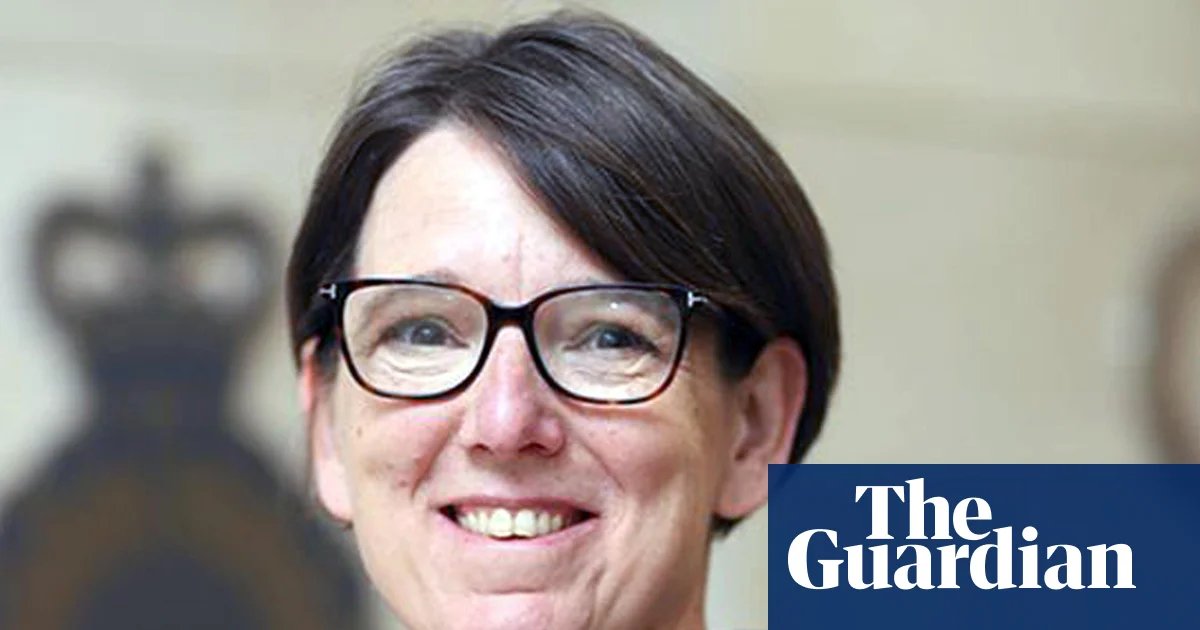
Russia is relentlessly targeting Britain’s infrastructure and democracy while there is only a narrowing technological window to stay ahead of a fast-developing China, the head of the spy agency GCHQ will warn in a lecture on Wednesday.
Anne Keast-Butler, giving an inaugural annual lecture, will say that the UK is caught in a “new era of radical uncertainty” and that “the risk of miscalculation” is as high as she has ever seen it as hacker attacks from the two states continue.
The spy chief will particularly emphasise the wide-ranging threats posed by Russia, saying that Moscow is “relentlessly targeting critical infrastructure, democratic processes, supply chains and public trust” in the UK.
This requires GCHQ, which specialises in electronic intelligence, to fend off cyber-attacks and counter “reckless sabotage and assassination attempts” in its efforts to protect the UK and support western allies and Ukraine.
During the Ukraine war, Russia has also targeted the UK and other allies with sabotage and disruption campaigns, she will say. In one instance, firebombs were placed in DHL parcels, with one catching light in Leipzig, Germany and a second at a warehouse in Birmingham, having travelled from the continent by plane.
The language around China is notably more muted, despite several espionage scandals over the past year, reflecting broader government efforts to maintain a positive trade and economic relationship after a visit by the prime minister, Keir Starmer, in January.
“China is now a science and tech superpower – with sophisticated capabilities across their intelligence, cyber and military agencies,” Keast-Butler will say, and its growing development of artificial intelligence means there is a “narrowing window for the UK and allies to stay ahead”.
Britain has to deal with four major cybersecurity incidents a week, with China, Russia and Iran behind most the serious attacks, according to figures issued last month by Richard Horne, the chief executive of the National Cyber Security Centre, an arm of Cheltenham-based GCHQ.
The scale of hostile activity online has led other spy chiefs, including the newly appointed head of the foreign intelligence agency, MI6, Blaise Metreweli, to warn that the UK is caught in “a space between peace and war”. Information and technology were becoming increasingly weaponised by Russia and others, she said in December.
Britain faces a “moment of consequence” where it is seeing increasingly brazen behaviour from adversaries, Keast-Butler is expected to say on Wednesday, in a talk to be given at Bletchley Park, the second world war home of GCHQ, which then specialised in breaking codes used by the German military.
In an attempt to demonstrate GCHQ’s ability to plan before a major crisis, the spy chief referenced correspondence from its first director, Alastair Denniston, in the months leading up to the war breaking out.
He discreetly sought a commitment from the University of Cambridge’s Newnham College to recruit “in an emergency … six students proficient in modern languages” in January 1939, eight months before Adolf Hitler invaded Poland.
Earlier, on Tuesday, Britain targeted Russia-linked cryptocurrency platforms, banks and financial networks that it said were used to bypass sanctions. It froze their assets and barred UK firms from processing payments and having banking relationships.
The measures targeted “shadow financial systems” said to underpin Russia’s war economy, including the Kremlin-backed A7 network. This, the UK said, had been used to route funds, finance procurement and exploit foreign banking systems to evade restrictions placed on Russian money after the invasion of Ukraine.
Crypto exchanges and entities operating Russia-focused platforms were also targeted by the UK sanctions, including a Kyrgyz bank and firms registered in jurisdictions including Georgia and the United Arab Emirates, alongside individuals tied to the network.
Yvette Cooper, the foreign secretary, said: “We will continue to act fast and decisively, alongside our allies, to expose, disrupt and dismantle these networks, and ensure those enabling Russia’s aggression face consequences.”