dailynewsnblog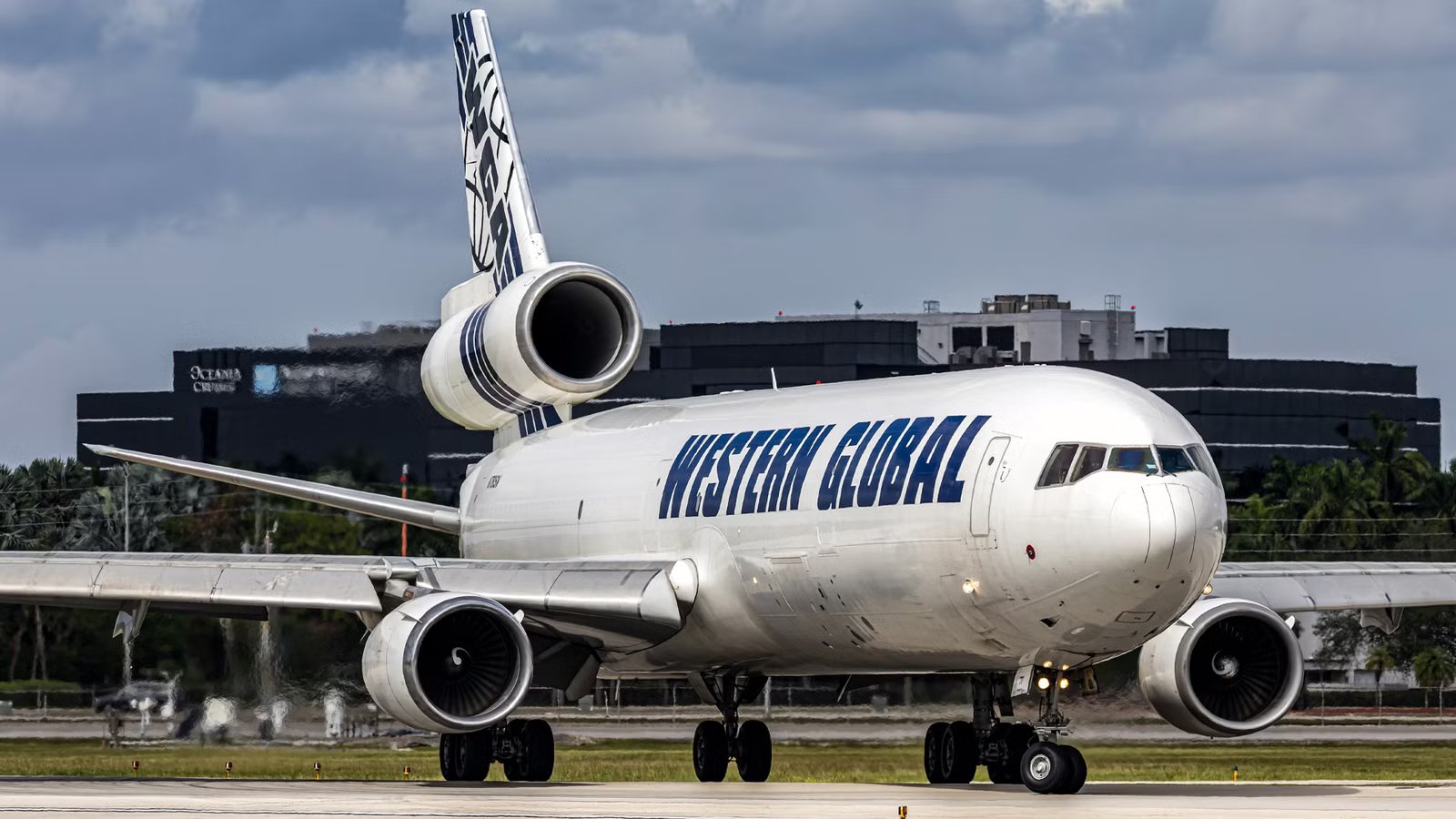
After months of uncertainty surrounding the future of the McDonnell Douglas MD-11, cargo carrier Western Global Airlines has officially brought the tri-jet back into service. The airline resumed MD-11F operations on May 21 following the Federal Aviation Administration’s ( FAA) approval of  Boeing’s inspection and repair program for the aircraft type. Western Global now joins FedEx as only the second operator to reactivate the aging freighter after last year’s grounding.
The return marks a dramatic turnaround for an aircraft many believed was heading toward permanent retirement. Following the fatal 2025 crash involving a  UPS Airlines MD-11F in Louisville, the FAA grounded the entire US-operated fleet while Boeing and regulators investigated structural concerns surrounding the engine pylons. While UPS decided to retire this aircraft type, FedEx and now Western Global have instead chosen to invest in keeping the iconic tri-jet flying.
Western Global’s MD-11 Returns To Service

Flight-tracking data from Flightradar24 and aviation observers first noticed Western Global’s MD-11F returning to active operations earlier this week, marking the first test flight between Fort Myers (RSW) and Columbus Rickenbacker Airport (LCK). Social media posts from tracking accounts showed one of the carrier’s freighters, with tail number N781SN, airborne again after months parked on the ground. The move came shortly after the FAA officially lifted restrictions on the aircraft type following extensive inspections and engineering modifications.
Western Global’s decision is particularly notable because the airline relies heavily on the MD-11 for its long-haul cargo network. Unlike larger operators with vast, diversified fleets, the Florida-based cargo specialist built much of its operations around 15 secondhand MD-11 freighters, in addition to just four Boeing 747-400F. During the grounding, reports suggested the carrier had furloughed pilots and parked large portions of its fleet, creating doubts over whether the aircraft would ever return.
The news of the return quickly spread among aviation enthusiasts as both FedEx and Western Global pressed ahead with revival plans despite the odds.
The FAA approved the MD-11s return-to-service protocol after reviewing structural inspection and maintenance procedures focused on the aircraft’s engine pylon attachment system. FedEx almost immediately resumed flights when the grounding was lifted, while Western Global soon followed with its own reactivation efforts.
The Crash That Nearly Ended The MD-11

The MD-11’s future became uncertain after the November 2025 crash of a UPS-operated freighter near Louisville Muhammad Ali International Airport (SDF). During takeoff, the aircraft experienced a catastrophic engine separation, which investigators later linked to fatigue cracking in a structural support component connecting the engine pylon to the wing. The accident killed 15 people and triggered an immediate industry-wide grounding.
The grounding created enormous operational challenges for cargo airlines. FedEx alone warned that the loss of its MD-11 fleet could cost the company up to $175 million as it scrambled to deploy alternative aircraft and charter capacity during peak shipping seasons. Western Global faced even greater pressure due to its smaller fleet size and greater dependence on the tri-jet.
Investigators from the National Transportation Safety Board ( NTSB) spent months examining wreckage and reviewing maintenance records before Boeing developed a revised inspection and repair program. The FAA ultimately determined that the aircraft could safely return to service if operators complied with new structural inspection requirements.
Despite the approval, the crisis effectively ended MD-11 operations at UPS. The company permanently retired its fleet rather than invest in modifications and continued maintenance for the aging aircraft. That decision left FedEx and Western Global as the last operators willing to continue flying the type.

MD-11 Return: How A Small Engine Fix Is Getting FedEx’s Tri-Jets Back In The Air
The return of the McDonnell Douglas MD-11 to the skies could be near, with Boeing having designed a fix.
The MD-11’s Final Operators Face A Difficult Future

Today, FedEx remains the world’s largest MD-11 operator, with 29 of these freighters still technically part of its fleet, as per planespotters.net. Western Global operates half that number, but the airline’s identity has become closely tied to the tri-jet over the years. For both carriers, the aircraft still fills an important niche thanks to its long range, substantial payload, and ability to operate into airports that may not readily accommodate larger freighters such as the Boeing 777F.
However, the long-term future of the MD-11 remains limited. Production of the aircraft ended decades ago, and maintaining aging tri-jets is becoming increasingly expensive. Boeing’s newer freighters, especially the Boeing 777F and future Boeing 777-8F, are widely viewed as the eventual replacements. The Boeing 767F also continues to play a critical role for operators needing lower-capacity freighters, and is currently the most common freighter in the FedEx fleet.
For now, though, the MD-11 continues to prove surprisingly resilient. Once expected to disappear rapidly from global skies, the aircraft has instead earned a rare second life thanks to strong cargo demand and the difficulty of quickly sourcing replacement freighters. FedEx and Western Global may be operating on borrowed time, but the unmistakable silhouette of the tri-jet is not gone yet.