dailynewsnblog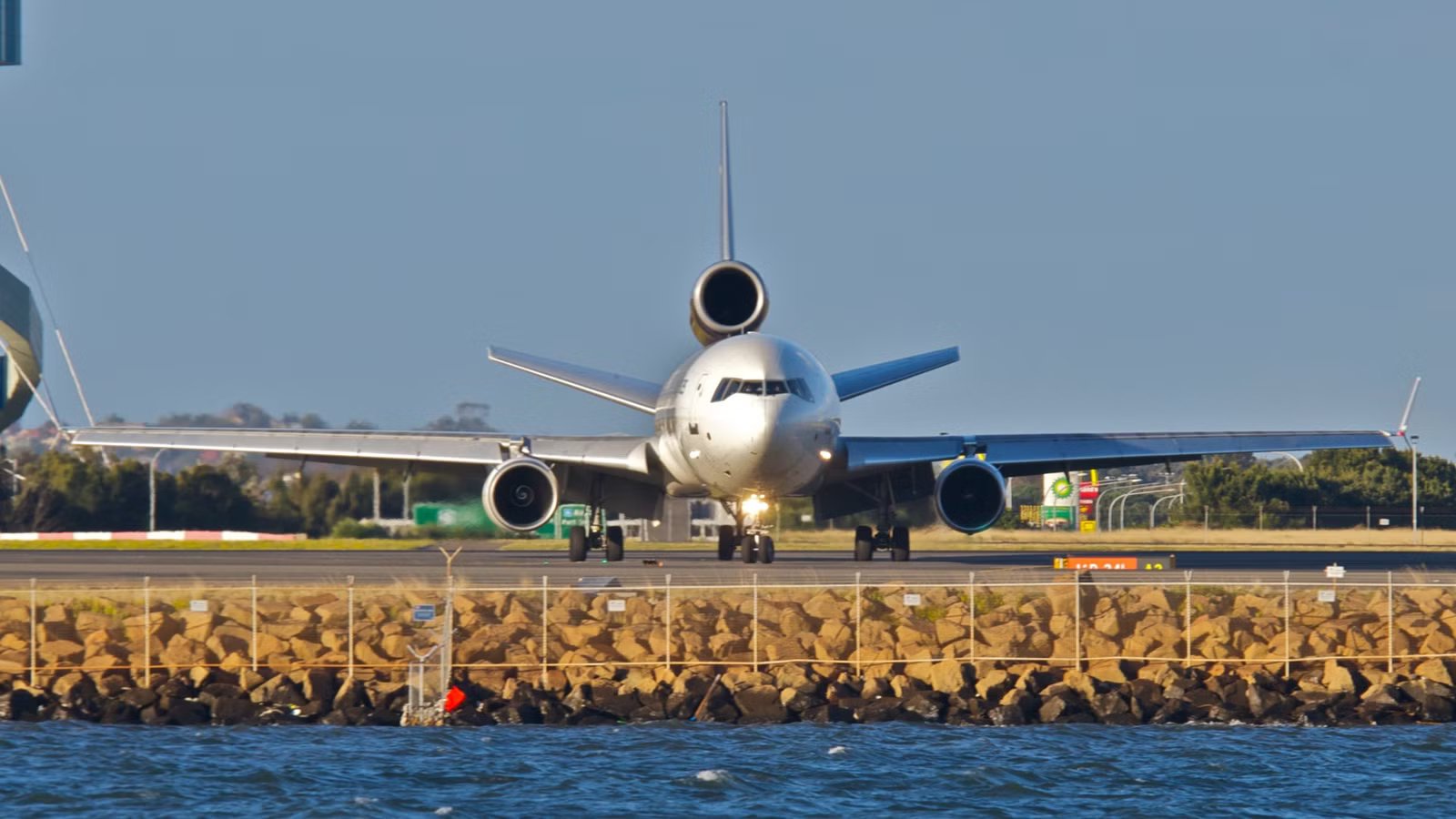
On May 22, the National Transportation Safety Board announced via X that it would be making a major change from the normal investigation process by removing dockets from public access online. The decision was a result of unauthorized recreations of cockpit audio from NTSB files using advances in artificial intelligence.
It was the investigation documents of UPS flight 2976 that contained a visual analysis of the cockpit voice recorders’ data. This image was analyzed by members of the public using AI tools to simulate the sounds and conversation inside the cockpit in the final moments before the aircraft crashed. The NTSB does not release CVR audio for ethical reasons and has since pulled all similar files from public webpages.
A Malicious Application Of Artificial Intelligence

NTSB Chairwoman Jennifer Homendy commented it was “deeply troubling” that public AI resources could generate the deep fake audio, according to CNN. Going on to say that not only does the board not release such files for a number of security and professional reasons that protect the integrity of investigations, but also out of respect for the accident victims and their loved ones.
The AI-generated audio clips have been circulating across social media platforms like X and Reddit. Because the NTSB has included identical sound spectrum imagery in dozens of historical investigations, the board realized that every past aviation archive was now vulnerable to having its audio extracted.
On X, Homendy emphasized that “disgusting, manipulated posts” are offensive to victims during a time of tremendous loss and should not be tolerated on social media. On Friday, the NTSB posted an official statement explaining the privacy issues and legal mandates that prevent CVR audio release to the public. The board aims to restore access soon, saying:
“The NTSB does not release cockpit audio recordings. Federal law prohibits such public release due to the highly sensitive nature of verbal communications inside the cockpit. The NTSB takes these privacy restrictions seriously.”
Why The NTSB Creates Cockpit Sound Maps

Analysis of the cockpit audio is very often a crucial element in aviation mishap investigations by the NTSB and other air safety authorities. The NTSB included a spectrogram depiction of the audio recovered from the CVR, or black box, of UPS flight 2976, just like it does for many other aircraft. This sound map represents the frequencies that are recorded by the plane’s system using a visual image with highs and lows across a timeline.
A spectrogram visualizes mechanical sounds like avionics alerts, engine sounds, mechanical system activity or other background noises that could provide crucial context to the incident. To generate this image, a mathematical process called a Short-Time Fourier Transform is used. This converts the sound waves into distinct frequencies with amplitude factored in for audio intensity as well.
Automated cockpits feature specific acoustic signatures for warnings for situations such as a stall or autopilot disconnect, among many other scenarios. The audio spectrogram can provide important evidence that proves the exact timing and sequence of events when an alarm occurs within a fraction of a second of a pilot’s input on the controls. This is also very helpful when a transcript of speech inside the cockpit is not intelligible enough to understand the aircrew’s decisions and actions.

Could Cockpit Video Recorders Help Air Crash Investigations?
The proposed installation of such technology remains a divisive subject among aviation commentators.
How A Picture Powered AI Voice Simulations

The deep fake audio simulation of UPS flight 2976 by AI was unprecedented, and therefore, the NTSB had no reason to believe that there was any risk that this situation could develop. Until recent advances in machine learning, there was no known technology available to the public that could analyze a spectrogram and produce clear audio. While the clips circulating on social media are not true, AI tools were able to approximate a very believable simulation.
The spectrogram image shared by the NTSB was not just a standard picture file, it was a high-quality vector PDF, which online users realized could be mined for data. First of all, AI inverted the Fourier transformation, then combined it with voice cloning and data scraping. By overlaying the cloned voices onto the decoded frequencies from the spectrum, AI was able to ‘deep fake’ the aircrew of UPS 2976.