dailynewsnblog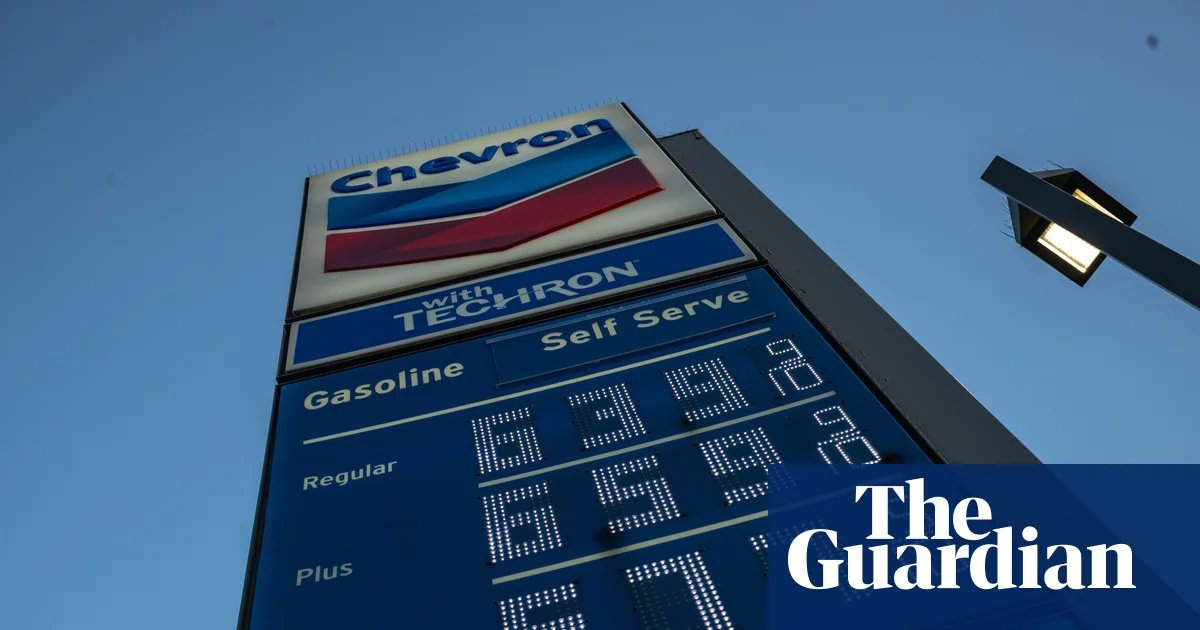
Sorry, US drivers, but don’t expect pump prices to return to prewar levels any time soon, even if the US and Iran agree to a lasting peace deal tomorrow.
As the war with Iran enters its third month, drivers have become infuriated by rising gas prices – and inflation – and Donald Trump is facing a historic backlash in the polls. The president promised recently that relief will be swift once the war ends. “I see it going down very substantially when this is over, I think very rapidly too, at levels that you’ve never seen,” he said.
Experts say it’s not that simple. As the saying goes, gas prices shoot up like a rocket and come down like a feather.
Should peace be declared, prices could fall on a kneejerk move, but it will take several months – maybe years – for prices to retreat to previous levels of about $3 a gallon nationally because checking potentially damaged energy infrastructure in the Middle East and unsnarling supply chains takes time, say energy experts.
The national average gasoline price is at $4.55 as of 22 May, up roughly $1.50 from where it was before the US and Israel attacked Iran in late February, says Denton Cinquegrana, chief oil analyst at Dow Jones Energy. “For retail prices to drop $1.50, I think we could kiss that number goodbye for 2026,” he says.
About 25% of the world’s seaborne crude-oil trade, or about 20m barrels a day of oil production, transits the strait of Hormuz according to the International Energy Agency, oil currently being kept off the global market.
Normally, it takes anywhere from 30 to 60 days to turn a barrel of crude oil into fuel, says David Ruisard, US products senior editor at Argus Media, an information-services company. That process includes pumping oil out of the ground, transporting it to a refinery, turning it into a usable product and getting it to market.
If the conflict ended tomorrow, energy experts say it’s difficult to pinpoint how long it would take for prices to normalize because there’s a lot of unknowns about the state of oilwells, refineries and ports in the Persian Gulf and whether repairs will take weeks or months.
Even if the oil wells were undamaged, Gulf wells use traditional pumping methods which take longer to restart than US shale-oil wells because of different hydraulics. It also takes time to fire up refineries to be hot enough to start processing crude oil.
Then there’s the logistics of clearing the backlog of traffic stuck in the Gulf and repositioning ships to return to the region, which could take at least three to five weeks, Cinquegrana says.
For example, the oil tankers that transit the Gulf, known as very large crude carriers, which hold 2m barrels of oil, move at only 13 knots an hour, about 14 miles per hour. “You’re basically riding a bicycle on water,” he says.
His base case is that the minimal recovery time will take as long as the conflict lasts. If the war ends by the end of June, that will be about 18 weeks of hostilities, he says, and he expects the recovery to take at least that long.
Because of all the variables, Ruisard says industry estimates are wide for how long it would take for fuel prices to return to prewar levels, anywhere from six months to two years, even if the conflict ended immediately.
As the war continues, seasonal influences and demand could have an impact on fuel prices. All types of fuel, from gasoline to diesel and jet fuel, spiked as the strait of Hormuz was closed. Gasoline and diesel prices remain near their highs. Jet-fuel prices are also elevated, but have come off recent highs.
Concerns for jet fuel availability was especially high in Europe because airlines there relied on the type of fuel from now-mothballed Middle Eastern refineries. Some of that pressure in Europe has been alleviated, said the Ryanair CEO, Michael O’Leary, in an earnings call on 18 May, as fewer people booked flights because of the higher costs, along with jet-fuel supplies coming from other sources.
Ruisard says because airlines can cut flights, drop routes and take other measures to offset costs, jet fuel prices could normalize sooner than gasoline and diesel. Cinquegrana says gasoline could normalize sooner than diesel because US production of diesel has been tight for the past several years relative to gas.
Gasoline prices could rise as the summer driving season in the US begins with the Memorial Day weekend, Ruisard and Cinquegrana say. Despite the high fuel prices, AAA projects 45 million Americans will travel at least 50 miles from home between 21 May and 25 May, which could be a new Memorial Day weekend record.
Patrick De Haan, head of petroleum analysis at GasBuddy, says if a peace deal is announced, pump prices could initially retreat within two to three days on optics and sentiment that the war has ended, but trying to call an outlook on gas prices for the summer is nearly impossible. “I don’t even predict what next week’s going to be because of headlines,” he says.
If the strait of Hormuz reopened tomorrow, the national average this summer might be closer to the mid-to-upper $3 range, but if it remains closed, prices could continue to creep towards $5 and potentially surpass records, he says.
Fuel prices are likely to stay volatile as long as hostilities continue, and Ruisard says prices have a war premium built in, similar to what happened during the second Gulf war under George W Bush in the early 2000s.
Looking at history for future guidance about the direction of oil prices is hard, as this conflict is different than previous supply shocks. The Russian-Ukraine war is the most recent analog. Prices spiked, but they came down as markets realized that Russian production didn’t go to zero, the experts say.
De Haan and Cinquegrana say even when the war ends, demand for fuel could stay high as countries will need to replenish the inventories they are currently draining and other countries could begin building new reserves.
“I wouldn’t be surprised if, like Pakistan and India, maybe even South Korea, and Japan, countries that have been hit really hard, go through the exercise of adding strategic reserves to protect themselves from an event like this ever happening again,” Cinquegrana says.