dailynewsnblog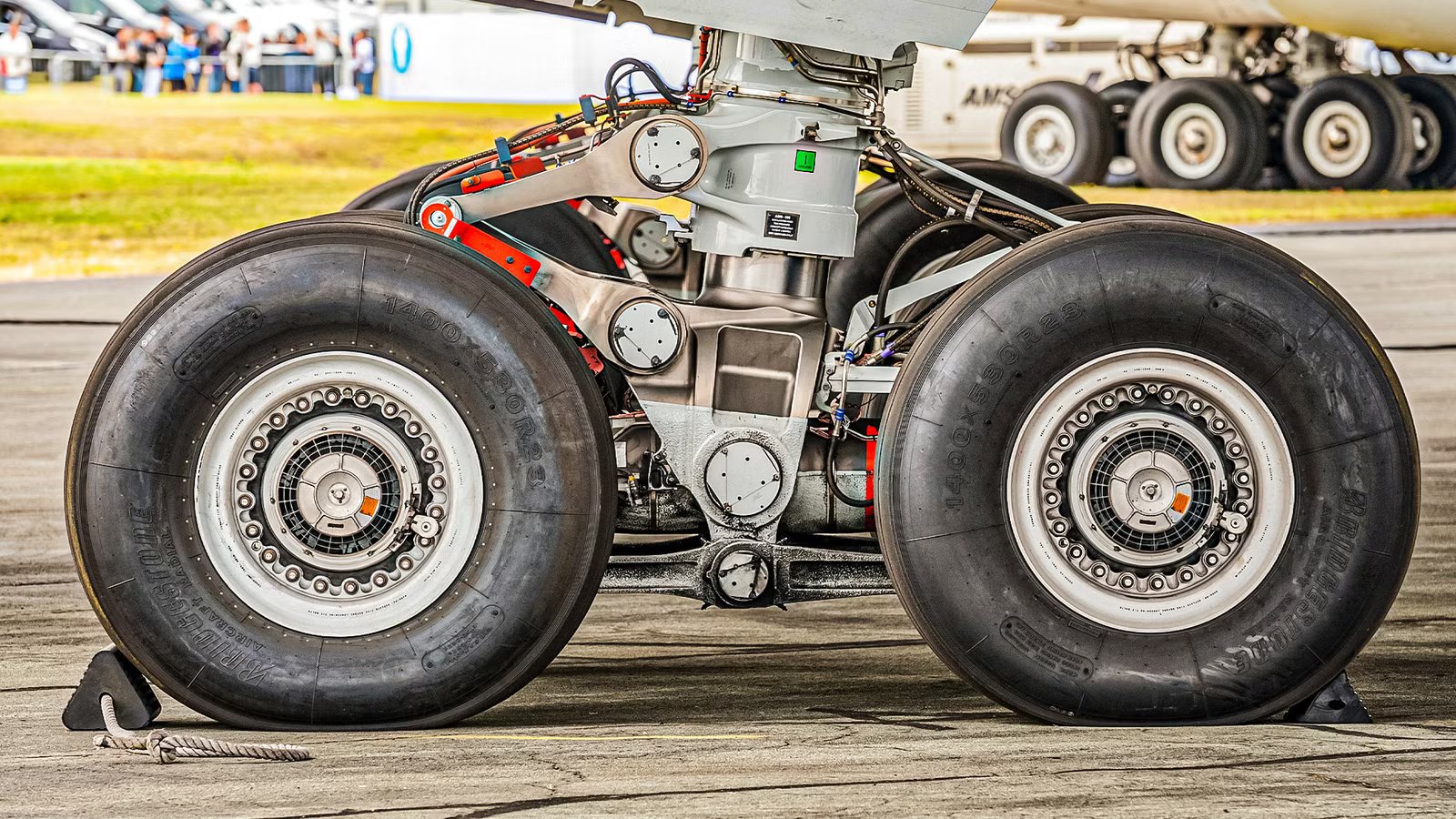
Landing gear systems are often massively overlooked by many, serving as the critical interface between a mega machine and the solid earth. For the Boeing 787-10 and the Airbus A350-900, the gear must facilitate a safe rotation on takeoff and manage extreme heat during heavy braking, requiring exceptional engineering and design to withstand such extreme forces. This list looks into the specific mechanical nuances that separate these two titans of the sky, focusing on five distinct design philosophies that impact ground operations and long-term maintenance for these new-generation jets.
The criteria for this comparison are based on structural architecture, system actuation, and material science. Both aircraft utilize a conventional tricycle gear arrangement, but the internal logic of their systems, ranging from high-voltage electrics to traditional hydraulics, reveals a deep divide in how  Boeing and Airbus approach modern widebody design.
Nose Landing Gear
Differences in sourcing strategy

The Boeing 787-10 utilizes a nose landing gear system designed and manufactured primarily by Safran Landing Systems. This architecture was built to be part of an integrated shipset, where the nose and main gear share common logic controllers to streamline the flight deck interface. Sourcing the entire system from a single primary partner was a brilliant move by Boeing, as it ensured that the steering and retraction sequences were perfectly synchronized with the aircraft’s central health management system.
In contrast, the Airbus A350-900 utilizes a nose gear system that is a product of a more fragmented, yet highly specialized, process. For example, Safran handles the massive main gear bogies, and Liebherr is responsible for the nose gear leg and its associated steering actuators. This split-sourcing strategy is a hallmark of European aerospace engineering, allowing Airbus to adopt the specific regional expertise of different tier one suppliers to optimize weight and reliability across the airframe.
|
Feature |
Boeing 787-10 |
Airbus A350-900 |
Impact |
|
Primary Manufacturer |
Safran Landing Systems |
Liebherr-Aerospace |
Diverse supply chain |
|
Steering Actuation |
Electric-over-hydraulic |
Hydraulic |
787: Weight reduction |
|
Retraction Motion |
Forward / upward |
Forward / upward |
Standard aero-safety |
|
Bay Door Design |
Narrow profile |
Wide profile |
A350: Better ground access |
The mechanical difference becomes apparent during the retraction sequence, where the Boeing 787-10 nose gear utilizes a forward-retracting motion that is locked into place by a dedicated over-center mechanism. The Airbus A350-900 follows a similar forward-retract path but incorporates a distinct bay door geometry to accommodate its slightly wider nose profile. These subtle engineering choices reflect the broader goal of reducing aerodynamic drag during the initial climb phase, where every bit of exposed surface area matters.
Braking Systems
Stay traditional or go fully electric?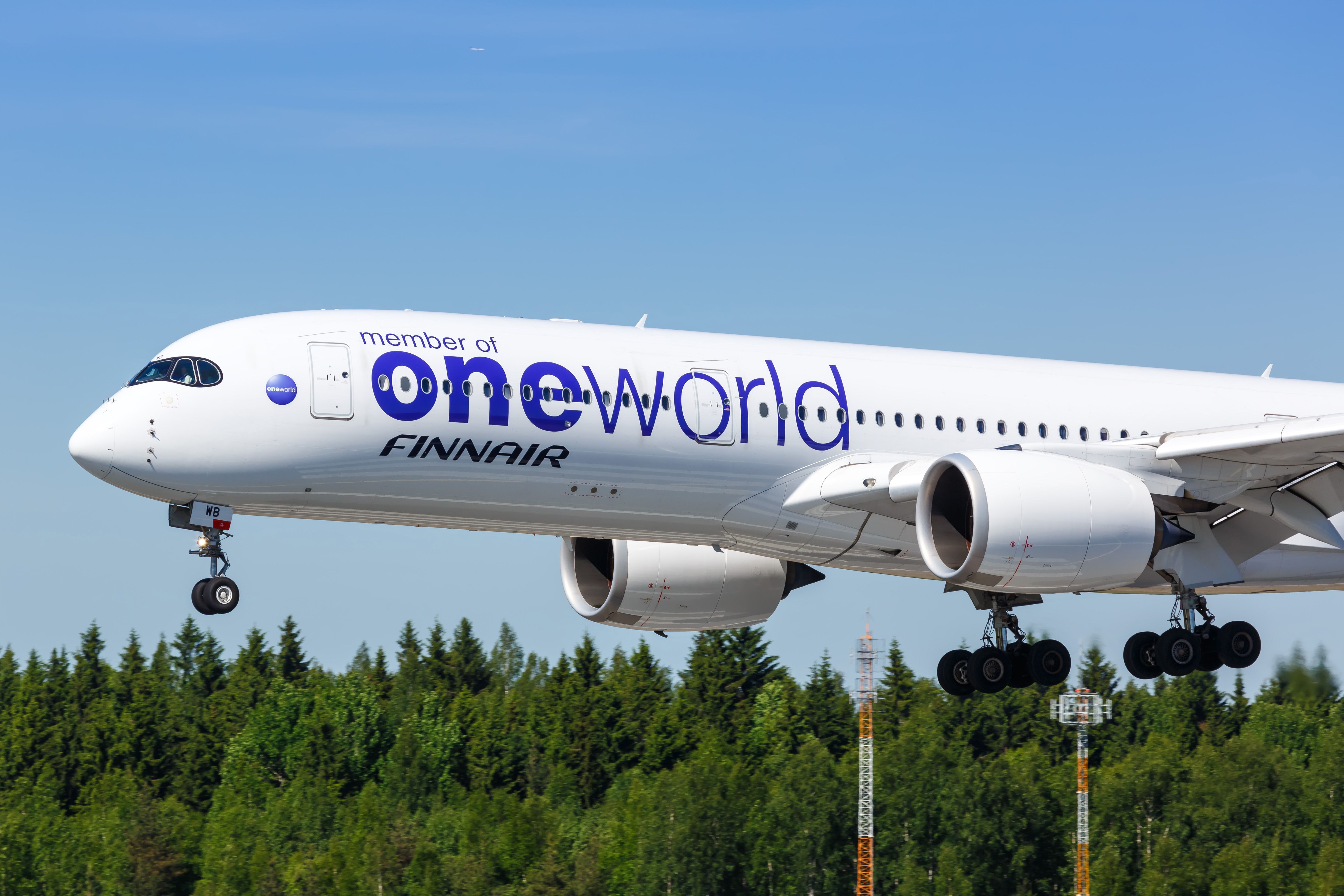
The Boeing 787-10 is a pioneer in the transition toward more electric aircraft, specifically regarding its braking systems. Instead of traditional hydraulic pistons, the Dreamliner uses electric actuators to clamp the carbon brake discs. This innovation significantly simplifies the landing gear bay by removing high-pressure lines that are prone to leaking during flight.
In contrast, the Airbus A350-900 maintains a more traditional hydraulic approach but with a modern, brake-by-wire system. This system is known for its immense stopping power and the ability to integrate seamlessly with standard airport ground equipment. It is a more mechanically complex solution, but it is a proven solution, nonetheless, that many engineering teams already understand and maintain well.
|
Braking Component |
Boeing 787-10 (Electric) |
Airbus A350-900 (Hydraulic) |
Main Advantage |
|
Actuator Type |
Electric motor |
Hydraulic piston |
Electric: Less fluid waste |
|
Control Logic |
Digital signal |
Hydraulic pressure |
Hydraulic: Pure force |
|
Weight Factor |
Lighter (no tubing) |
Heavier (fluid weight) |
787: Better fuel burn |
|
Heat Control |
Smart monitoring |
Thermal sensors |
Precision cooling |
Choosing electric brakes on the 787-10 translates to fewer hazardous materials and a lighter overall airframe weight. However, the A350-900 system provides a robust and familiar architecture for long-haul carriers that prioritize mechanical reliability. Both systems ensure that these heavy aircraft can come to a full stop within standardized runway lengths safely and efficiently.
The Airbus A350-1000’s Landing Gear Is Designed To Absorb Punishing Touchdowns: Here’s How
Seeing an aircraft as large as the A350-1000 touch down harder than expected makes many worry, but these landings are never too much to cope with.
Landing Gear Configuration
Providing the much-needed stability 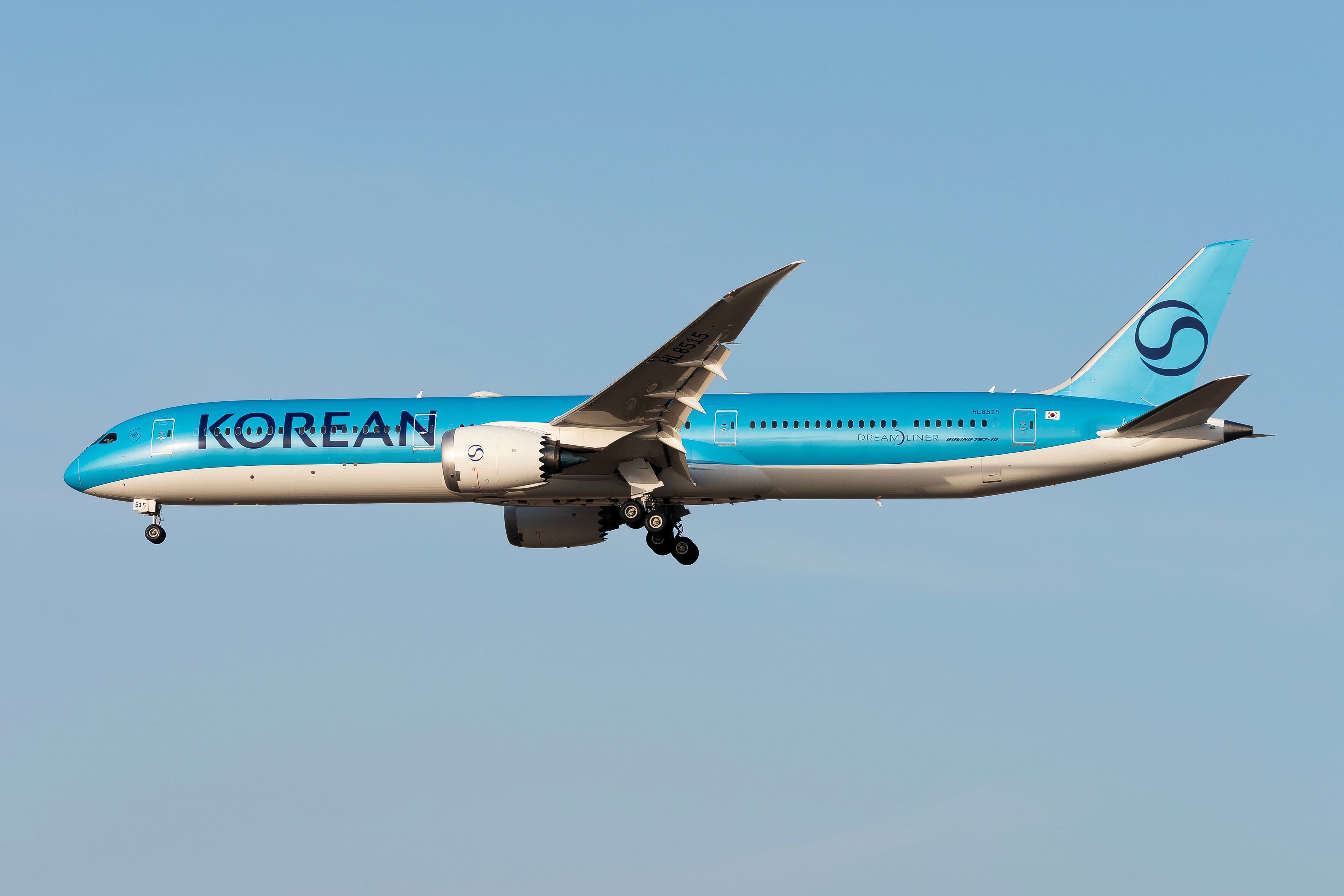
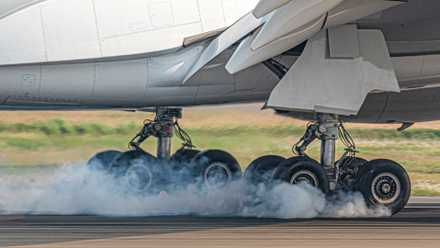
The wheel and tire footprint geometry is a critical factor in how these two jets distribute their massive weight. The 787-10 is the longest variant of the Dreamliner family, which ultimately means that it requires a specific tire arrangement to handle the stresses of high-speed rotation. It uses a four-wheel bogie that ensures the pavement loading remains within the acceptable limits, which, for an aircraft of its size, is a very important factor to consider.
The Airbus A350-900 also utilizes a four-wheel bogie design on each main gear leg to spread the load across a larger surface area with a slightly larger distance between the left and right main gear legs. This setup is particularly effective at reducing the ground pressure exerted on the runway, which is a major concern for airports with older infrastructure. The wider stance provides excellent stability, which allows for far more stable landings and helps with rolling control during takeoffs.
|
Metric |
Boeing 787-10 |
Airbus A350-900 |
Operational Reality |
|
Wheels per Main Bogie |
Four (2×2) |
Four (2×2) |
Consistent loading |
|
Typical Tire Pressure |
220 psi (15.2 bar) |
215 psi (14.8 bar) |
A350: Softer on concrete |
|
Bogie Spacing |
Wide |
Compact |
A350: Tight turn radius |
|
Tire Diameter |
50 inches (127 cm) |
52 inches (132 cm) |
A350: Larger contact patch |
Tire pressures are also managed differently to optimize the contact patch between the rubber and the concrete. The 787-10 tires are typically inflated to around 220 psi (15.2 bar), while the A350-900 may use slightly different settings depending on the specific operational situation and certified weight variant based on the MSN of the aircraft. Proper inflation is essential for preventing tire blowouts, which is especially the case when aircraft are operating closer to the MTOW.
Why The Airbus A350-900’s Main Landing Gear Has Fewer Tires Than The A350-1000
The Airbus A350-1000’s 6-wheel main landing gear is a mechanical necessity driven by weight, physics, and airport infrastructure.
Material Choices
Keeping the brakes in better condition for longer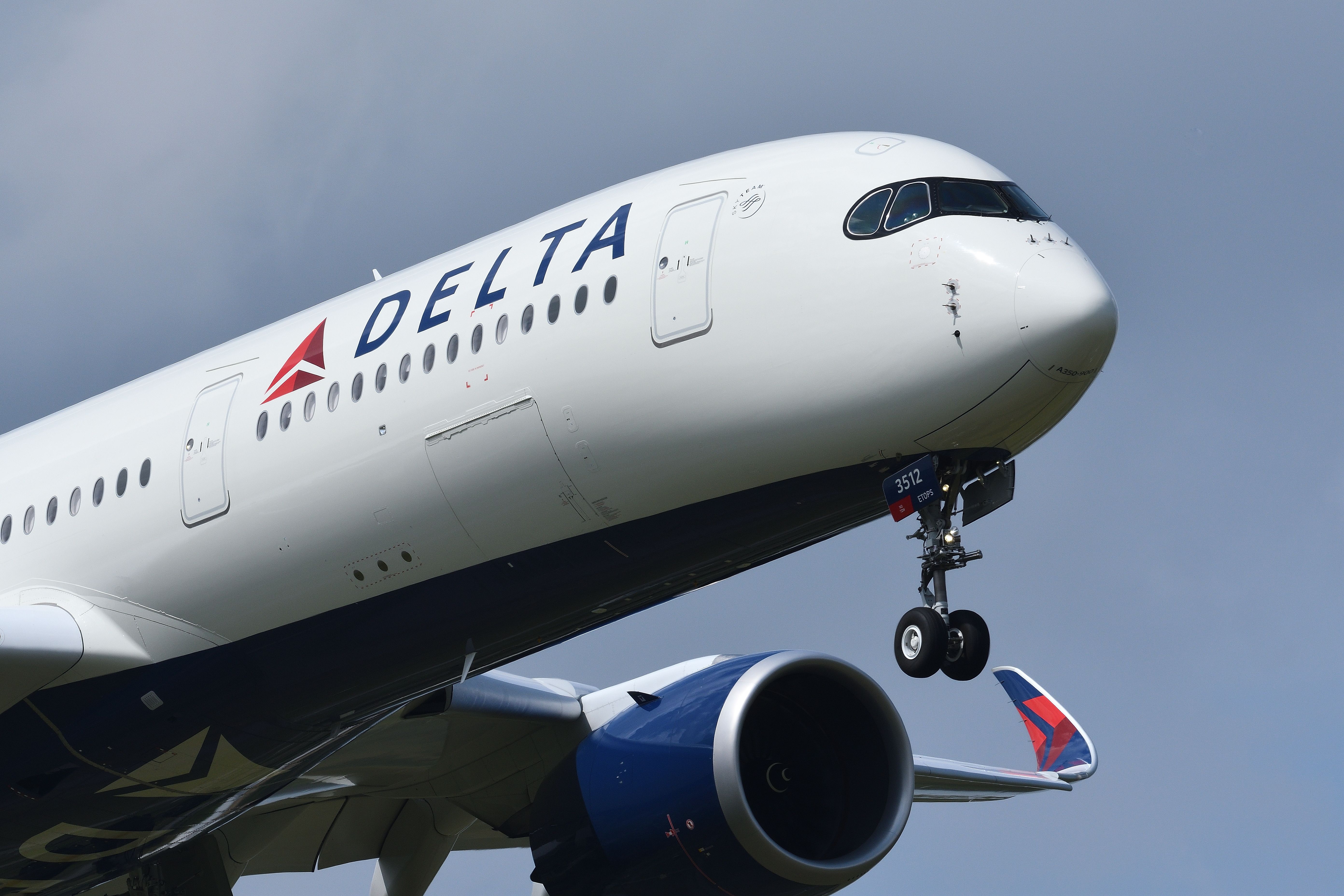
The Boeing 787-10 incorporates a high volume of titanium within its landing gear structure to combat corrosion and reduce weight. This material choice is vital for long-haul operations where every area of weight saved improves fuel efficiency. By utilizing titanium, Boeing ensures that these parts last for decades without needing significant overhauls. It is a far cry from older brakes that would need constant attention from maintenance crews to keep them in the best working order.
Airbus approaches the A350-900 with a balanced mix of high-strength steel and titanium alloys to manage structural loads. While steel provides the necessary stiffness for heavy landings, titanium components are strategically placed to prevent fatigue in high-stress areas. This hybrid strategy allows for a robust gear assembly that withstands the harshest environmental conditions.
|
Material Attribute |
Boeing 787-10 |
Airbus A350-900 |
Maintenance Benefit |
|
Main Strut Material |
Titanium / Steel |
High-strength steel |
A350: High impact rigidity |
|
Axle Alloy |
Titanium |
Titanium / Steel |
787: Supreme corrosion resistance |
|
Weight Priority |
Minimum density |
Structural stiffness |
787: Lower fuel burn |
|
Corrosion Treatment |
Advanced coatings |
Cadmium-free plating |
Environmental compliance |
The use of these advanced materials directly impacts the maintenance schedule for both aircraft. Titanium’s resistance to environmental wear means fewer inspections for rust or surface degradation compared to legacy aluminum designs. The technical shift here represents a significant move toward reducing the total cost of ownership for modern, global widebody airlines. Reducing costs in today’s aviation climate is even more important than ever before, as airlines are being tasked with staying resilient in the face of fuel shortages and economic instability globally.
Semi-Levered Gear System
Avoiding the danger of tailstrikes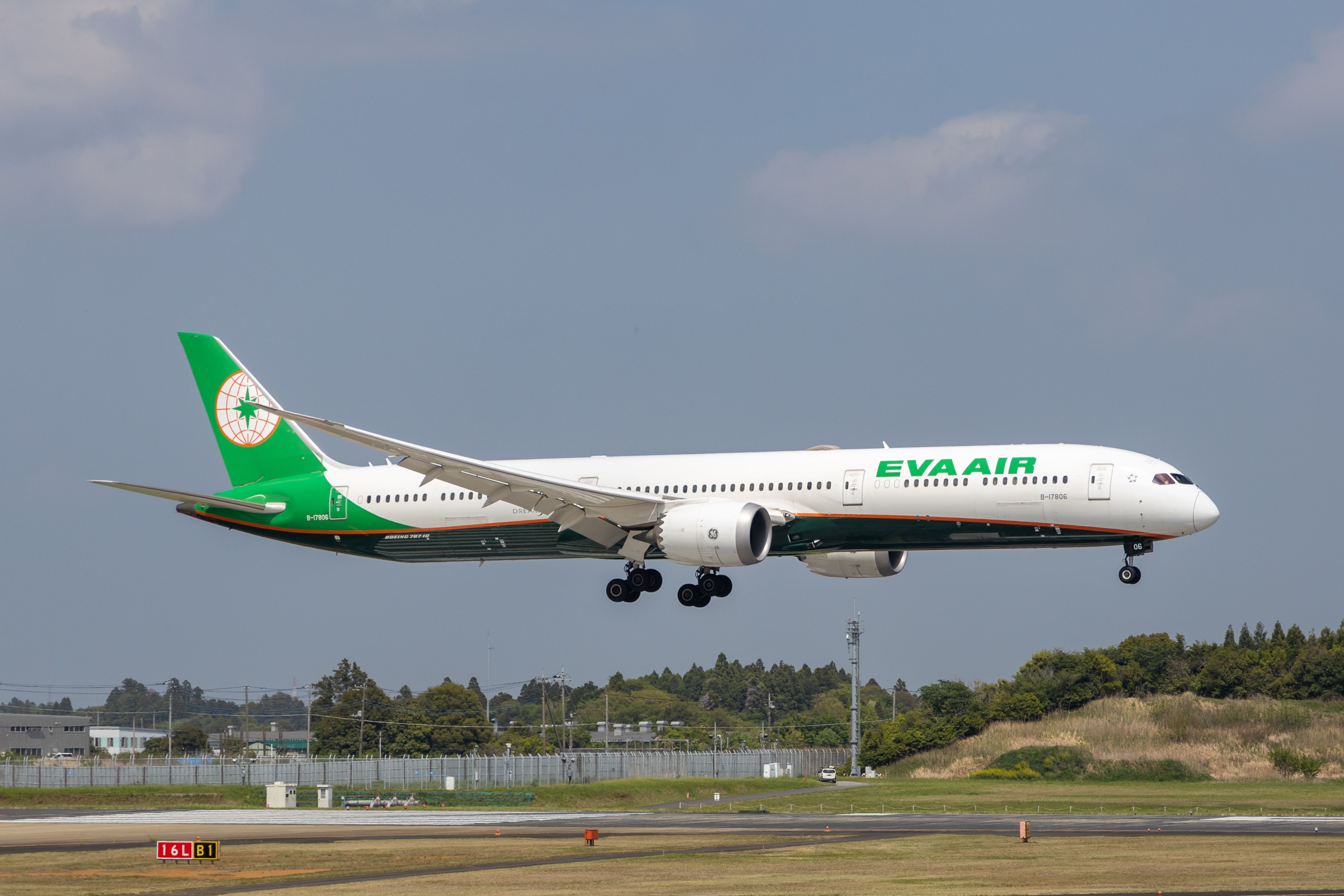
The most critical difference is the semi-levered gear mechanism found on the Boeing 787-10. This system allows the aircraft to pivot on its rear wheels during takeoff, thus increasing the height of the nose. Having this mechanical assist is essential for preventing tail strikes during rotation on the significantly stretched -10 variant airframe.
On the other hand, the Airbus A350-900 uses a standard bogie tilt mechanism, but with a noticeable forward tilt. While it is highly effective, it does not provide the same additional clearance during rotation as the semi-levered system. In an operational sense, though, this difference doesn’t cause any hindrance to the A350 because it has a shorter fuselage compared to the 787-10, meaning it does not require that extra mechanical lift.
|
Feature |
Boeing 787-10 |
Airbus A350-900 |
Primary Benefit |
|
Main Gear Type |
Semi-levered |
Standard bogie tilt |
787: Higher rotation |
|
Pivot Point |
Rear axle |
Center trunnion |
787: Tail protection |
|
Fuselage Length |
224 feet (68.3 meters) |
219 feet (66.8 meters) |
Scale difference |
|
Max Takeoff Weight |
560,000 lb (254,012 kg) |
617,294 lb (280,000 kg) |
A350: Heavier lift |
The engineering distinction here dictates how pilots handle the aircraft during the rotation phase. The semi-levered gear on the Boeing 787-10 allows for a higher takeoff weight on shorter runways by optimizing the lift-to-drag ratio earlier in the climb. This makes it a specialized tool for high-density missions from restricted airfields where precision is required.


![Etihad Airways Axes Airbus A380 Flights On This Major Long-Haul Route [Map]](https://dailynewsnblog.com/wp-content/uploads/2026/05/788-etihad-airbus-a380-dr-david-sing-_-shutterstock-simple-flying.jpg)