dailynewsnblog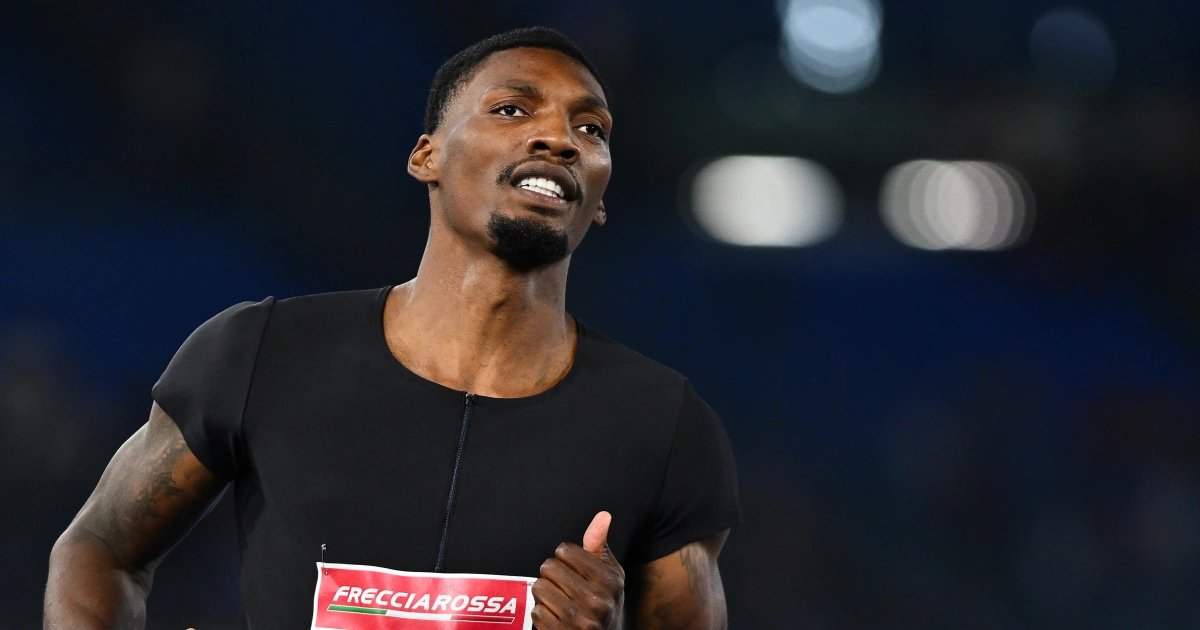
Competing while using banned substances is one of elite sports’ most fiercely protected red lines. But this weekend, in the shadow of a Las Vegas casino, comes a one-day competition that has sparked controversy for unapologetically crossing it.
Subscribe to read this story ad-free
Get unlimited access to ad-free articles and exclusive content.

Denounced by anti-doping agencies and global sports federations but championed by a small cadre of swimmers, sprinters, weightlifters and financial backers, the Enhanced Games will open Sunday following months of headlines. Rather than ban the use of performance-enhancing drugs, organizers of the Enhanced Games have built an entire event, and company, around their use and appeal.
Forty-two athletes will compete. The competitors — who include past Olympic medalists, including swimmers Cody Miller of the U.S., Shane Ryan and Ben Proud and sprinter Fred Kerley — were not required to use drugs to join the Enhanced Games, but they could elect to do so as part of a 12-week trial supervised by the games in Abu Dhabi, where many athletes also trained.
“The old rulebook is gone,” Miller posted last month on social media.
Athletes who elected to compete on PEDs received a custom drug regimen crafted by the games’ medical staff and could pick from drugs across five approved categories, “including testosterone esters, anabolic agents, peptides and growth factors, metabolic modulators, and stimulants,” according to the company. The most popular category of drug taken? Testosterone or testosterone esters, which 91% of the doping athletes used, according to a clinical trial released by the games this week. Human growth hormone was used by 79% of athletes. Of the 42 athletes competing, 36 took part in the trial, of whom 34 used PEDs and two others trained “naturally.”

The games support “safe, responsible, and clinically supervised use of performance enhancements,” not the “indiscriminate use of restricted substances.”
Last year, athlete-led commissions representing both the World Anti-Doping Agency and the International Olympic Committee jointly condemned the Enhanced Games, saying encouraging use of PEDs was “a betrayal of everything that we stand for” and “utterly irresponsible and immoral.”
The Enhanced Games have drawn attention for more than drugs. They’re offering something else that is rarely seen in elite Olympic sports, too — a whole bunch of money. Winners of each event will earn $250,000 as part of a promised prize-money pool of $25 million. Any athlete who breaks a world record Sunday can earn a $1 million prize, the same payout the Enhanced Games paid last year to the Greek swimmer Kristian Gkolomeev when he broke the 50-meter freestyle world record after having taken PEDs as part of a private event sponsored by the Enhanced Games.
Miller, who did not respond to a request for comment, has said he signed on in part because he believed athletes in the Olympics for years have not been offered the level of financial incentives they deserve.
“At the end of the day Olympic athletes don’t get paid a lot of money,” Ryan, one of the most decorated swimmers in Irish history, told Ireland’s RTÉ Sport last fall after he signed up for the games. “I was on 18,000 euro, and that’s below minimum wage for a whole year’s worth and hours and hours and hours. … We don’t make a lot of money, and I did it for over a decade.”
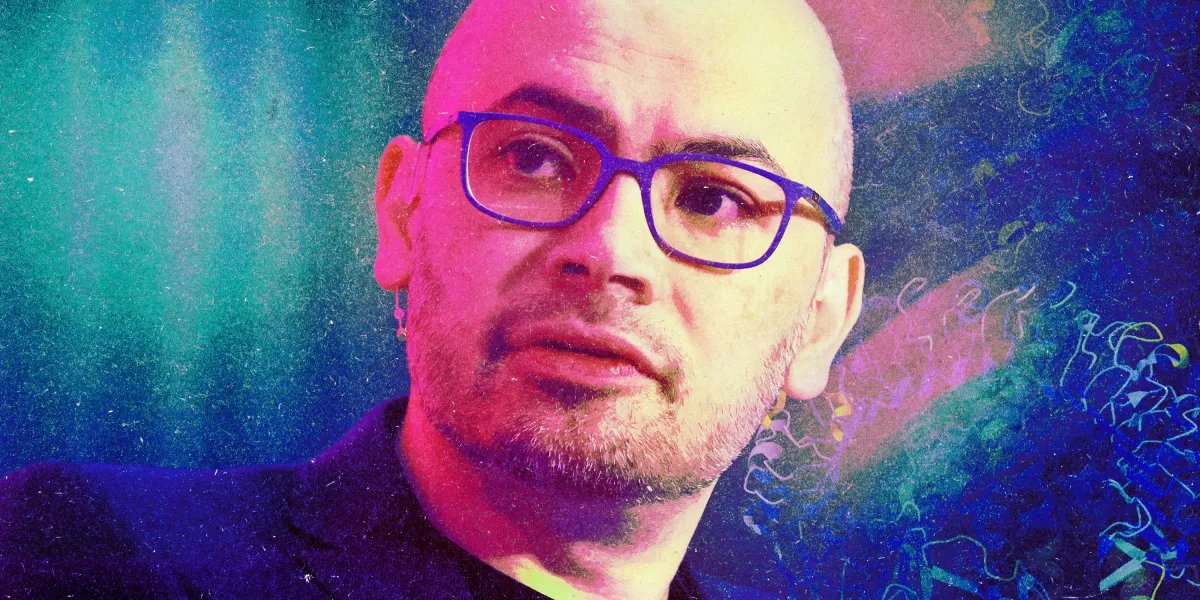
Founded by Aron D’Souza, an entrepreneur on a self-described “mission to build superhumanity,” the Enhanced Games have drawn funding from investments by tech billionaire Peter Thiel and a venture fund backed by Donald Trump Jr. In May, it went public as the Enhanced Group, with officials saying it will host live events and sell telehealth and “performance medicine products.” Its business model appears to hope that the shine from the athletes’ performances in the one-day spectacle will draw in customers interested in trying the same enhancements. Its website already sells products such as “personalized testosterone,” peptides and GLP-1s.
The Enhanced Games began signing athletes not long after a 2024 scandal in which Chinese swimmers were reported to have tested positive for PEDs before the 2021 Tokyo Olympics but were allowed to compete anyway. The Australian swimmer James Magnussen has said he joined in part believing it was “the first time that there has been a level playing field and I can compete against other ‘drug cheats.’”
The World Anti-Doping Agency has called the Enhanced Games “a dangerous and irresponsible concept” that “sends a dangerous message to young people around the world who may wish to follow in their footsteps,” WADA President Witold Bańka said in a statement.
“To the few people who are choosing to participate in the Enhanced Games, athletes, coaches and the medical personnel, I question why they would risk forever tarnishing their reputations by being associated with doping in sport,” Bańka said. “The beauty and popularity of sport is based on the ideal of clean and fair competition. Athletes are meant to represent these values, which must be protected.”
Athletes competing in the Enhanced Games have weighed the potential for huge payouts alongside public pushback. Some have been dropped by their agents. Tristan Evelyn had represented Barbados at the Olympics and holds the country’s records in the 60 and 100 meters, but after she joined, the chairman of the Barbados National Anti-Doping Commission quickly denounced the decision.
“We have to be careful how we deal with these cases,” Dr. Adrian Lorde, the chairman of the Barbados National Anti-Doping Commission, told the Caribbean Broadcasting Corp. “But from the national anti-doping point of view, I would say we are disappointed and we advise persons not to take part in the Enhanced Games.”