dailynewsnblog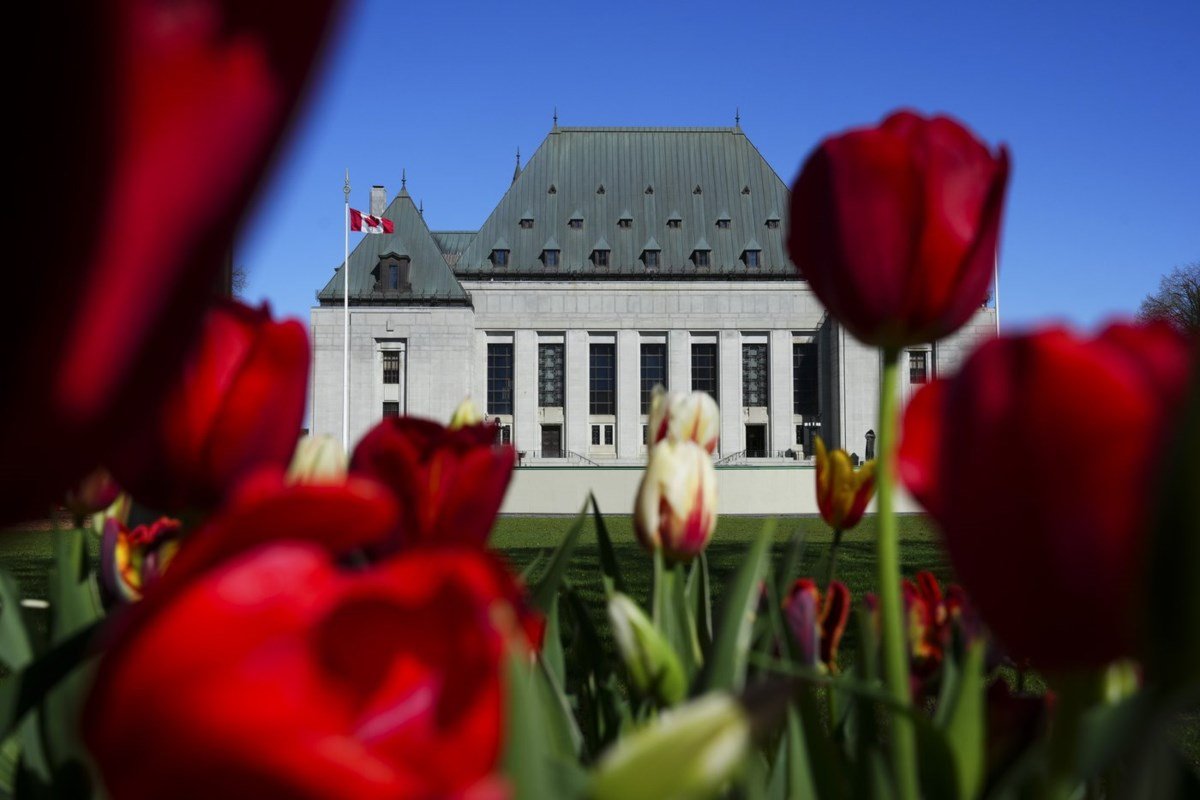

OTTAWA — The B.C. government needs clarity from the Supreme Court of Canada on a landmark mineral rights claim, Premier David Eby says.
OTTAWA — The B.C. government needs clarity from the Supreme Court of Canada on a landmark mineral rights claim, Premier David Eby says. But the lawyer representing the challenger says that they would have preferred the province respect the lower court’s decision.
Eby said Thursday it is very good news that the High Court will hear its appeal of a ruling that found the United Nations Declaration on the Rights of Indigenous Peoples and the provincial mineral claims regime are “inconsistent.”
The B.C. Court of Appeal ruled in December that the provincial Declaration on the Rights of Indigenous Peoples Act, or DRIPA, should be “properly interpreted” to incorporate the UN declaration into the laws of B.C. with immediate legal effect.
That ruling set off the appeal from the province amid concerns that it could cause economic uncertainty.
“Our goal here is clarity for British Columbians, clarity for First Nations partners, clarity for the provincial government,” Eby said at an unrelated news conference outside the legislature. “So, our goal is to get there as quickly as possible.”
Lawyer Jessica Clogg, a member of the Gitxaala Nation, one of two nations challenging the law, said Thursday that the nation wanted the province to respect the Court of Appeal’s decision.
Clogg said the High Court will determine whether the government’s commitments made in the DRIPA are legally enforceable in court or “merely political promises.”
“From the start, B.C. has attempted to deny accountability for its commitment to align laws with Indigenous human rights standards, even going so far as we saw recently to threaten amendments to the declaration act to deny nations access to the courts,” Clogg said.
She said the Gitxaala welcomes the chance to make its case before the Supreme Court of Canada.
“I think what we’ve seen over time is the guidance from the courts has been instrumental in establishing the foundations of Crown-Indigenous relations and really setting the stage for meaningful negotiated outcomes,” she said.
Eby also suggested the possibility of a negotiated settlement.
He said it is very helpful that the High Court will hear the case.
“But that is not necessarily the only way that we could get to clarity and finality on this, and being able to move forward together and address the issues that the court of appeal raised.”
The ruling last December prompted several unsuccessful attempts by government to directly amend or pause key sections of DRIPA to avoid what Eby called legal exposure — attempts that nearly threatened his government’s survival.
Eby said last month that his government won’t be introducing legislation to amend or suspend DRIPA this session, and that government will instead work with First Nations to find solutions as soon as possible before the fall session.
B.C. Attorney General Niki Sharma said the government may still bring forward legislation to amend key parts of DRIPA even as the court process continues.
“We can find a solution together through legislation, and we can seek clarity from the Supreme Court of Canada on these particular issues,” she said.
“I think it’s important to keep all options of resolutions open,” she said.
Such a solution could be reached at the table through the discussions that are happening right now, she added.
Scott McInnis, the Conservative Party of B.C.’s critic for Indigenous relations and reconciliation, said Thursday that the High Court’s decision to hear B.C.’s appeal offers a “glimmer of hope,” but he does not expect a quick resolution.
With no date set yet, a judgment could be years in the future, he said.
“In the meantime, we have seen little or no commitment from this government to actually do something about the tremendous legal uncertainty … around this decision from early December,” he said.
Green Party member of the legislature Rob Botterell said if government had done the work to align provincial laws with DRIPA, neither the initial court decision nor the government’s appeal would have been necessary.
“It is ironic that DRIPA was intended to help move First Nations and government out of the courts, yet the government is now choosing to fight a court decision instead of bringing outdated laws into alignment with DRIPA,” he said.
At the time of the decision the Gitxaala Nation called the decision precedent-setting.
The nation, along with the Ehattesaht First Nation, argued the operation of an automated online registry permitting “free miners” to register claims to mineral rights on Crown land before consulting affected First Nations was inconsistent with the Crown’s duty to consult.
The provincial government passed the Declaration on the Rights of Indigenous Peoples Act into law in November 2019.
The government said the act establishes the UN declaration as B.C.’s “framework for reconciliation.”
Eby said in December that the Court of Appeal decision “potentially puts courts in the driver’s seat instead of British Columbians.”
He said it was “absolutely crucial” that residents of the province, through their elected representatives, remain in control of the process.
Following its usual practice, the Supreme Court gave no reasons Thursday for agreeing to review the case. No date for a hearing has been set.
This report by The Canadian Press was first published May 21, 2026.
The Canadian Press