dailynewsnblog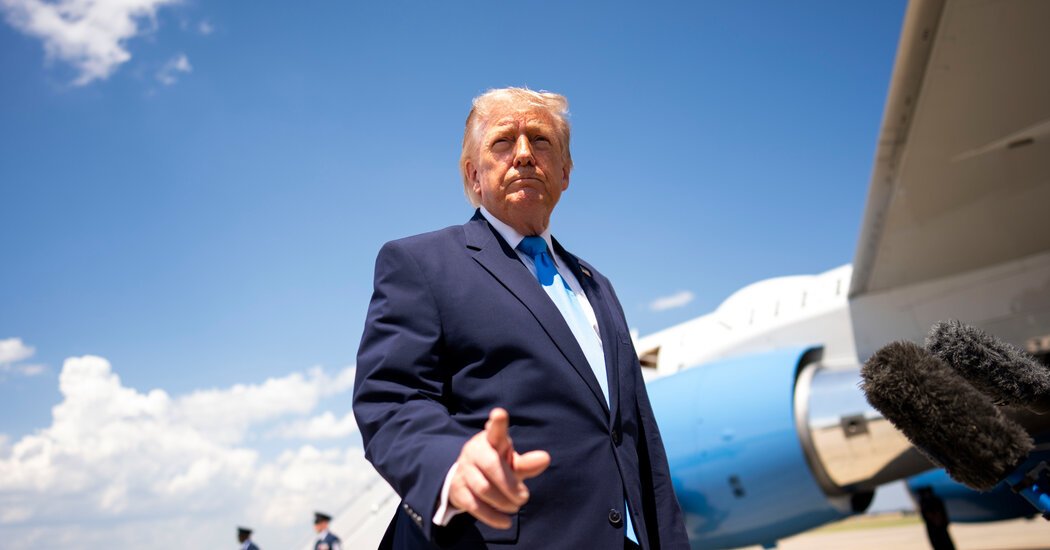
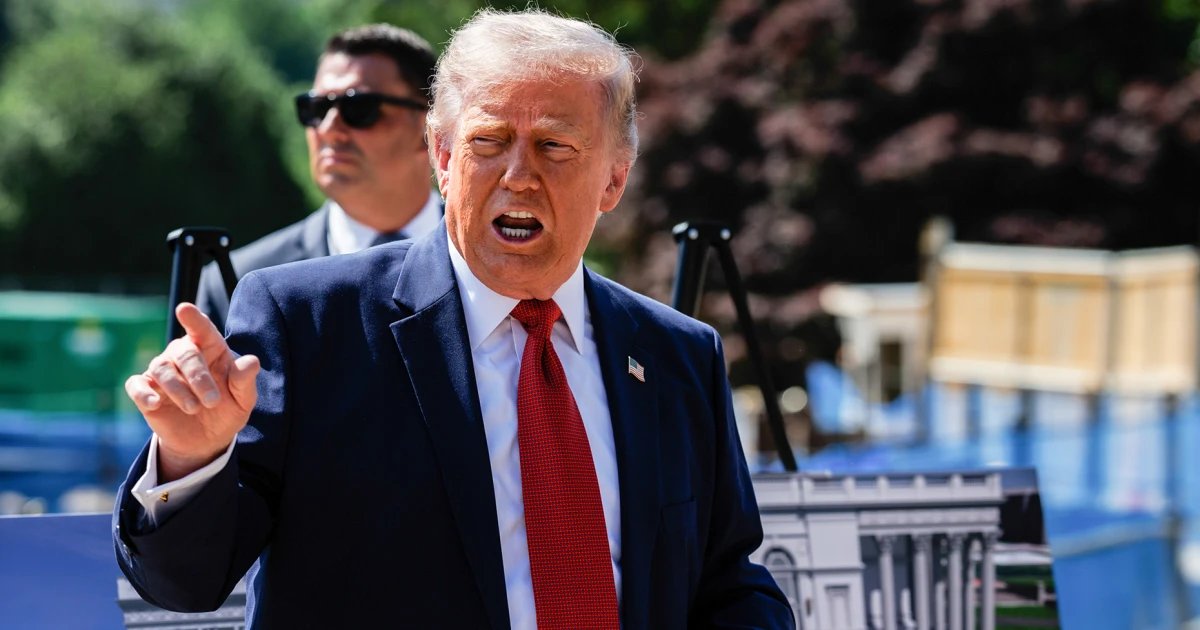
President Trump said this week that he would speak to Taiwan’s president, Lai Ching-te, a move that would break longstanding diplomatic norms and risk retaliation from China.
“I’ll speak to him,” Mr. Trump told reporters when asked whether he would call Mr. Lai before deciding on an arms sale to the self-governing democracy. “I speak to everybody,” he said, adding later, “We’ll work that, the Taiwan problem.”
Responding on Thursday morning, Taiwan’s foreign ministry said Mr. Lai would be happy to speak to Mr. Trump.
It was the second time in a week that Mr. Trump said he intended to speak to Taiwan’s leader. Mr. Trump first raised the possibility while returning from his summit in Beijing with President Xi Jinping of China.
“I have to speak to the person that right now is — you know who he is — that’s running Taiwan,” he told reporters aboard Air Force One after leaving China, in an apparent reference to Mr. Lai.
Mr. Lai’s office has not received communication from the United States regarding a phone call, his senior aide, Pan Men-an, said on Thursday in response to a lawmaker’s question at a legislative hearing in Taipei.
Any such call would infuriate China, which claims Taiwan as its territory and opposes contact between Taiwanese and foreign leaders. It would also mark the first direct dialogue between sitting American and Taiwanese presidents in many decades, breaking with longstanding U.S. practices excluding top-level contacts with Taiwan.
No sitting U.S. president has spoken directly with a Taiwanese president since at least 1979, when Washington severed diplomatic ties with Taiwan as part of recognizing the People’s Republic of China. Even before then, American and Taiwanese presidents generally communicated indirectly through aides or letters and telegrams. Taiwan’s authoritarian leader, Chiang Kai-shek, met President Dwight D. Eisenhower in Taiwan in 1960.
Mr. Trump last spoke with a Taiwanese leader in 2016, when he was president-elect and Tsai Ing-wen, then Taiwan’s president, congratulated him on his election victory by telephone. He was believed to be the first president or president-elect to speak with a Taiwanese leader since 1979.
The call drew surprise and disbelief from China. “We believe it’s a petty action by the Taiwan side,” Wang Yi, China’s foreign minister, said at the time.
On Thursday, Guo Jiakun, a spokesman for China’s foreign ministry, told reporters that China opposed the U.S. arms sale to Taiwan as well as any official exchanges between the two sides. The package includes missiles, anti-drone equipment and air defense systems intended to bolster the island against military threats from China.
During the summit, Mr. Xi warned that support for Taiwan would damage U.S.-China relations. He told Mr. Trump that if China’s concerns over the island were mishandled, the two countries could clash.
After leaving Beijing, Mr. Trump said that he had discussed the arms deal with Mr. Xi and described it as a “negotiating chip” that could be used against Beijing, remarks that raised questions about the reliability of American support.