dailynewsnblog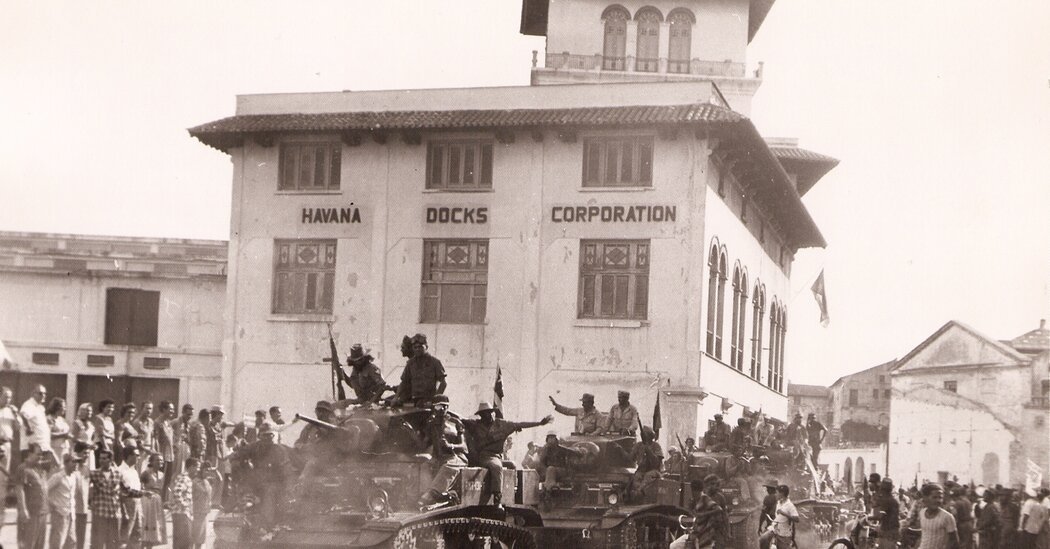
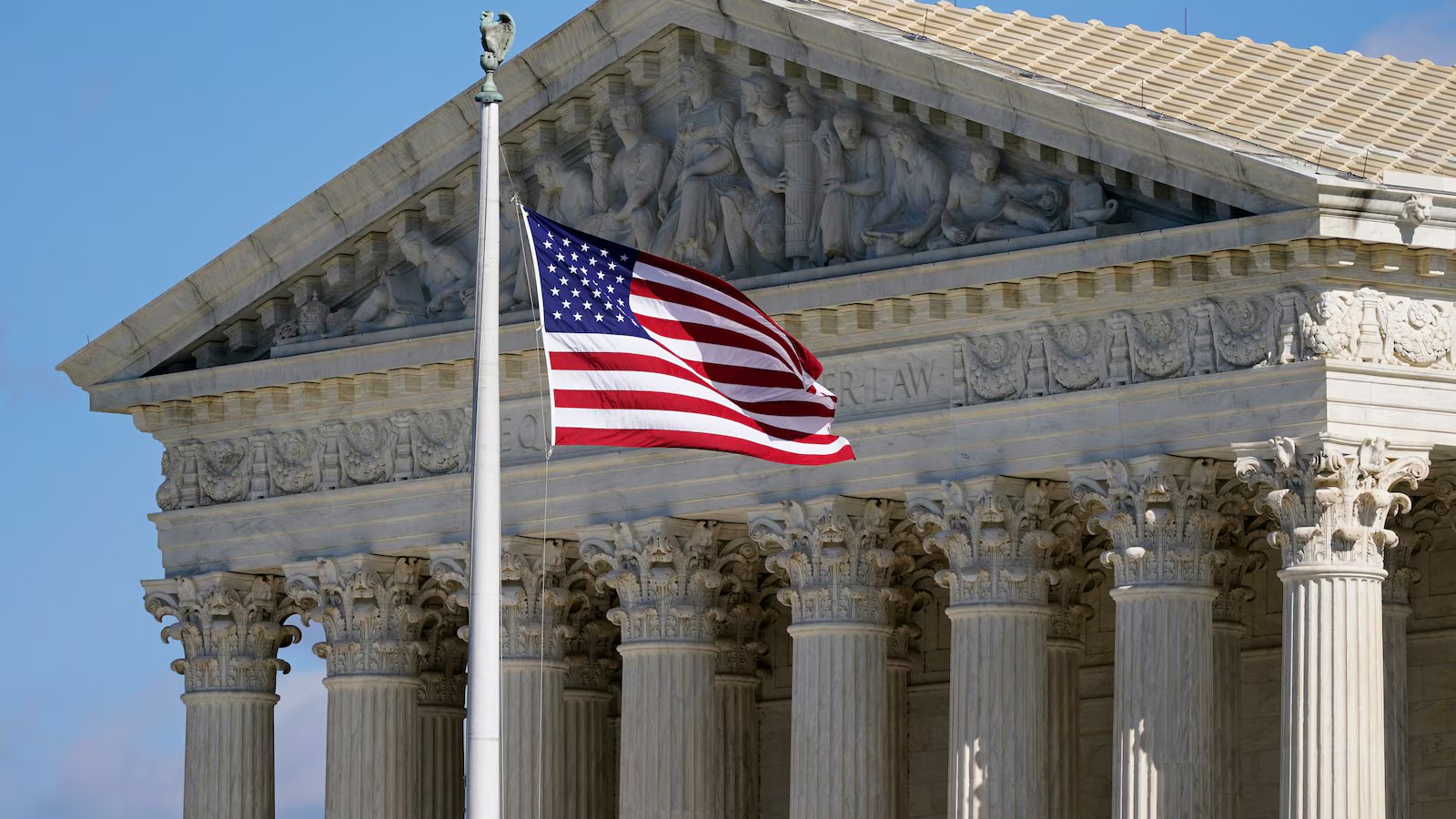
The Supreme Court on Thursday sided with a U.S.-owned port business whose dock front property was seized in 1960 when Fidel Castro came to power and nationalized private property, possibly opening the door for similar claims from American companies and individuals.
The 8-to-1 ruling in favor of the Havana Docks Corporation landed as President Trump was ratcheting up pressure on the Communist country, which has experienced a humanitarian crisis after the United States blocked oil shipments to the island from Venezuela and Mexico.
The Trump administration had backed the U.S.-owned entity, which sued major cruise lines that had been using the confiscated docks. The administration told the justices that lawsuits to allow such compensation, first authorized by Congress in the 1990s, were an important foreign policy tool for discouraging investment in Cuba.
Justice Clarence Thomas, writing for the majority, said those who use property “tainted by a past confiscation” are liable to “any United States national who owns a claim to that property.” Havana Docks, he wrote, only had to show that the cruise lines had used seized property to which the company owned a claim.
Justice Elena Kagan dissented, saying the docks had belonged to the Cuban government all along and that the company’s interest in the property had expired before the cruise lines ever used it.
The court’s ruling may clear a path for other similar lawsuits, but its impact beyond the claims against the four cruise lines was not immediately clear. The justices have not yet ruled in a second, similar case involving Exxon Mobil’s claims over its confiscated oil and gas assets on the island.
Before the Communist revolution in Cuba, U.S. companies owned or controlled 90 percent of the island’s electricity generation, its telephone system, much of its mining industry, sugar cane fields, and many oil refineries and warehouses. When Fidel Castro rose to power more than 60 years ago, he began confiscating the assets of all American-owned businesses. Most were transferred to state-owned companies controlled by the government.
American investors filed claims with the U.S. government through the Foreign Claims Settlement Commission, an agency at the Justice Department. In 1971, the commission certified the Havana Docks Corporation’s claim of $9.1 million, or nearly $100 million adjusted for inflation, which remains unpaid. In total, the commission certified $1.9 billion in claims held by almost 6,000 claimants, or about $9.3 billion in current value, according to the U.S.-Cuba Trade and Economic Council.
In 1996, Congress tightened the U.S. trade embargo after Cuban fighter jets shot down two planes flown by members of the Cuban exile group Brothers to the Rescue. Three U.S. citizens and one permanent resident were killed.
Lawmakers passed the Cuban Liberty and Democratic Solidarity Act, also known as the Helms-Burton Act, which declared that resolution of the property claims were a key condition for restoring economic and diplomatic ties with Cuba. It included a provision that provided a path for Americans to sue in federal court over the “trafficking” or use of assets seized by the Cuban government — now the key issue in the Supreme Court cases.
But the law gave presidents an on-off switch to suspend the provision and block the lawsuits, which were politically and diplomatically controversial. Presidents of both parties had suspended the provision until the first Trump administration activated it in 2019.
That change in policy cleared the way for the Havana Docks Corporation to sue the cruise lines for parking at the docks and bringing nearly a million people to Havana. The company built, owned and operated the port facilities in the early 20th century as part of a 99-year agreement with the pre-Castro Cuban government allowing it to operate the port until at least 2004. When the Communist regime took over and seized the docks, the company still had 44 years left in its agreement.
The cruise industry said that it had acted lawfully by working with the Cuban government and using the docks, and that it was following the lead of the Obama administration, which encouraged travel to Cuba in 2016 during a brief period of renewed diplomatic relations.
A federal judge in the Southern District of Florida ruled against the cruise lines in 2022, rejecting their claim that the use of the docks amounted to lawful travel. The judge ordered the four cruise lines to pay at least $110 million each.
The U.S. Court of Appeals for the 11th Circuit reversed the ruling, finding that the company’s rights to the pier property and operations had a time limit, and would have ended in 2004 under the original agreement with the Cuban government.