dailynewsnblog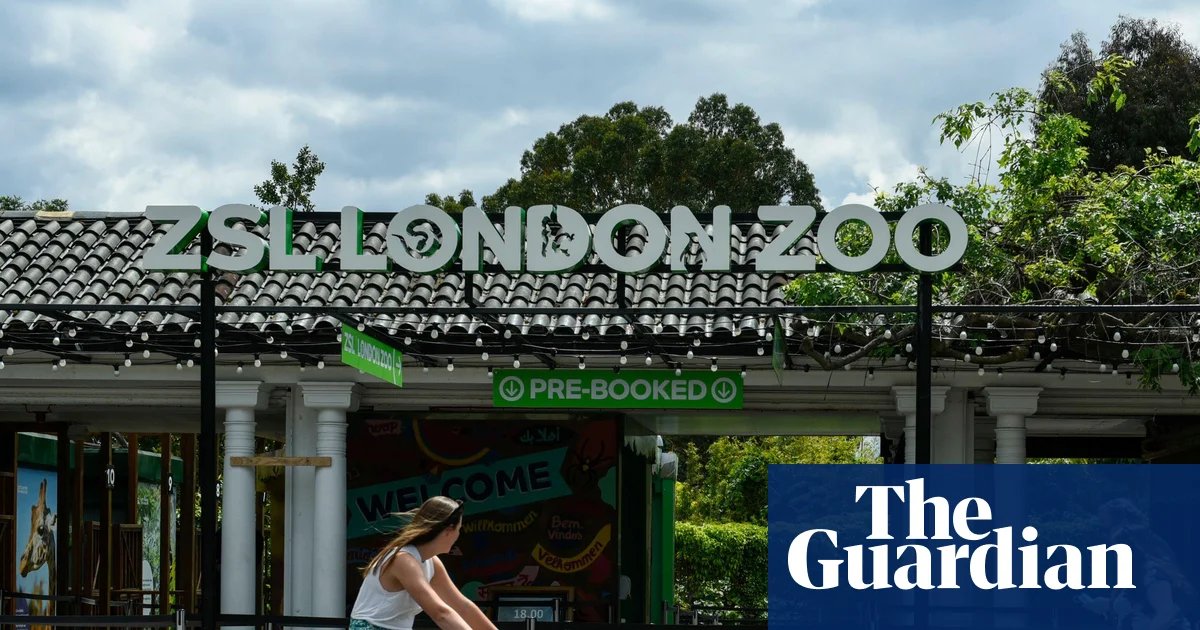
Rachel Reeves will cut VAT to 5% on summer attractions such as theme parks and softplay centres during the school holidays, as she aims to ease the impact of the war in Iran on cash-strapped households.
The chancellor told MPs on Thursday she would also raise more tax from global oil firms operating in the UK, to help meet the costs of her plans.
As well as cutting VAT from 20% to 5% during the summer on tickets for attractions and children’s meals, Reeves confirmed she had postponed the fuel duty increases that were due to take effect in September and December.
The chancellor also confirmed she would suspend import tariffs on some foods, saying: “I expect supermarkets to pass these savings on in full to their customers.”
A more ambitious scheme that would have seen supermarkets commit to fixed prices for staple foods in exchange for the government easing regulatory burdens was rejected by retailers.
Reeves said she would raise by 10p the tax-free mileage rate for workers claiming back the costs of driving, in a move she said would benefit, “those who need to drive for work, from care workers to plumbers”.
The chancellor said the summer attractions that would benefit from the temporary VAT reduction included zoos, museums, theme parks and softplay venues, as well as children’s theatre tickets and meals.
The costs will be partly met by changes to the “foreign branch profits” regime, which determines how multinational oil firms pay tax on their UK operations.
“We must ensure that those who benefit from increased prices and volatility pay their fair share,” Reeves said, suggesting the shift would raise several hundred million pounds.
“Currently, some oil and gas groups that operate overseas through foreign branches have structured their tax affairs in a way which ensures they pay little or no corporation tax on their UK energy trading profits. Today we are putting an end to that practice.”
Reeves kicked off her statement by underlining the strength of the economy before the Iran conflict hit. She pointed out the latest official figures showed the UK economy was the fastest growing in the G7 in the first quarter of the year, at 0.6%.
“We have the right economic plan, but the conflict in the Middle East poses a significant challenge to the world’s economies, including our own,” she said.
Reeves declined to say how she expected to support families in the upcoming winter, when utility bills are expected to rise sharply – but restated her intention to ensure any such scheme would be, “targeted and temporary”.
There will also be some support for industries hit particularly hard by rising energy costs, she said, with £350m set aside for a “critical chemicals resilience fund,” to support what she called, “strategically important producers,” and £120m for the ceramics sector.