dailynewsnblog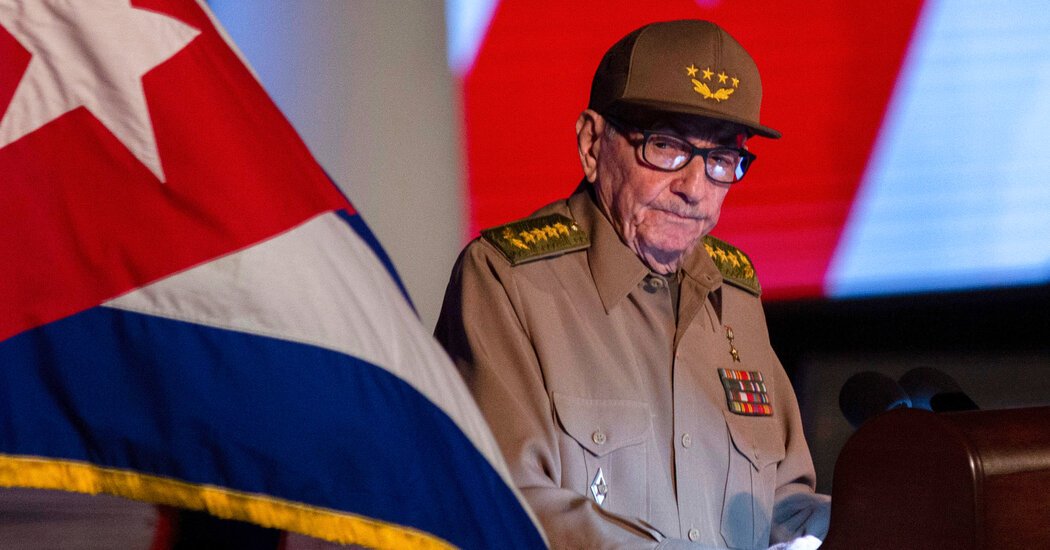
The Justice Department unsealed an indictment on Wednesday charging Raúl Castro, the 94-year-old former president of Cuba and the brother of Fidel Castro, along with five other people with murder and a conspiracy to kill U.S. citizens stemming from the fatal downing 30 years ago of two planes operated by a humanitarian aid group.
The indictment, issued in Federal District Court in Miami, was an extraordinary escalation of the Trump administration’s multifaceted pressure campaign against Cuba’s Communist government.
The charges, which built on an earlier case first filed in 2003, brought to bear on Mr. Castro the powers of the American criminal justice system at a moment of high tension with Cuba. They also laid the grounds for potential action by the military to remove him from the country through a means similar to how U.S. Special Operations forces used an indictment against Nicolás Maduro, the former leader of Venezuela, to swoop into Caracas in a brazen operation in January and capture him.
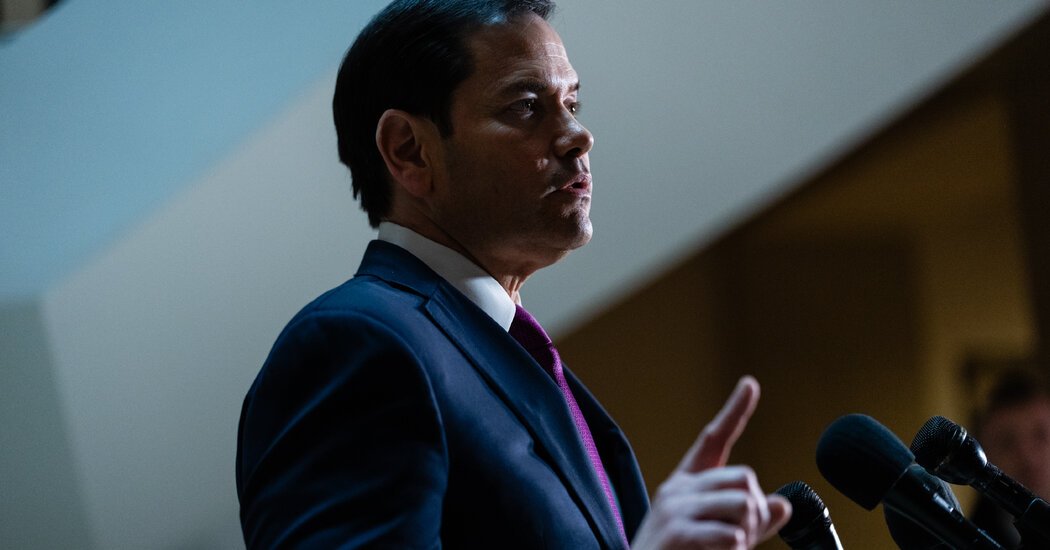
The newly unsealed charges were announced at a news conference in Miami by acting attorney general Todd Blanche and Jason A. Reding Quiñones, the U.S. attorney for the Southern District of Florida.
They accused Mr. Castro and others, including Cuban pilots, of killing four people who died when the Cuban military shot down two planes in 1996 run by Brothers to the Rescue, a Cuban exile group that used aircraft to look for Cubans fleeing the country by sea. Fidel Castro took responsibility for downing the planes shortly after they were shot down, claiming that the organization had dropped anti-regime leaflets over Havana in earlier flights.
In the 30 years since the planes were downed, Cuban American lawmakers, exile activists, survivors of the episode and family members of the victims have called for Raúl Castro, who was minister of defense at the time, to be criminally charged.
“Believe me, the thing which is most true is that for 30 years that has elapsed since then, the delay in justice has been the biggest injustice that has taken place,” José Basulto, who ran Brothers to the Rescue, said in an interview earlier this year.
The Cuban government did not respond to requests for comments. In the past, government officials have stressed that they had tried for months through diplomatic measures to stop the flights.
While the investigation into Mr. Castro had been going on for weeks, Mr. Quiñones chose to unseal the charges on Wednesday. It coincided with Cuban Independence Day, commemorating the end of the U.S. military occupation of the island in 1902.
The indictment of Mr. Castro came at a moment of rising crisis for Cuba as the country’s oil supplies for domestic use and power plants have been exhausted. It also followed an unusual visit by John Ratcliffe, the C.I.A. director, who met with senior Cuban officials, including Mr. Castro’s grandson, about a week ago. In the talks, he warned the government that it had to make economic changes and stop allowing Russia and China to operate intelligence posts on their soil.
Frances Robles and David C. Adams contributed reporting.