dailynewsnblog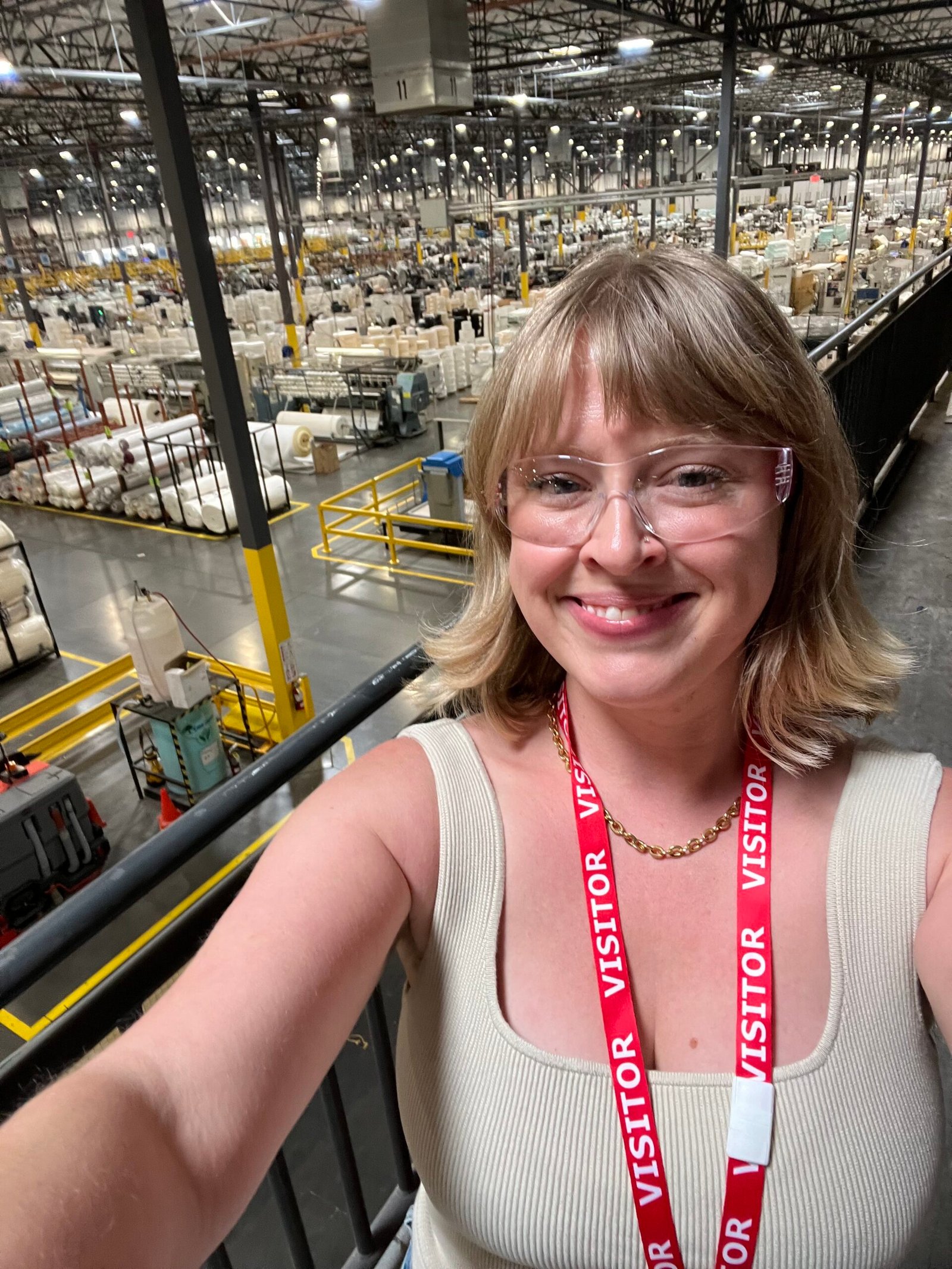
The #1 biohack? You’re sleeping on it.
As I wrestled one of those “cooling mattress pads” onto my bed, I wondered: When did we get so intense about optimizing our sleep? Yes, sleep is essential to our daily lives and our wellness as a whole. But do we really need tubes and cords and water-filled-compartments to sleep a little better?
It’s the law of diminishing returns; once we’ve optimized things to a certain point, there’s less we can do to make it better — even marginally. So why don’t we start at the very base? I’ve been learning about (and sleeping on) nontoxic mattresses for a decade, and I’ve been touring the factories to learn more about this essential building block. Because once you have the right mattress, you’ll be sleeping right — and you can add accessories from there.
“Once we’ve optimized things to a certain point, there’s less we can do to make it better — even marginally. So why don’t we start at the very base? Once you have the right mattress, you’ll be sleeping right.”
Over the past two months, I’ve been to Chicago, Phoenix, Cleveland, Fullerton, and Camarillo, where I’ve visited factories that produce ten of our top favorite mattress brands. I’ve spent dozens of hours on the factory floor with folks from decisionmakers to inventory managers to tape-edgers and tufters (who are specialized crafters that mattress-makers seek out and poach from larger brands).
I’ve interviewed founders, engineers, product developers, sourcing experts, and from-the-cutting-floor mattress makers in my travels and there’s one thing I’ve learned: People who care about creating better sleep products are the real deal.

It’s been a whirlwind, to say the least. Last minute, I re-booked flights to avoid overnight layovers, been proposed to at 4AM by a rideshare driver, taken a Waymo to the wrong address (west versus east, am I right?), walked through TSA at least half-a-dozen times, had at least two existential crises, and missed one flight because I was talking about mattress recommendations with another passenger. I caught a cold in Phoenix where it was 100°, and a few days later found myself caught in a tornado lockdown on the coast of Lake Erie in Cleveland, where the temperature dropped to 34°.
But honestly? It’s been a dream. And I don’t mean that as a sleep pun — I’ve learned so much about mattresses and the industry that I can’t help but sharing with everyone I know. Here’s what I’ve learned:
“The real sign of a good mattress is waking up rested enough that you want to get out of bed. Find an option that feels genuinely comfortable for your body.”
1. The real biohack is a well-built mattress
I’ve been trying to get better sleep for [insert forever], and my biggest lesson is that your sleep doesn’t come from gadgets, but from the surface you’re on every single night. Once you’ve invested in a mattress that’s thoughtfully made and actually supports your body, everything else becomes optional.
I used to think the sign of a good mattress was not wanting to get out of bed; now I’ve learned the real sign is waking up rested enough that you want to get out of bed. Find an option that feels genuinely comfortable for your body, give it a try, and take advantage of the return window if it’s not working — it’s worth it to troubleshoot.
2. Simple materials are doing big work
On paper, many of the beds I saw looked straightforward: springs, cotton, wool, latex. No mystery gels, no crystal-infused-materials, no space‑age names (or weird NASA ingredients that make no sense on earth). But walking through factories with engineers, merchandisers, and founders, layer by layer, made it clear that “simpler materials” doesn’t mean the work is simple; there’s a lot of intentionality in how those layers are stacked and how the coils are designed.
It often comes down to the springs — they vary within your mattress to provide different kinds of support. Coils get narrower and denser around the perimeter so you don’t feel like you’re falling off the bed (especially when you’re sharing it — or having some fun in it 😜). I’ve also become way more aware of edge support for that reason. The weight, structure, and balance of plushness are all carefully engineered to offer the right amount of support, resistance, and comfort depending on how you sleep. It’s so much more thoughtful than a single slab of foam with no zones.
3. Mattresses are still made by craftspeople
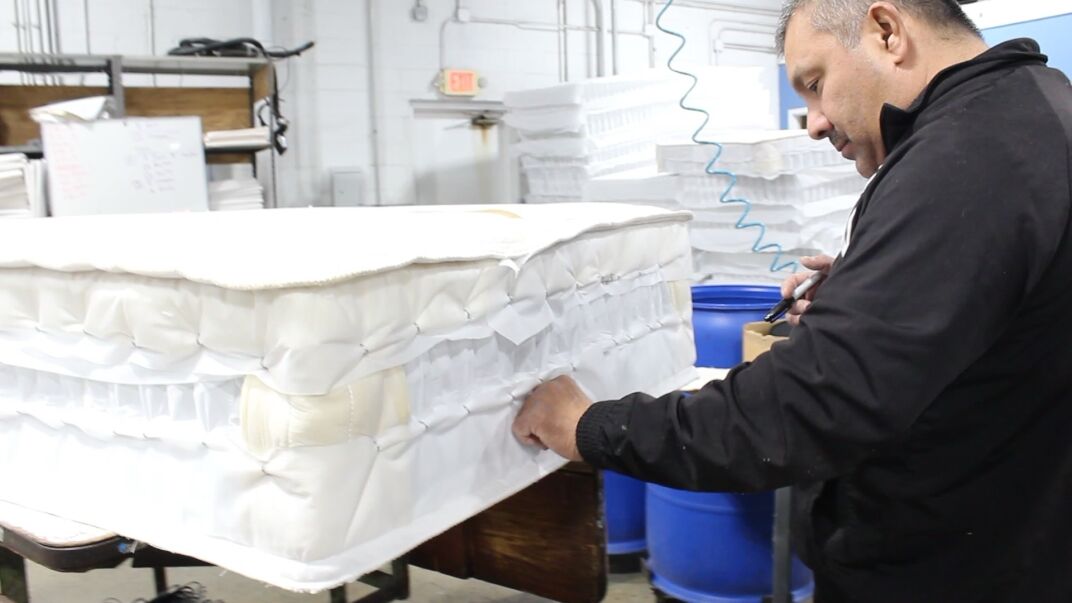
Some of my favorite moments were with the people who actually build these beds. I met multigenerational mattress makers who still talk about springs and stitches like they’re old friends, and teams who lit up when they showed me a new quilting setup or a smarter way to tuft. In one factory, I watched tape‑edgers guide these huge, heavy mattresses through their machines with an ease that only comes from years of doing the same motion, over and over.
I think a lot about how our personal choices show up in their daily lives; our decisions to choose less toxic options reflect in the day-to-day of the makers. It’s like getting my nails done: I’m around those polishes and removers for an hour every other week, but my nail tech is breathing them in and touching them all day long. The same is true for mattresses — when we make more intentional, less‑toxic choices for our own homes, we’re also sending a signal that we care about safer processes and healthier environments for the people who make our things.
“When we make more intentional, less‑toxic choices for our own homes, we’re also sending a signal that we care about safer processes and healthier environments for the people who make our things.”
4. Our mattress consumption is staggering
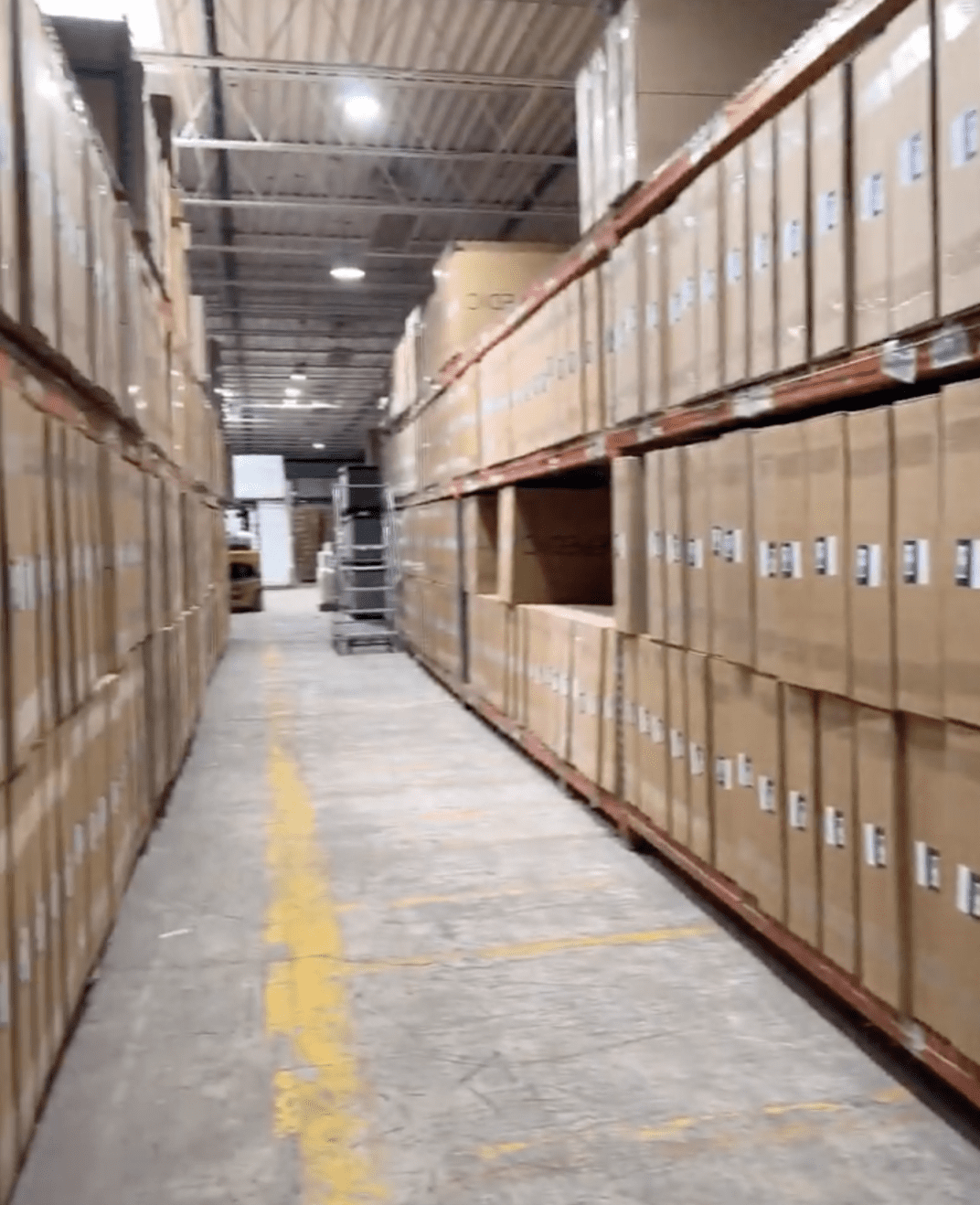
Across the factories, I heard daily production numbers like 40, 200, even 3,000 mattresses — just from a single facility. Walking past row after row of wrapped beds, stacked higher than me, made me pause. On a personal level, a mattress feels intimate: it’s your back pain, your dreams, your eight‑ish hours a night. But zoom out, and it’s also one tiny part of a huge, churning system of stuff.
Seeing that scale up close shifted how I think about replacement. I would hope even a more “generic” mattress can last eight to ten years, and I think it’s reasonable to expect a decade or more from a well‑made bed. That means actually looking at warranties, noticing how your mattress is holding up, and paying attention to your own body instead of following a strict calendar rule. And when it really is time to let go, it’s worth putting in a little extra effort to recycle or responsibly dispose of it—even though mattresses are notoriously annoying to get rid of.
5. What’s good for your body is usually good for others
The more I talked with founders and sourcing teams, the more I noticed a pattern: when materials are gentler on the sleeper, they tend to be gentler on the people and places that touch them along the way. At the same time, I never want “perfect” to be the enemy of “better,” especially when budgets are real and life is happening.
“Mattresses are the one instance I think that payment plans (a la layaway) are helpful. If you’re used to making a monthly payment on a car, you should consider mattresses in the same way.”
If a fully organic mattress isn’t accessible right now, there are still meaningful steps you can take. First and foremost, this is the one instance I think that payment plans (a la layaway) are helpful. If you’re used to making a monthly payment on a car, you should consider mattresses in the same way. You can also focus on a few certifications that matter to you instead of chasing a unicorn bed (check out our faves here).
The biggest, most approachable shift? Add a layer or two between you and your existing mattress: a latex or natural topper, or organic or natural-fiber sheets can make a difference because those are the materials right up against your skin. I genuinely believe that if you’re getting great sleep on a mattress you’ve had for years, you don’t have to toss it on principle — upgrading skin-contact fabrics and layers is a great place to start.
6. Asking better questions changes the shopping experience
After watching mattresses being built layer by layer, I’m much more comfortable being “that person” when I shop. I want to know what’s actually inside a mattress, not just the marketing name for the foam. In a showroom or on a website chat, I’ll ask things like: What certifications are in the layers of this mattress? What certifications does it have as a whole? Is this the right comfort for how I sleep — side, back, stomach, or a combination? And what’s the realistic longevity of this mattress, in years, and the rough cost‑per‑night based on that?
I also saw firsthand how teams are listening and iterating: updating more eco‑friendly foams, redesigning models after customer feedback, shifting away from certain plastics in packaging. With all this in mind, it’s worth even asking what the brand’s return rate is!
Curiosity isn’t annoying; it’s part of the loop. As I’ve said, mattresses are one of the few purchases where a payment plan might really be worth it; ask the brand what options and what discounts they might have on deck to help make it all more affordable.
7. If you can visit a factory, go!!
You absolutely don’t have to visit a mattress factory to be a thoughtful shopper. But, I do think visiting any factory is one of the most grounding ways to understand how things are made — the processes, the people, and the layers involved in creating something we usually just click “add to cart” on. In the mattress world especially, I’ve been struck by how passionate folks are about what they do; if you have a local mattress maker or manufacturer in your city, it’s worth reaching out.
“Visiting any factory is one of the most grounding ways to understand how things are made — the processes, the people, and the layers involved.”
If that feels intimidating, start small: email a nearby factory or even a mattress showroom and ask if they ever host tours or if they can connect you with someone from a brand you’re curious about. If it’s impossible to speak to anyone from a brand — no conversations, no transparency — that’s a bit of a red flag to me.
And if they say yes? Wear closed‑toed shoes, grab safety glasses if they offer them, and know you’re in for a ride. As dramatic as it sounds, walking those floors has been genuinely life‑changing for me; it’s made me think about every step of every process that goes into every single item in my home, from mattresses to denim to supplements to shoes. That’s ultimately why I encourage people to go to a mattress factory — but more than that, to any factory — just to see how many hands touch the things that end up in our homes.
Emily McGowan is the Editorial Director at The Good Trade. She studied Creative Writing and Business at Indiana University, and has over ten years of experience as a writer and editor in sustainability and lifestyle spaces. Since 2017, she’s been discovering and reviewing the top sustainable home, fashion, beauty, and wellness products so readers can make their most informed decisions. Her editorial work has been recognized by major publications like The New York Times and BBC Worklife. You can usually find her in her colorful Los Angeles apartment journaling, playing with her two cats, or crafting. Say hi on Instagram or follow along with her Substack, Pinky Promise.