dailynewsnblog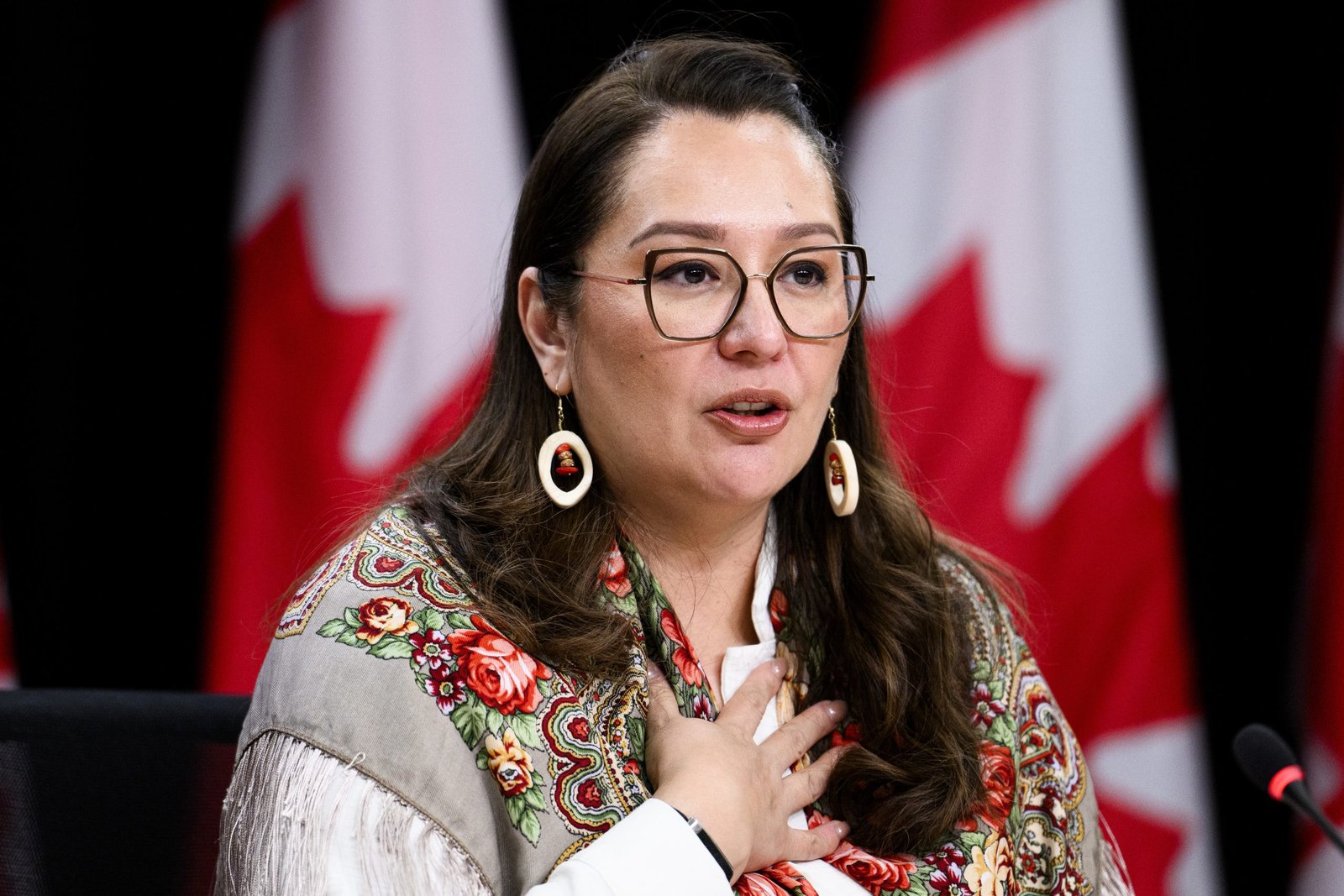
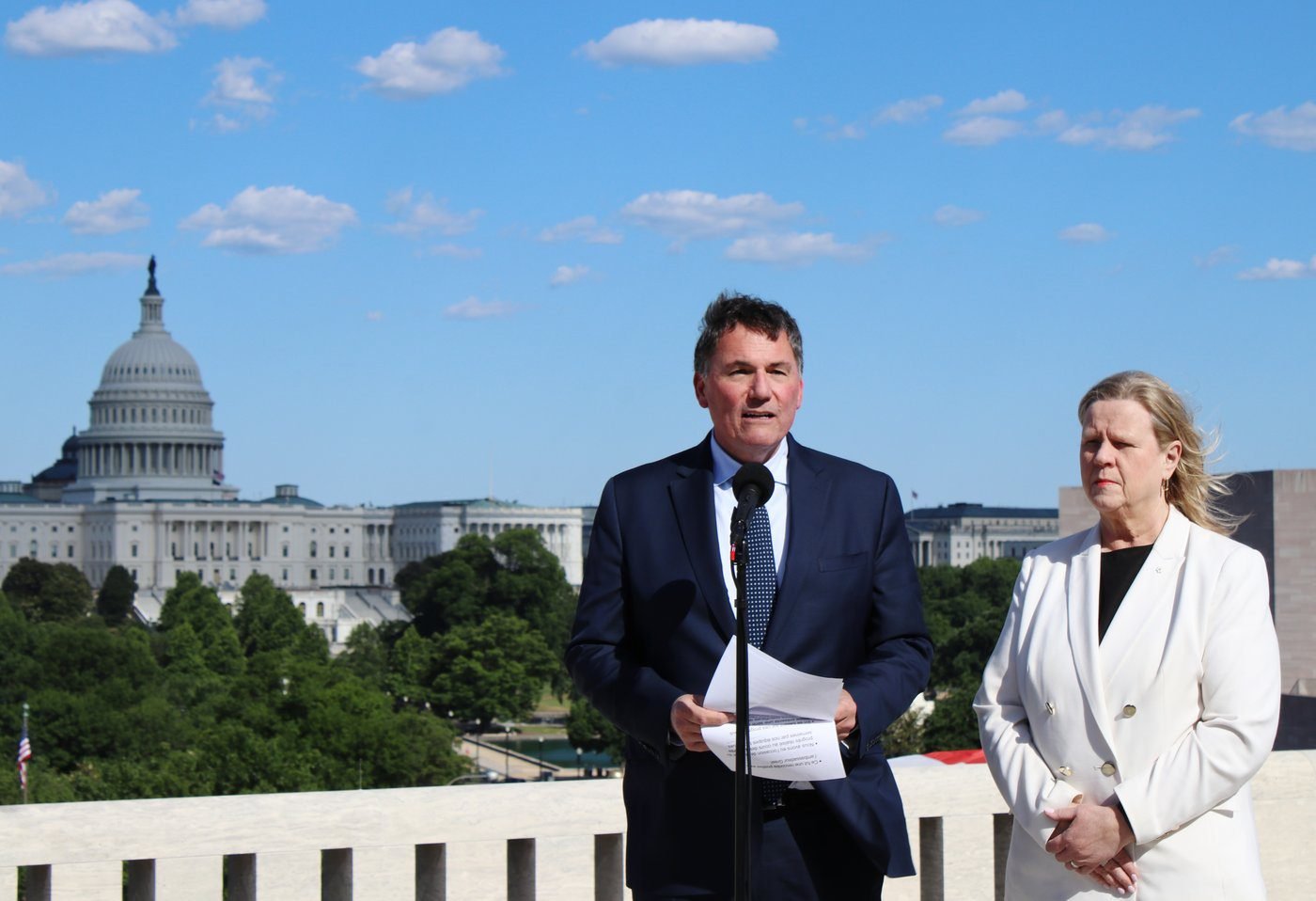
“We have a government that says they’re all about reconciliation and they’re really all about platitudes. The courts are now looking back on their meaningless statements about the things that they want to do,” said Conservative MP Billy Morin.
Opposition MPs are urging the Liberals to reverse course and accept Senate changes to Bill S-2 after the government lost a bid for more time to pass the legislation to comply with a court order.
As iPolitics exclusively reported on Monday, the B.C. Supreme Court rejected Ottawa’s application to delay the deadline to implement the terms of the Nicholas ruling until October.
That bill would make changes to comply with last year’s B.C. court decision, which ordered Ottawa to restore Indian status to the descendants of enfranchised First Nations peoples.
READ MORE: Feds lose bid for court extension of Nicholas ruling
Ottawa was requesting a six-month extension. A request last month to extend the deadline to the end of May to wait for the decision was granted.
The feds have 30 days to appeal. If that period elapses with no further extension granted, the Nicholas ruling will go into effect.
The government argued in its application that more time was needed because the Senate made changes to S-2 that would end the second-generation cutoff, a rule that denies Indian status to people who had a non-First Nation parent and grandparent.
Indigenous Services Minister Mandy Gull-Masty said she supports changing the policy, but needs to consult with First Nations before proceeding.
Her office told iPolitics in a statement on Tuesday that the government is “reviewing the ruling and will provide further updates shortly.”
“Canada acknowledges the decision of the Supreme Court of British Columbia in the Nicholas case. We recognize that the enfranchisement provisions of the Indian Act are unconstitutional and that these provisions caused profound and lasting harms for First Nations individuals, families, and communities by denying identity, rights, and belonging.”
Bill S-2 is currently before the House Indigenous and Northern Affairs committee. It’s unclear when the bill will move to clause-by-clause review.
Conservative MP Billy Morin, who sits on the committee, said the government needs to show it takes its commitment to reconciliation seriously by supporting the Senate amendments.
“We have a government that says they’re all about reconciliation and they’re really all about platitudes. The courts are now looking back on their meaningless statements about the things that they want to do,” he said.
“I think the government really needs to pause and reflect on it to be more serious and to take action when it comes to reconciliation, not just saying it.”
NDP MP Leah Gazan said the government was using the consultations as cover, noting the Liberals didn’t seek out Indigenous input when passing its major projects law last spring.
“The UN expert mechanism on the rights of Indigenous people said the government needs to get rid of the second generation cutoff. Their continual discrimination against First Nations women is now being noted by the international community, and it’s an absolute embarrassment,” she added.
Amendments to the Indian Act made in 1985 ended the practice of enfranchisement, whereby First Nations people who wanted to own land, vote or enjoy other rights had to give up their status. But it didn’t allow people whose ancestors were enfranchised to obtain status or pass it down to their descendants.
The Liberals introduced legislation in 2022 to repeal this rule but it died on the order paper when Parliament was prorogued in early 2025.
Then last summer, the B.C. Supreme Court struck down the existing rules for violating the Charter and ordered the government to restore status to descendants of those had been enfranchised.
The Liberals responded by introducing legislation to do just that in the Senate last year. Bill S-2 was virtually identical to the previous legislation brought in by the Trudeau government — at least at first.
But senators amended the bill to end the second-generation cutoff, and allow status to be passed on to a child if at least one of their parents were recognized as having status.
Gull-Masty has repeatedly said the one-parent rule isn’t unanimously supported by First Nations and consultations were needed before undertaking this significant change.
She said one of her first decision as minister was to “expedite the collaborative consultation process,” and she expected that work to wrap up soon.
“Any work that we do in second-generation is not about whether or not we address it. The question is about how do we address it and what does community determine that next step looking like,” Gull-Masty said earlier this month.
Starting next Monday, the House of Commons is scheduled to sit for four consecutive weeks before rising for the summer recess. However, the government could decide to rise early.
If they wanted, the Liberals could use their new majority to quickly strip away the Senate amendments.
Liberal MP Lori Idlout told iPolitics earlier this month that she’s “moving towards” supporting the government’s position on Bill S-2 despite backing the Senate amendments when she was a member of the NDP.
Since crossing the aisle, Idlout said she’s “definitely learned a lot more” about the government’s position, and added that she’s also received assurances from Gull-Masty that the second-generation cutoff will be addressed in separate legislation.
READ MORE: Idlout says she’s ‘moving towards’ supporting the Liberal government’s position on S-2
When asked by iPolitics earlier this month about timelines for a separate bill, Gull-Masty said she wanted to wait until consultations wrap up over the summer and turn her attention to next steps in the fall.
“I’m going to see, but I’m very committed to do this in an expeditious way.”