dailynewsnblog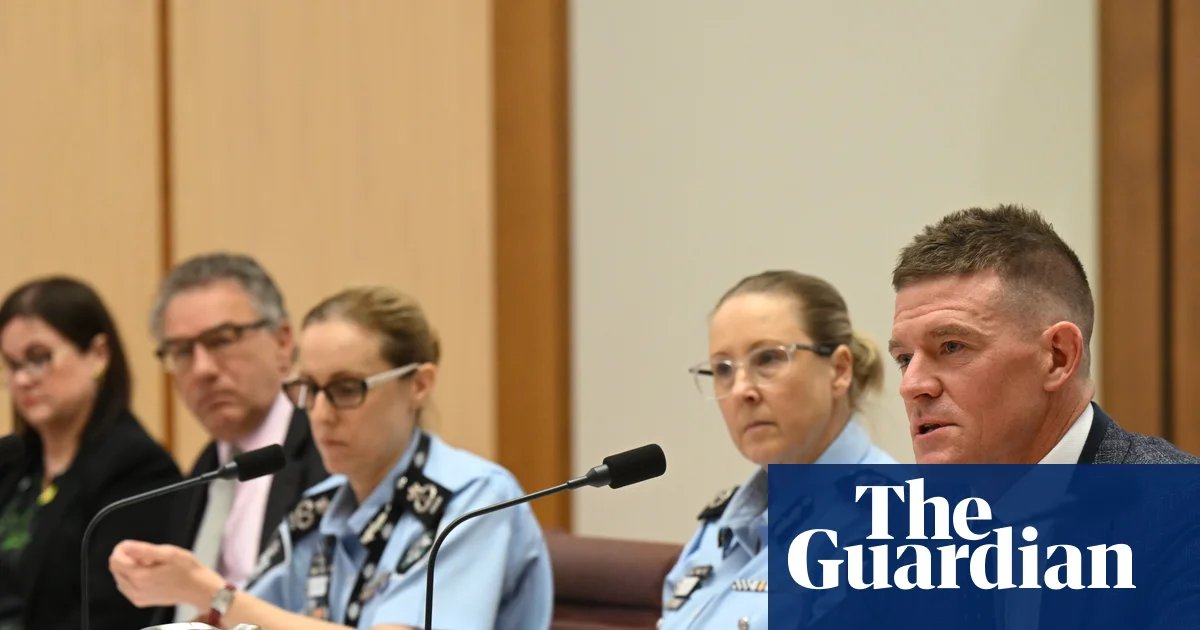
Police are struggling to store a growing wave of illegal cigarettes and vapes seized from criminals, with secure facilities at capacity and the high cost of destroying illicit products becoming prohibitive.
The Australian federal police (AFP) has been spending as much as $13 a kilogram for vapes to be destroyed, with some companies requiring the cartridge, battery and heating element to be manually dismantled.
Destruction of a standard 550kg pallet can cost more than $7,150.
AFP officials told a parliamentary inquiry into the booming illicit tobacco trade that storage facilities in Australia were at capacity and the cost of destruction of illegal stocks was putting major pressures on law enforcement efforts.
“For large-scale seizures, these costs quickly become prohibitive, underscoring the increasing pressure on law enforcement resources and the need for more efficient, innovative storage and destruction solutions,” the AFP told the inquiry.
“There are opportunities to reshape the roles and responsibilities of commonwealth agencies responsible for seizure, storage, movement and destruction of tobacco and other drugs, noting current issues where AFP drug storage facilities are at full capacity and are costing the commonwealth to continue expanding storage facilities.”
The Illicit Tobacco and E-cigarette Commissioner has told the inquiry about 2.66bn illegal cigarettes have been seized in Australia, along with 510 tonnes of loose leaf tobacco products and 7.5m e-cigarette products, since 2016.
But the illegal industry has been growing rapidly.
Illicit tobacco trade has cost the federal budget $6bn in lost excise in less than six months. The Albanese government’s mid-year budget update in December forecast tobacco excise would raise about $5.5bn in 2025-26.
By the time of last week’s federal budget, that figure had dropped to $4.1bn. Treasury expects it to fall to $2.1bn by mid-2030.
A hearing in Canberra on Monday was told criminal gangs were using money laundering systems to handle billions in profits from illegal cigarettes, including converting dirty cash into cryptocurrency to evade police.
Profits from illegal tobacco has also been fuelling broader criminal activity, including drug trafficking, firearms offences, assaults, corruption and worker exploitation.
More than 200 firebombings and three deaths have been linked to the illegal trade in since 2023.
Anthony Helmond, the manager for law enforcement at financial watchdog Austrac, said the banking sector was reporting remittance providers and privately owned ATMs being used to move funds to pay for illegal tobacco stock.
“These are ATMs that are not affiliated with banks, that can be leased and used by individuals or businesses,” he said. “Often the proceeds can be placed back into those machines.”
Some banks have opted not to hold accounts for individuals believed to be linked to the illegal tobacco trade, with at least 1,000 accounts already closed.
Guardian Australia revealed the inquiry had held a secret hearing for Philip Morris executives, ending more than 15 years of precedent under Australia’s participation in a World Health Organization agreement.
Company representatives appeared in secret at the first committee hearing and their names were withheld from public transcripts.
The independent MP Monique Ryan has put forward a private member’s bill to create new illegal tobacco offences and ban political donations from tobacco manufacturers.
The Labor and Liberal parties no longer accept donations from big tobacco companies, but the Nationals have no such ban.
“The tobacco industry’s current push for a 50% cut in tobacco customs duty is an influence campaign worth potentially $2.3bn annually to the three major multinationals,” Ryan said.
“When commercial actors of that scale are able to make political donations, the risk of policy capture is obvious.”