dailynewsnblog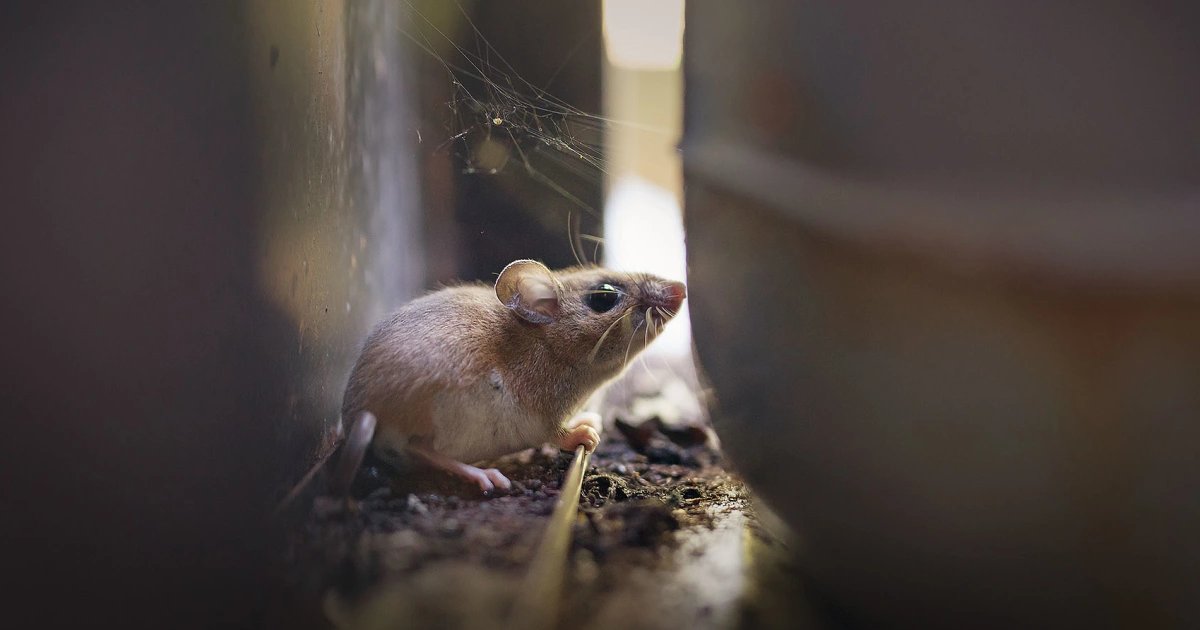
A recent suspected hantavirus case in Illinois is a stark reminder that the potentially deadly virus does exist in the U.S.
Subscribe to read this story ad-free
Get unlimited access to ad-free articles and exclusive content.

There are currently no cases of hantavirus in the U.S. that are linked to the MV Hondius cruise ship outbreak. The Andes strain of hantavirus that killed three passengers hasn’t been found in North America.
There is a type of hantavirus here — predominantly the Sin Nombre virus — that causes a potentially fatal lung syndrome that is raising concern.
It’s spread from rodents to people, typically when urine, saliva or feces particles containing the hantavirus get into the air. Arizona has one of the highest numbers of infections in the U.S., but recent research has identified at least three states that are emerging as hantavirus hot spots in the U.S.
As many as 15 different kinds of rodents — including the deer mouse — that carry hantavirus are most commonly found in Virginia, Colorado and Texas, according to scientists at Virginia Tech’s department of fish and wildlife conservation. Through blood samples, the study, which was published in the journal Ecosphere, identified six new species of rodent as potential hosts for the virus.
These include rodents in eastern states, where human cases of hantavirus are exceedingly rare.
“We see human cases in states like New Mexico, but if you want to capture a rodent that is infected, Virginia emerges as a hot spot,” said Luis Escobar, an associate professor in Virginia Tech’s fish and wildlife conservation department.
Escobar said he began the research following the coronavirus pandemic to learn more about what drives viruses to jump from animals to humans, and then possibly among people.

Hantavirus became a focus in part because some strains can have a fatality rate as high as 50%.
“If we have that level of mortality, and we have human-to-human transmission,” Escobar said, “hantavirus emerges as a candidate for the next pandemic, which we ultimately want to prevent, or at least be prepared for.”
To be clear, health officials from the World Health Organization and the Centers for Disease Control and Prevention maintain that there’s no sign the hantavirus outbreak from the cruise ship is the start of a pandemic. The Andes strain is the only one known to spread from person to person.
Reports of other strains of hantavirus that naturally occur in the U.S. may increase as the weather warms up. “It is important for everyone to understand that these routine seasonal cases are separate from the MV Hondius outbreak,” Dr. David Fitter, who is leading the CDC’s response to the outbreak associated with the cruise ship, said at a media briefing Friday.
Escobar’s research included testing more than 14,000 rodent blood samples across the U.S. collected from 2014 through 2019. He briefed CDC scientists on his research this past March as part of a monthly webinar series about possible emerging zoonotic threats, such as New World screwworm, a flesh-eating parasite that can infect cattle and, rarely, people.
But just because an area has rodents infected with hantavirus doesn’t necessarily mean that humans who live near them are at risk.
According to the CDC, 890 cases of hantavirus have been reported in the U.S. since health officials started tracking it in 1993. The majority have occurred out West, with Colorado and New Mexico reporting more than 120 cases each. Ninety-two cases have been reported in Arizona, and 79 in California.
In contrast, Virginia — one of the hot spots found in Escobar’s research — has reported just two cases, one in 1993 and another in 2021.
Approximately 35% of cases in the U.S. have resulted in death. Awareness of the rare illness grew in March 2025 when New Mexico health officials determined Gene Hackman’s wife, Betsy Arakawa, died from hantavirus. A month later, there were three other deaths from hantavirus in Mammoth Lakes, California.
Morgan Gorris, a scientist at Los Alamos National Laboratory in New Mexico, published research last fall showing that people living in arid parts of the country — mainly the West — are more likely to be infected. Drier air combined with higher temperatures can make it easier for rodent excrement to become airborne, she said.
“This virus can persist in the environment for at least a couple of weeks,” Gorris said. “And if there’s no rainfall to wash it away or dilute it, it can become airborne.”
Gorris also said the risk becomes higher when humans encroach on rodents’ natural habitats. Rodents that carry hantavirus can shed more of the virus when they’re stressed.
“There is such a connection between humans, animals and the environment,” Gorris said. “When a new emerging disease arises, it’s really important to consider how each one of those parts might be playing a role.”
How to stay safe from hantavirus
On Tuesday, the Illinois Department of Public Health said it was investigating a case where a person is suspected of catching hantavirus after cleaning a home where droppings were present. The person is recovering after having mild symptoms, Illinois health officials said.
Reducing the risk for hantavirus in the U.S. means staying away from rodents and the droppings they leave behind.
The CDC and other experts have recommendations for clearing out and cleaning up campsites, sheds, barns and any other places that may have been left unoccupied over the winter:
- Open the windows and doors to air out the area for 30 minutes.
- Wear rubber or plastic gloves. The CDC doesn’t specifically recommend a face mask for typical household cleanings, but Gorris of the Los Alamos lab does.
- Do not vacuum or sweep up droppings, as it can aerosolize droplets that contain the virus.
- Spray rodent urine and droppings with either an all-purpose disinfectant or make your own by adding 1 1/2 cups of bleach to 1 gallon of water. Let the area soak for five minutes.
- Clean up the area with paper towels, and then throw them in a covered garbage container.
- Clean all hard surfaces like floors, countertops and drawers with a disinfectant.
- Wash gloved hands with soap and water, remove the gloves, and then wash hands again with soap and water.