dailynewsnblog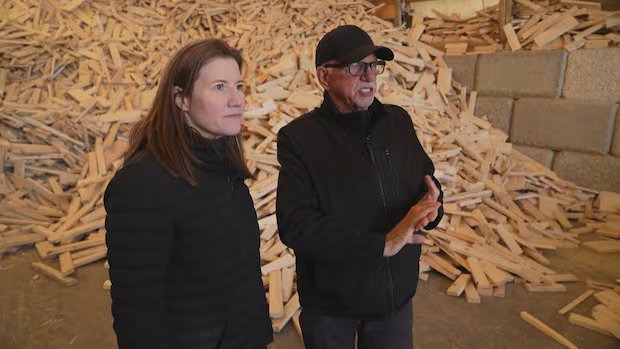

Listen to this article
Estimated 4 minutes
The audio version of this article is generated by AI-based technology. Mispronunciations can occur. We are working with our partners to continually review and improve the results.
The federal government says it is committed to supporting B.C.’s struggling forestry sector in the face of U.S. import fees, and has announced a new $12-million fund to do so.
But for those struggling, the help offered so far does not go far enough.
“This is an insult,” said John Brink, whose workforce at a trio of wood manufacturing plants in and around Prince George, B.C., has dwindled from roughly 400 to about 30 people over the past year.
Brink said he’s been unable to access any of the announced support so far.
“I bust my ass to do value-added manufacturing, employ people in communities in northern British Columbia. And what did we get? Nothing, nothing, nothing, nothing, nothing.”
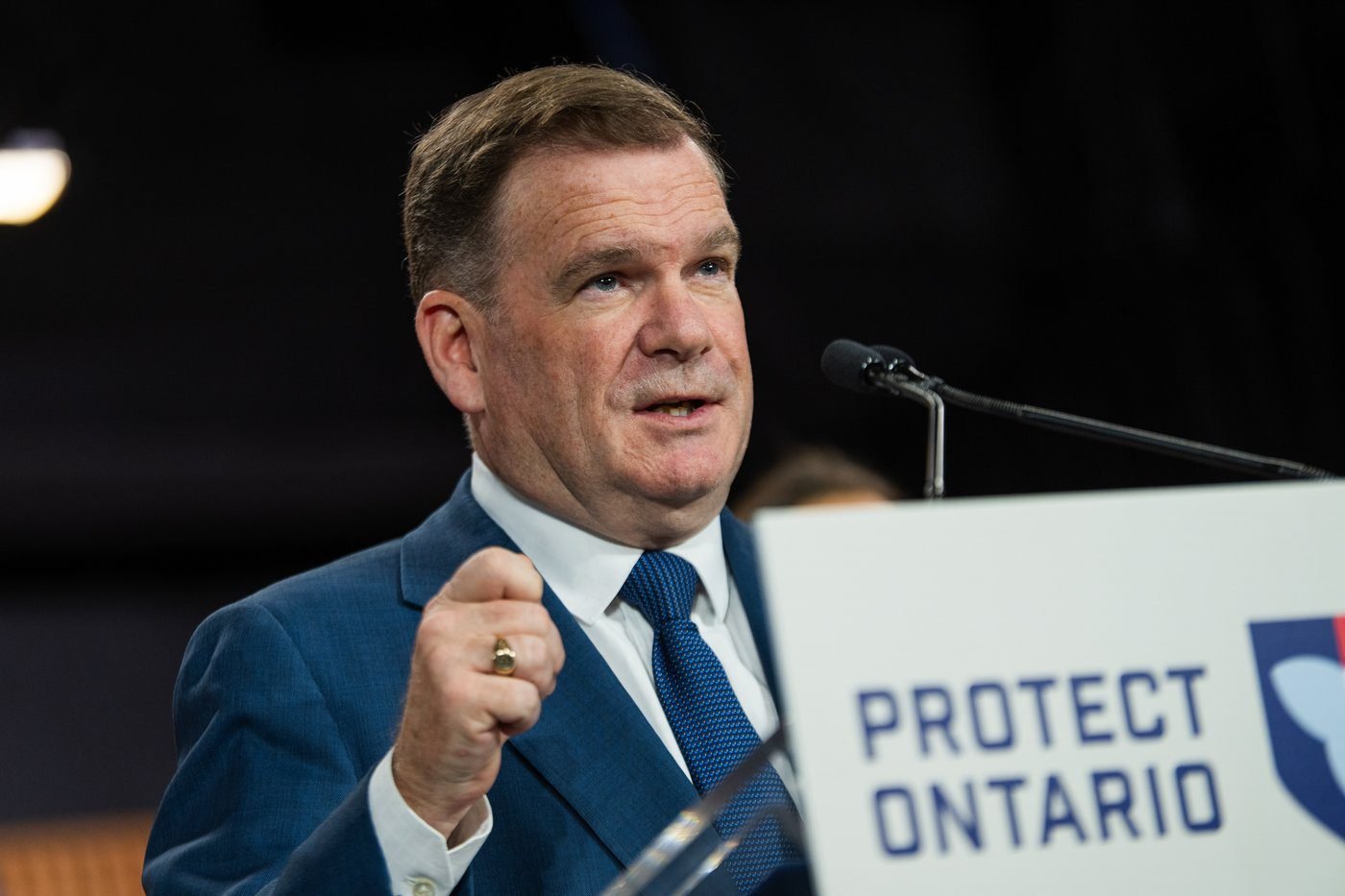
Brink’s reaction came Thursday after federal Natural Resources Minister Tim Hodgson appeared at a sawmill in Richmond to announce the $12-million fund, which he says will prioritize 14 projects aimed at diversify Canadian wood production away from reliance on the United States.
The U.S. Department of Commerce has consistently levelled high tariffs on Canadian softwood, with current levels sitting at more than 35 percent.

John Brink, owner of Brink Forest Products, says he is worried that small and medium-sized Lumber businesses may be forced to close as a result of U.S. tariffs.
Combined with other factors, these tariffs have decimated the industry leading to hundreds of job losses and dozens of closures and curtailments at mills and manufacturing plants around B.C.
Earlier this month, when the federal government announced a $1-billion loan program to help the steel, aluminum and copper industries, B.C. Premier David Eby questioned whether the federal government understood the scale of devastation in his province.
“I don’t know what it’s going to take, really, to get the bureaucrats and the ministers in Ottawa to recognize that softwood lumber employs more people in Canada than steel and auto parts combined,” he said at the time.
But appearing alongside Hodgson on Thursday at an unrelated announcement, the premier said he’d been reassured the forestry sector will be getting the supports it needs.
“We’re going to work together to ensure this sector is sustainable going forward,” he said.

B.C. Wood CEO Brian Hawrysh was also on site and said he was hopeful a more comprehensive relief would be announced soon.
“I’m aware of a lot of discussions going on,” he said. “But I’m not aware of the exact details.”
Hodgson said his government has previously committed $2.5 billion in support for the forestry sector.
Commitments include $500 million each for programs that supply softwood lumber loan guarantees and tariff loans for firms facing liquidity shortfalls.
The government earmarked another $500 million for forest sector funding programs that prioritize wood-based building products and Indigenous-led projects, among other initiatives.
Hodgson said the government is working “constructively” with the province.
B.C.’s Forests Minister Ravi Parmar said in a statement Thursday that the province wants to work with the federal government to transform the forestry sector, but both parties need to do their part.
“While the investments announced today are a step in the right direction, we urge the federal government to bring the same level of commitment to forestry as they have shown to other sectors,” he said.
But Brink says he still has not seen enough support from any level of government and is desperately trying to stay in business.
“It’s peanuts compared to what is required.”