dailynewsnblog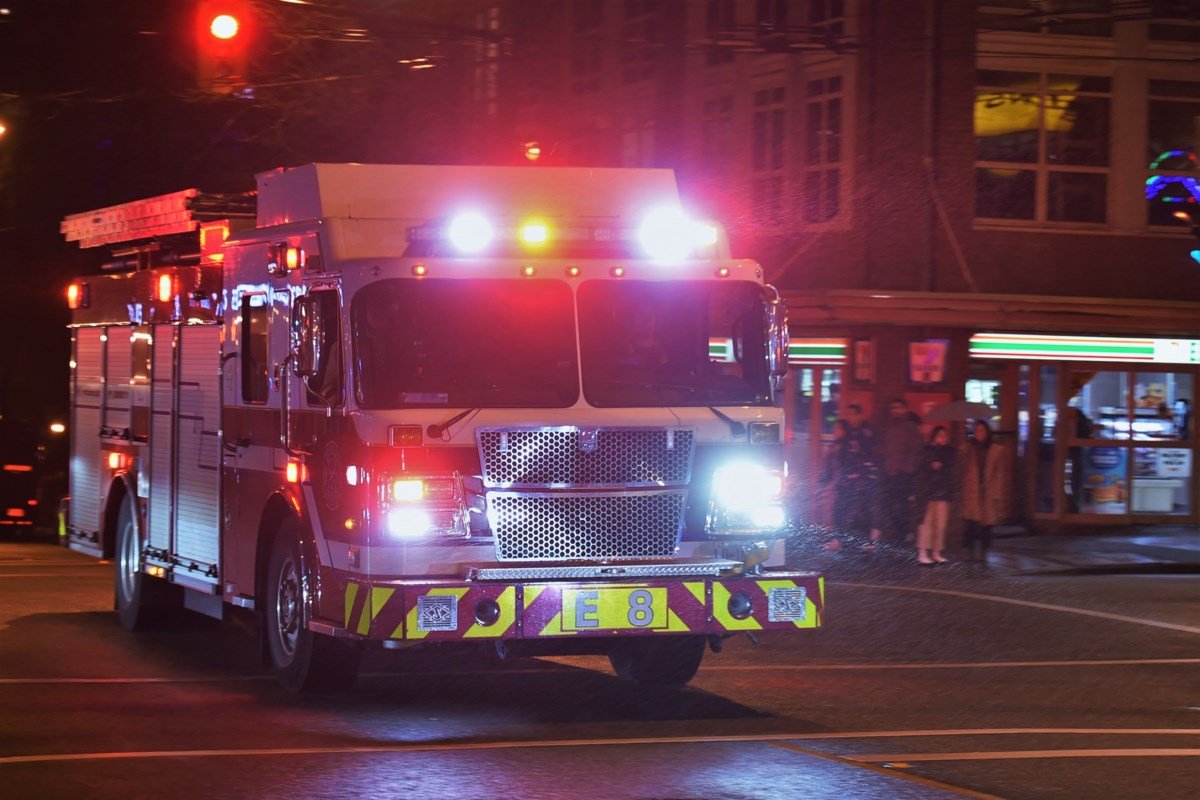
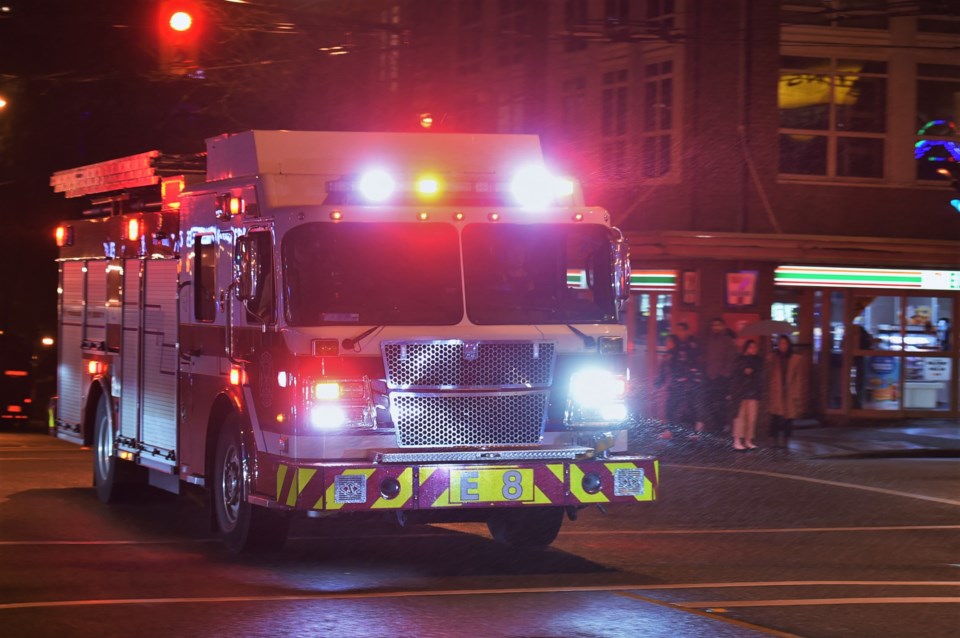
Metro Vancouver staff say pipeline delays, lack of snow and ‘Super El Niño’ threaten fire hydrant pressure, though backup systems exist
A confluence of summer drought conditions and ongoing work on a major water pipeline could reduce water pressure around Metro Vancouver to the point first responders may struggle to fight fires.
That’s according to a staff report presented to the regional government’s Water Committee Wednesday, May 13. Several directors, including Metro director and Coquitlam Coun. Craig Hodge, raised concerns that the situation could create a short-term crisis as the region’s water demand usually spikes by 50 per cent in the summer.
“It’s basically the perfect storm,” said Hodge.
Mike Brannon, who directs operations and maintenance for Metro’s Water Services division, said the province has warned B.C.’s most populated urban area to prepare for drought conditions and a “super El Niño event” this summer.
Environment and Climate Change Canada’s seasonal forecasts project higher than average temperatures and lower than average precipitation over the next three months. Environment Canada forecasts that 2026 will by one of the hottest years on record.
To complicate matters, Metro Vancouver is in the process of replacing a water pipeline that runs from the North Shore across Burred Inlet and under Stanley Park.
Under construction since late 2024, the project has been delayed, in part because concrete encasing the nearly 100-year-old pipeline components was more difficult to demolish than originally thought, said Cheryl Nelms, general manager of project delivery.
“We are on three shifts with this project,” she said. “There’s night shifts and it’s seven days a work.”
The region announced Stage 2 water restrictions May 1, when alpine snowpack sat at 44 per cent of its historical average. While reservoirs are now close to full, the current lack of snow leaves significantly less water to melt and refill them as they draw down.
The staff report warns that higher water use can lead to pressure fluctuations that “may affect firefighting.”
“Protecting the system for essential and emergency needs is the priority,” it notes.
Dan Cochrane, acting assistant of chief of operations at Vancouver Fire and Rescue, said his department has not been warned that water pressure could suffer over the summer.
“We haven’t heard nothing about that,” he said.
If necessary, Cochrane said Vancouver has a dedicated fire protection system meant to act as a backup if a major disaster like an earthquake disrupts its water supply. The system includes two downtown pumping stations that can send saltwater through a network of dozens of blue fire hydrants across the city.
Linda Parkinson, one of the report’s authors and a director of policy planning and analysis at Metro’s Water Services division, told the committee it has plans to roll out Stage 3 watering restrictions in early June for the first time in over a decade.
The escalated restrictions would place a temporary ban on watering with sprinklers and washing vehicles at home.
Parkinson said Metro is also looking to revise a program that recruits students to go door-to-door to communicate water restrictions and photograph non-compliant homes and businesses.
“Our objective is to protect reliable water for essential daily needs … ” she said.
In the face of concerns, the City of Vancouver has given exemptions to allow watering of playing fields used during the 2026 FIFA World Cup, confirmed staff.
Delta Coun. Alicia Guichon told the committee that many businesses were already struggling under current restrictions. She raised questions with Metro’s staff whether it could allow professional permitting for businesses that rely on water, such as landscapers.
“I really feel for these businesses who have gone into layoffs, had only seven days notice for [Stage 2] restrictions,” she said. “It really has affected businesses.”
“It’s just a very uncertain time.”
In response, Marilyn Towill, the general manager of Water Services, said Metro is looking at revamping its conservation water drinking plan over the next year, and that it was “very mindful” of the impact on residents and businesses.
“It’s not a comfortable place for us. We’re in the job of supplying water … ” she said.
While water pressure is a concern, Towill said she expects the region will have enough volume to get through the coming hot months.
Still, Metro staff are reviving the prospect of tapping emergency water sources. After the last major drought hit Metro Vancouver in 2015, staff analyzed whether high alpine lakes that don’t drain into the Capilano and Seymour reservoirs could be accessed in an emergency.
The challenge was finding a way to get the water over a ridge and then draining down into a main reservoir so that existing infrastructure could pipe it into homes and businesses, said Towill.
“We have that as a backup plan for summer usage,” she said.