dailynewsnblog
I’m one of those people who can turn any idea into a business idea. If you’ve taken up knitting and told me about it, I’m already thinking about how you can start an Etsy store, make knitting content, and collaborate with my friend’s brand. And I’ve been like this since I was little.
“I’m one of those people who can turn any idea into a business idea.”
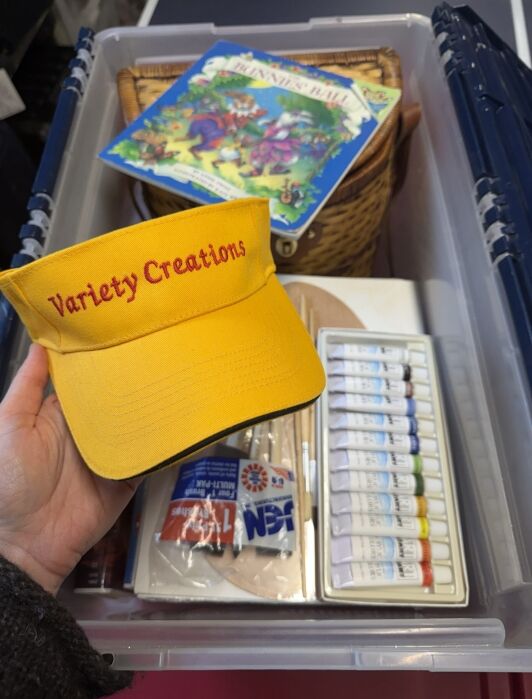
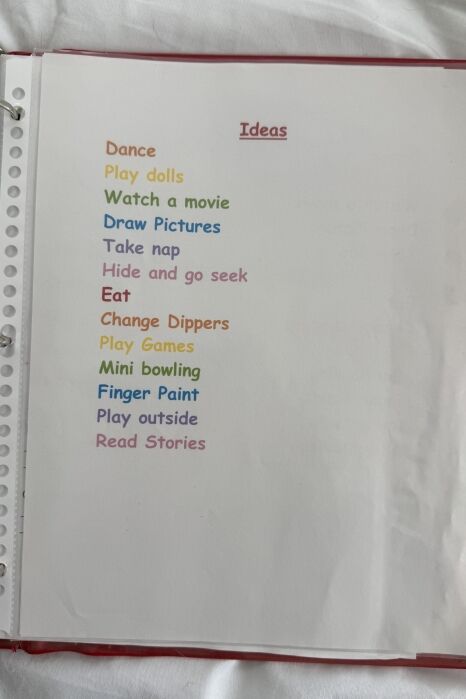
When I was 12, I had my first business called “Variety Creations.” While other kids pursued soccer or art class, I thought starting a business sounded fun. And since I didn’t know what I wanted to focus on (Babysitting? Cooking? Cleaning? Poster design?), I came up with a name that encompassed my brand promise: I would create a variety of things. I think I made $27 over the course of a few projects. I always LOVED the idea-generation and startup parts of the process, but I tended to fall off after that.
That pattern followed me into adulthood. Over the years, I’ve come up with tons of ideas: Launching a spiritual podcast, starting an agency with friends, copious creative product business ideas. But I never seemed to get past the ideation phase. And for a while, I really kicked myself for it. When would I EVER follow through on any of my ideas? Was I a total flake?
A few years ago, I was working with a project manager, and every week I’d tell her a new idea I had. After a while, I started to feel ashamed. “Am I inconsistent?” I asked her one day. She laughed and responded with kindness and clarity: “NO! You’re consistently very creative.”
“Over the years, I’ve come up with tons of ideas… But I never seemed to get past the ideation phase.”
Her words flipped something in me. I wasn’t a flake. I was creative. And what if I owned that and created some outlets for my creativity to live, instead of feeling like I had to decide on one thing and do it? This felt a lot less heavy and daunting than the idea of “starting a business.”
I realized I didn’t have to just pick one thing. I could create a personal brand where I could share my ideas, learnings, and insights from my experience. Ultimately, what I really wanted was a place to express myself. So to make things more manageable, I decided to start with one topic I felt confident about and eventually expand to others.
How I chose something to move forward with
The topic I landed on: How to go freelance. I’d been a freelancer for 10 years, so it was easy for me to provide value to others and give examples from my own experiences. Along with business tips, I could intersperse my thoughts on self-improvement, spirituality, relationships. “Freelancing” just felt like it gave me a clear audience and a clear why.
For me, the idea that finally stuck met these key criteria:
It came easily to me
Instead of picking a brand new topic or industry I knew nothing about and would have to research and get counsel on to move forward with – I chose something I’d already been doing. I had stories to tell, feelings to share, friends to interview.
It provided value for others
I could see a clear gap: freelancers needed practical advice from someone actually doing it, and I had real-life insights to share.
It was something other people had a need for
I had already been advising friends on how to define their services and find clients, so I knew people needed what I had to offer.
It was something that I could go on a million tangents about
From business strategy, personal finance, client relationships, and productivity to mental health and boundary-setting. I’d never run out of things to explore.
It lit me up
I felt excited when I thought about it! It didn’t feel like a chore.
If you’re trying to decide which one of your ideas to move forward with, vet them with these five pillars: Ease, value, need, abundance of ideas, and excitement.
Over-commitment, not lack of commitment
I created a workshop and started posting on Instagram and TikTok to promote it (again, the startup part was easy and fun for me!). But it was hard to keep up with the videos. I was picking aggressive strategies like posting 1-3 times a day. It was intimidating and exhausting, and didn’t reflect my more spontaneous creative process.
After about eight months of this, I decided to try something different: a newsletter. My one concern was: Would I be able to follow through? Or would I let myself down, starting something with a bang, telling everyone about it, and then ghosting my project?
But along the way, I realized something crucial. I didn’t have a commitment problem. I had an over-commitment problem. And finding the right format for my style was what ultimately helped me stick to it.
“Finding the right format for my style was what ultimately helped me stick to it.”
Long-form writing appealed to me because I had stories to tell that were rich with detail, that had timelines and tips baked in. I loved how one piece made a much bigger impact than just one video that was here today and gone tomorrow. My writing was turning into a living resource for people, not just a flash on their feed.
And I realized that I didn’t have to be inspired all the time or post all the time to make an impact. Fewer, better, more detailed pieces went further than striving for constant output.
Sometimes you have to experiment with the platform or type of expression until you find the right fit. It doesn’t mean your message or project is bad; it might just not be the right outlet for you.
Attainable goals for sustainable follow-through
I did three things that made all the difference:
First, I set a realistic goal. One long-form essay per month, one I really put thought into. Some months, I posted three times because I was excited, but that wasn’t my measure of success. I felt good about posting just once a month, and all of a sudden, my follow-through felt more possible because my goals were less aggressive.
Second, I told everyone what I was doing. I announced it publicly, which created accountability. When you tell people you’re launching something, it’s harder to let it die. I also made friends with other writers and content creators who were just a few steps ahead of me. They took their work seriously, which made me take mine seriously, too.
“I announced it publicly, which created accountability.”
Third, on days when I didn’t want to write, I reminded myself: This isn’t about me. There are people waiting for this information who need it. Shifting from “I don’t feel inspired” to “someone needs this” got me through countless creative blocks.
Falling off the wagon
I did fall off. My longest gap between newsletters was four weeks. Especially at the beginning, I went through phases of second-guessing myself, feeling insecure, and getting embarrassed when my content didn’t perform well. And I’d recoil: Ignore my business, focus on other things, mostly because I didn’t want to deal with the feelings coming up. The “not enough-ness” that I felt, the concern that I was being judged (really because I was judging myself).
“It meant looking at each step as just a step, not some final verdict on who I was or what I was building.”
Coming back to it meant feeling my feelings and fear and deciding to do it anyway. It meant looking at each step as just a step, not some final verdict on who I was or what I was building. So even after a few weeks of going silent, I’d come back full steam ahead and return to my why: to elevate others, not validate my ego.
I didn’t apologize or explain what happened. I just acknowledged to myself: okay, I took a break. And I just picked up where I left off. Instead of viewing the break as failure, I used it to re-energize myself. Often, the break made me even more excited to return.
Following through
A year later, the results aren’t just external (though yes, my subscriber count has grown, and opportunities have blossomed from it). But what changed inside me matters more. It feels like I demonstrated something I’ve been wanting to do for my whole life: I can do something for myself, and stick to it!
I feel proud of the body of work I’ve created. When I look back at everything I’ve published, I feel genuine pride. Not because it’s perfect, but because I did it.
I’ve built a community that can count on me. People know I’ll show up. I’ve had readers tell me my content made them feel more confident and helped them win clients.
I don’t have to wonder “what if” anymore. I fully tested it to see if I liked it and if others did too. I know what works, what doesn’t, what I love, and what I’d do differently.
“I don’t have to wonder ‘what if’ anymore.
I went all in. I can look myself in the mirror and say I gave it everything I had.
Nothing feels better than following through. The satisfaction of keeping a promise to myself is worth more than any external outcome. It’s changed how I see myself and what I believe I’m capable of, and that changes how I show up everywhere else, too.
You’re not inconsistent, you’re consistently creative!
If you’re someone with a million ideas, remember: You’re not inconsistent or flaky. You’re consistently creative! That’s not a problem to fix; it’s a quality that needs an outlet for expression.
The goal isn’t to stop having ideas or to pick just one thing forever — it’s to create an outlet for your creativity. Start with one topic you feel confident about, find a format that matches your natural style, commit to it with realistic goals (not aggressive ones that set you up to fail), don’t beat yourself up when you take a break, and stick with it long enough to see what it becomes.
“The goal isn’t to stop having ideas or to pick just one thing forever — it’s to create an outlet for your creativity.”
Whether you’re moving forward with a business idea, a hobby, a newsletter, starting to post on social media, writing, making your art, or any other creative project, the question isn’t just what you want to create. It’s also – what format lets you create it in a way that feels sustainable? What cadence actually works for your life? What goals feel exciting instead of exhausting?
The ideas will keep coming. That’s who I am… I still might start that podcast someday. But now my notes app doesn’t feel like a graveyard of potential anymore. I’ve proven to myself that I can follow through.So pick one idea, and make a reasonable commitment to see it through. You might just surprise yourself!
Grace Abbott is a LA-based freelance Brand & Marketing Strategist and a Contributing Editor at The Good Trade. She has a degree in Graphic Design from Parsons School of Design and is the founder of How To Go Freelance — a brand dedicated to empowering creatives to monetize their skills and build personal brands. Beyond work, she’s always studying a new spiritual modality, painting her bedroom a new color, practicing Pilates, hosting friends, or going on a nature walk with her chihuahua, Donnie. Find her on Substack or Instagram.