dailynewsnblog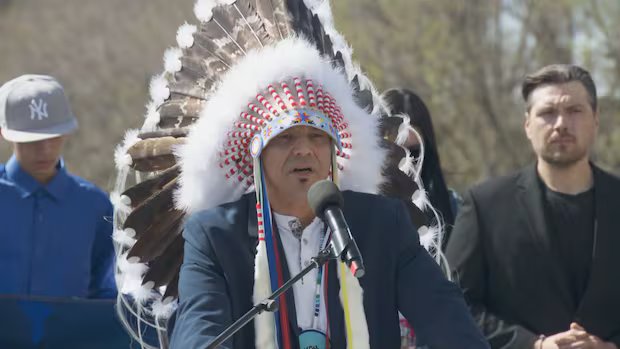

Listen to this article
Estimated 4 minutes
The audio version of this article is generated by AI-based technology. Mispronunciations can occur. We are working with our partners to continually review and improve the results.
The Mikisew Cree First Nation (MCFN) is suing the governments of Alberta and Canada for the effects it says nearby industrial development and activity such as oilsands mines have had on its territory over the years.
In a statement of claim filed Monday, the First Nation, which is located in northern Alberta, alleges both governments have violated Treaty 8 which their ancestors signed with the Crown in 1899.
The lawsuit alleges both governments have allowed the land and water to be contaminated by substances that have caused higher than average rates of cancer among the First Nation’s members.
“Rather than protecting MCFN’s way of life and ensuring the meaningful exercise of their rights, the defendants have engaged in a pattern of conduct that, taken together, has significantly diminished MCFN’s right to hunt, fish, trap and gather on their traditional territory as part of their way of life,” the statement of claim says.
“Among other things, pollutants have been introduced, habitats have been fragmented, lands and waters have been degraded, and lands have been put to uses that are incompatible with the continued meaningful exercise of MCFN’s treaty rights.
“MCFN members live in fear for their health, their families and their future.”
The federal and provincial governments have yet to file a statement of defence. Allegations made in the statement of claim have not been tested in court.
Billy-Joe Tuccaro, chief of the MCFN, told reporters at a news conference in Edmonton Tuesday that he believes the federal and provincial governments have not properly assessed and managed the impact of industrial activity.
“Our nation is downstream from one of the largest industrial developments in the world, and our people are living with the consequences,” he said.

The Mikisew Cree First Nation, located north of Fort McMurray, has filed a statement of claim against the Alberta government and the federal government. It alleges they failed to manage health impacts that the nation says is linked to nearby oilsands development.
The lawsuit seeks a number of remedies including a declaration by the court that the governments have breached their treaty obligations.
The lawsuit asks the court to stop the governments from approving future projects that will impact the First Nation’s territory. The MCFN wants remediation of the land to be fully funded, to have a meaningful role in land management and to have binding agreements to ensure wildlife and habitat restoration.
‘Raising the alarm bells’
Federal Crown-Indigenous Relations Minister Rebecca Alty and Alberta Indigenous Relations Minister Rajan Sawhney declined to comment now that the case is before the courts.
Brooks Arcand-Paul, the Alberta NDP’s Indigenous relations critic, told reporters at the legislature that he believes the provincial government has a poor record of consultation with First Nations people.

“This just proves that they’re not listening to Mikisew, who have raised several alarm bells about cancer rates going up in their territory, about the deaths in their community,” he said.
“They are concerned. They’re raising the alarm bells and this government is just shutting its ears.”
Tuccaro said a report his council commissioned found there had been 149 cancer cases in Fort Chipewyan from 1993 to 2022. He believes the number is underreported because people leave the community to get treatment.
Fort Chipewyan is home to over 600 residents, including members of the MCFN, the Athabasca Chipewyan First Nation and the Fort Chipewyan Métis community.
Last month, Alberta Primary and Preventative Health Services Minister Adriana LaGrange told the legislature that provincial health officials have been monitoring cancer rates in Fort Chipewyan since 2009. She said they haven’t seen an increase compared to the rest of the province.
LaGrange acknowledged she hadn’t seen the new study from the MCFN.