dailynewsnblog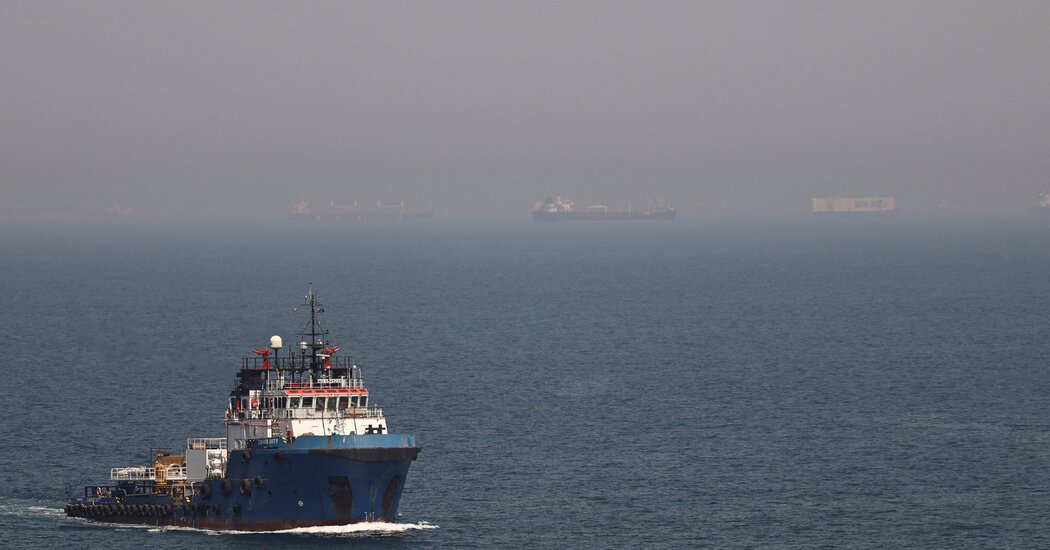
Prime Minister Narendra Modi asked India’s 1.4 billion people to spend less on fuel, fertilizer, and travel, a call for sacrifice that landed like a thunderclap and underlined the severity of the economic crisis caused by the war in Iran.
Mr. Modi made these sweeping recommendations in a national address on Sunday after securing a big win for his party in recent state elections. With that victory in hand, he no longer has to worry that voters might punish his candidates for higher prices of fuel, food and transport, which are tightly controlled by India’s government. Instead of subsidizing the losses and running huge budget deficits, India’s leader appears emboldened to ask its people to bear the burden.
“To save foreign exchange,” he said, “we must accept the challenge of patriotism.” That means spending less on gasoline and diesel — to conserve supplies limited by the blockade of the Strait of Hormuz — and also on everything else that India imports. He urged people to buy less gold, farmers to use solar-powered water pumps instead of diesel, and white-collar workers to work from home.
Invoking Covid-19 pandemic restrictions, he said it is again in India’s national interest for office workers to use online meetings. Less commuting would reduce gas bills, putting less strain on India’s budget.
Speaking in the city of Hyderabad, an information technology hub in one of the few states his party has yet to conquer, Mr. Modi issued a long list of requests, many of them pointed at the urban middle class.
Those who own electric vehicles should use them more, he said, and car pool. Stop taking foreign holidays, he said to the estimated 1 percent who do. That should keep more dollars within India and protect the rupee, which has lost 10 percent of its value in the past year, half of that loss since the U.S. and Israel started bombing Iran in late February.
Mr. Modi is a latecomer to this message in Asia. The Philippines, Bangladesh and Sri Lanka, among others, have made similar requests and even demands of their citizens since March. India, by contrast, has cushioned ordinary citizens from the full pain of the energy crunch by running higher deficits and piling losses onto the state-owned oil companies.
Indians first felt the pinch from the war in Iran when supplies of cooking gas ran low. State oil companies began buying more crude oil, at higher prices, and diverting it into refineries making liquefied petroleum gas, which has kept that pain manageable. But they are losing an estimated $175 million a day, according to reports in local media.
Mr. Modi has now signaled that kicking that can down the road is no longer possible. India is missing its budgetary targets by uncomfortable margins, the currency is weakening — as the value of India’s imports rises while its exports stay flat — and inflation is rising.
The government has a fresh opportunity to do something about it. More than 150 million people cast ballots in April, and on May 4, when the results of four state elections were tallied, Mr. Modi’s party won a crucial state by a landslide.
Nomura Holdings’ research unit said in a report on Monday that “even with state elections over, there have not been any domestic fuel price hikes yet,” but that the pressure on the Indian government’s finances is “at a tipping point.” The report said that some of the measures Mr. Modi requested with his appeal to duty this week could soon become mandatory.
For years, it has been a hallmark of Mr. Modi’s governance to ask for sacrifices from the Indian public. After he suddenly invalidated 500- and 2,000-rupee bank notes in 2016 to root out “black money” used by criminals, he asked for patience dealing with the disruptions caused.
He won important elections after that exercise, even though economic growth slowed and little black money was seized. Likewise, at the outset of the Covid-19 pandemic, Mr. Modi imposed some of the most draconian lockdown measures anywhere. They shrank the economy by more than 20 percent, but he remained popular.
Such appeals haven’t always worked out so well. In November 2023, he asked well-heeled citizens to “Wed In India,” to help preserve foreign-exchange reserves. His party’s workers phoned the families of rich brides and grooms to plead for destination weddings within India instead of lavish nuptials in places like Lake Como, Italy, and Dubai.
That effort did not prevent Mr. Modi’s party from losing its parliamentary majority in 2024.
This time, Mr. Modi went a step further. He repeated the call to cut out the foreign weddings and added, “We must resolve not to purchase gold for one year.”
Gold accounts for nearly 9 percent of India’s annual import bill, behind oil and gas. Most Indian families buy it as a way to save money and to celebrate important occasions, like weddings. If they don’t give it up voluntarily, the government can restrict its purchase by other means.