dailynewsnblog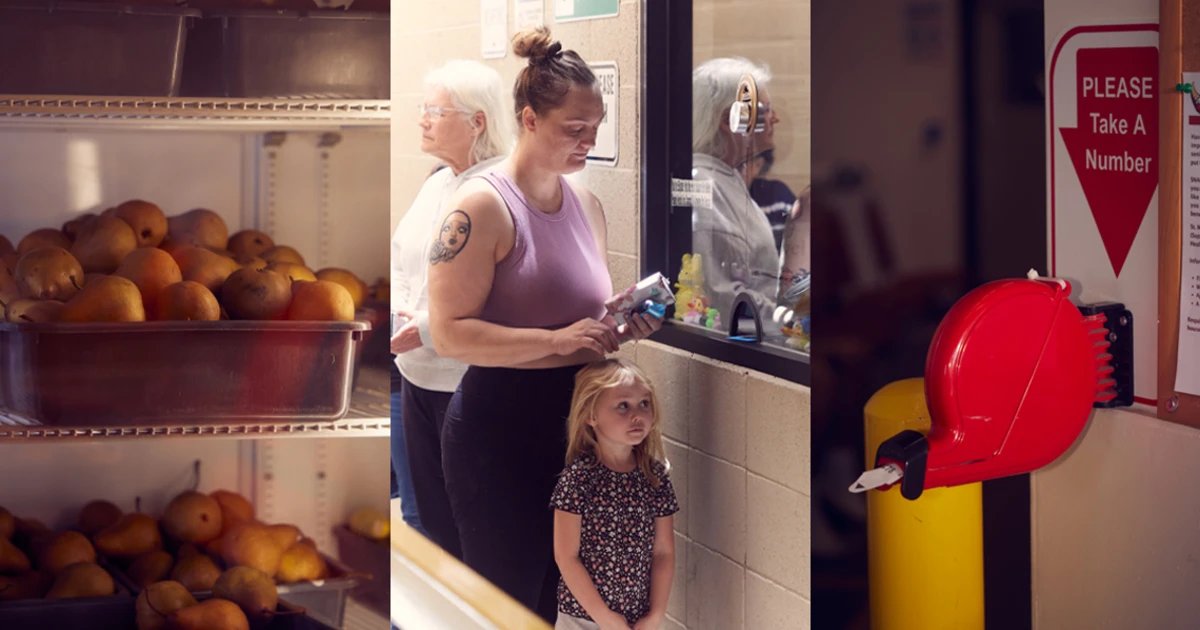
The Arizona Department of Economic Security, which administers federally funded SNAP benefits, acknowledged the drop in people receiving food stamps, including some who should be getting them. The state had to adjust to the new eligibility requirements under last year’s law and has also been stepping up efforts to reduce its payment error rate to avoid federal penalties starting in 2027. Doing so, though, has required additional documentation for each case and strained an already overstretched workforce, leading to delays in approving benefits.
“We acknowledge that many families are awaiting critical assistance, and our teams remain committed to finding every possible solution to minimize elevated wait times. Processing delays are driven in large part by the requirements in H.R. 1,” Department of Economic Security spokesman Brett Bezio said in a statement, referring to the legislative title for Trump’s “big, beautiful bill.”

The White House said the law is intended to reduce federal spending and “restores basic work requirements, prioritizes American citizens, and implements reasonable cost-sharing measures with states to crack down on waste, fraud, and abuse.”
“President Trump is strengthening SNAP for the Americans who need it by ensuring these programs are sustainable for future generations,” said White House spokesperson Anna Kelly.
Long lines for help
Hudson sees no reason why she should have lost her food stamps. As a mother caring for two young children, she should be exempt from the law’s expanded work requirements, which mandate that able-bodied adults under the age of 65 must work at least 80 hours a month unless they care for a child under the age of 14. Hudson typically works around 50 hours a month while being the primary caretaker for her children, including one who is autistic.
She described being caught in a monthslong paperwork back-and-forth with state employees since February, when her benefits failed to arrive. Unable to reach anyone by phone, she finally decided to show up in person at the office in Surprise. On the morning she arrived at 7 a.m., her second visit that week, she had a backpack full of paperwork she was told she needed to provide to verify her income and expenses to have her benefits restored.
But after waiting for four hours to speak with someone, she was told she needed more documentation, including a written statement from her father explaining that a Zelle transfer for her birthday was a one-time gift and not a recurring payment, she said.