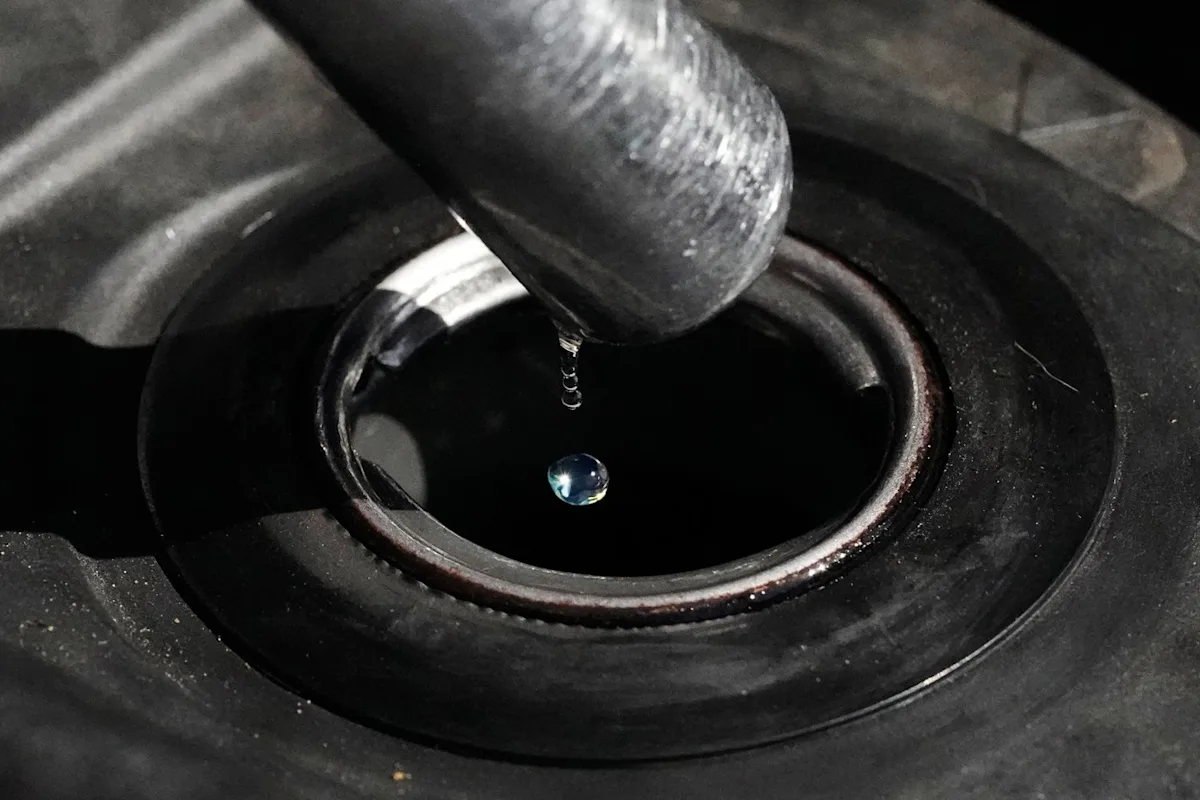
BANGKOK (AP) — Asia’s first defenses against energy shocks from the Iran war are running short and a more consequential second wave of impacts is beginning to hit.
When the war started, governments scrambled to adapt to the closure of the Strait of Hormuz, a critical artery for energy flowing to Asia. They made difficult trade-offs: saving power at the risk of slowing businesses, prioritizing gas for households at the risk of fertilizer production and dipping into energy stockpiles for temporary relief.
But these measures were based on the war lasting only a short time, allowing a quick resumption of energy flows. That has not happened.
With no clear end in sight, the fuel crisis is now rippling across economies. Airfare costs, shipping rates and utility bills are climbing, jeopardizing economic growth. About 8.8 million people are in danger of being pushed into poverty and the conflict may cause $299 billion in economic losses to the Asia-Pacific region, according to the United Nations Development Program.
“The countries with the least resources to respond, or the consumers who can least afford to pay, are the ones who feel everything first,” said Samantha Gross of the U.S.-based think tank Brookings Institution.
Asian governments planned their budgets assuming the price of oil would average around $70 a barrel. Subsidies helped to keep fuel prices stable. But the war pushed the price of Brent crude to as high as about $120 a barrel.
Governments now face a stark choice between maintaining those costly subsidies, straining public finances, or cutting them to pass higher costs on to consumers, risking a public backlash, said Ahmad Rafdi Endut, a Kuala Lumpur-based independent energy analyst.
Asia braces for a second wave of impacts
In India, early steps to redirect fuel supplies toward cooking gas for roughly 330 million households cut into supplies for fertilizer plants. The surging of fertilizer prices and meteorologists warning of weak rainfall in an El Niño year is a concern for the world’s largest rice exporter.
India has relied on subsidies to shield its 1.4 billion people until now, but on Sunday, Prime Minister Narendra Modi urged citizens to buy locally and cut down on travel abroad to save dollars. He also encouraged people to work from home and use public transport to reduce fuel consumption, and asked farmers to halve fertilizer use.
The Philippines quickly shifted to a four-day work week to save fuel. It also rolled out targeted subsidies for poorer households. However, Fitch Ratings noted that most consumers are still paying higher energy costs, causing business activity to slow in major cities like Manila.
Thailand abandoned its diesel price cap less than a month after the conflict began, as its fuel subsidies ran out. It’s now cutting other spending to manage higher oil prices while trying to keep its budget under control.
Vietnam extended a suspension of fuel taxes to ease pressure on domestic prices. Jet fuel shortages have led to flight cuts. Tourism makes up nearly 8% of Vietnam’s gross domestic product — the nation’s total output of goods and services — so that affects the entire economy.
“Business is not good right now,” said Hanoi-based tour guide Nguyen Manh Thang. “There are already fewer tourists.”
Fuel shortages have pushed cash-strapped countries like Pakistan and Bangladesh to buy oil and gas at current market prices, which are often higher and more volatile than long-term contracts. This raises import costs and adds to pressure on their already limited foreign exchange reserves.
Governments can keep costly fuel subsidies by cutting spending from other priorities like welfare, or borrow more and risk higher inflation, said Endut in Kuala Lumpur. Alternatively, they can reduce subsidies and pass higher costs on to consumers, risking angering voters.
Once subsidies are exhausted and inflation starts to rise, countries could face what he called a “fiscal time bomb.”
Vulnerable Asia will not see immediate relief
The war’s eventual end won’t bring quick respite to Asia.
The global oil and gas trade will not bounce back right away, and it will take time to restart production, said Gross with the Brookings Institution. Repairing damaged infrastructure, restarting facilities and allowing for transport time from the Middle East to final markets will take weeks or even months.
Europe will feel a similar impact to Asia, but with about a four-week lag, experts say.
Americans are also feeling the pinch as gas prices spike across the U.S. But Southeast Asia is currently the “biggest pain point,” said Henning Gloystein of the Eurasia Group consultancy firm.
“This fuel shortage situation is going to get worse,” he said.
In Africa, higher energy and import costs are similarly straining budgets, widening deficits and driving up inflation. The war is also taking a toll on Latin America and the Caribbean, where growth is projected to slow slightly.
The complex disruptions across global supply chains will continue to have broader impacts, warned Ted Krantz, CEO of supply chain risk firm Interos.ai.
The crisis also highlights the fragility of Asia’s growing middle class, said Maria Monica Wihardja of the Singapore-based ISEAS-Yusof Ishak Institute, with many people at risk of slipping back into poverty.
The energy shock will reshape Southeast Asia’s economies over time, she said, including shifts in job markets and how countries plan for future energy crises.
Countries are already debating and implementing longer-term solutions, like diversifying fossil fuel suppliers, developing nuclear energy and renewables like solar.
The war is making geopolitical risk central to the economic outlook of Southeast Asia and directly slowing regional growth, said Albert Park of the Asian Development Bank.
“The longer it lasts, the larger those negative effects would be,” he said
___
Ghosal reported from Hanoi, Vietnam.
___
The Associated Press’ climate and environmental coverage receives financial support from multiple private foundations. The AP is solely responsible for all content. Find AP’s standards for working with philanthropies, a list of supporters and funded coverage areas at AP.org.
Anton L. Delgado And Aniruddha Ghosal, The Associated Press


 dailynewsnblog