dailynewsnblog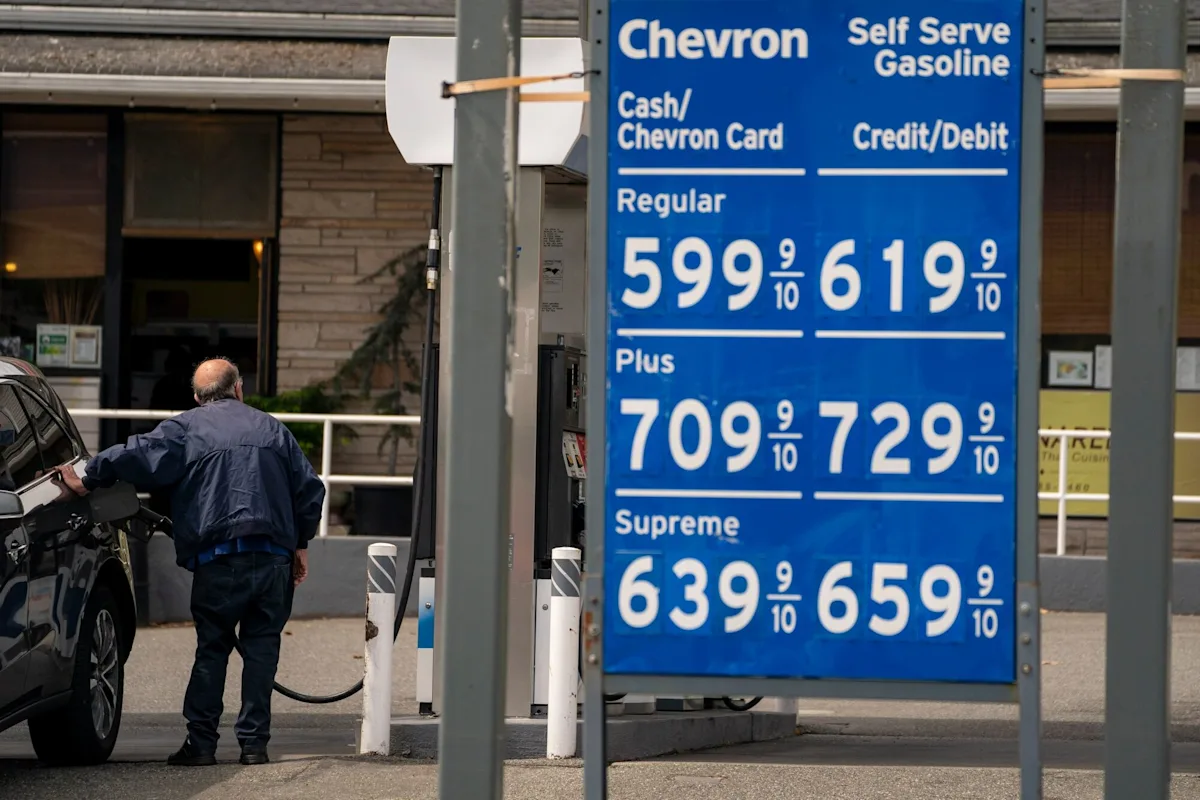
(Bloomberg) — Investors are awaiting a key US inflation report to gauge how long a Federal Reserve under Kevin Warsh can afford to hold interest rates steady as Middle East turmoil keeps oil prices elevated.
Most Read from Bloomberg
The bond market has been held hostage by crude costs as US-Iran clashes in the Strait of Hormuz threaten to fracture a monthlong ceasefire. Treasury two-year yields rose four basis points to 3.92% in Asia trading as oil climbed after the US and Iran rejected proposals aimed at ending the conflict.
Since the Middle East conflict began in late February, traders have not only priced out Fed rate cuts but also begun to wager that Warsh, President Donald Trump’s pick to replace Jerome Powell when his tenure ends this week, may need to raise borrowing costs next year. Overnight-indexed swaps price in more than a 40% chance of a rate increase by April 2027.
A growing number of Fed officials have already signaled that the next move could be either a cut or a hike. The risk is that a hot inflation print against a backdrop of a stable labor market and easing financial conditions may boost expectations for further price pressures, putting more pressure on the central bank to act.
Economists expect Tuesday’s inflation report will show consumer prices rose 3.7% in April from a year earlier, the highest since 2023. Excluding oil and food prices, so-called core inflation is forecast to have climbed to 2.7%, the most since September.
The bond market is “driven by expectations that inflation will be higher,” said Ruben Hovhannisyan, a fixed-income portfolio manager at TCW Group.
Still, there’s a reason to be bullish on bonds, as oil-driven inflation is likely to be temporary and a cooling labor market may prompt the Fed to resume rate cuts later this year, he said.
In addition to the inflation report, next week’s auctions of three-, 10- and 30-year Treasuries will test investor appetite.
What to Watch
Economic data:
May 11: Existing home sales
May 12: NFIB small business optimism; ADP weekly; CPI; Federal budget
May 13: MBA mortgage applications; PPI
May 14: Initial jobless claims; retail sales; import price index; business inventories
May 15: Empire manufacturing; industrial production
Fed calendar:
May 12: New York Fed President John Williams; Chicago Fed President Austan Goolsbee
May 13: Boston Fed President Susan Collins; Minneapolis Fed President Neel Kashkari
May 14: Kansas City Fed President Jeff Schmid; Cleveland Fed President Beth Hammack; Fed Governor Michael Barr
Auction calendar:
May 11: 13-, 26-week bills, three-year notes
May 12: 6-week bills; 52-week bills; 10-year notes
May 13: 17-week bills; 30-year bonds
May 14: 4-, 8-week bills