dailynewsnblog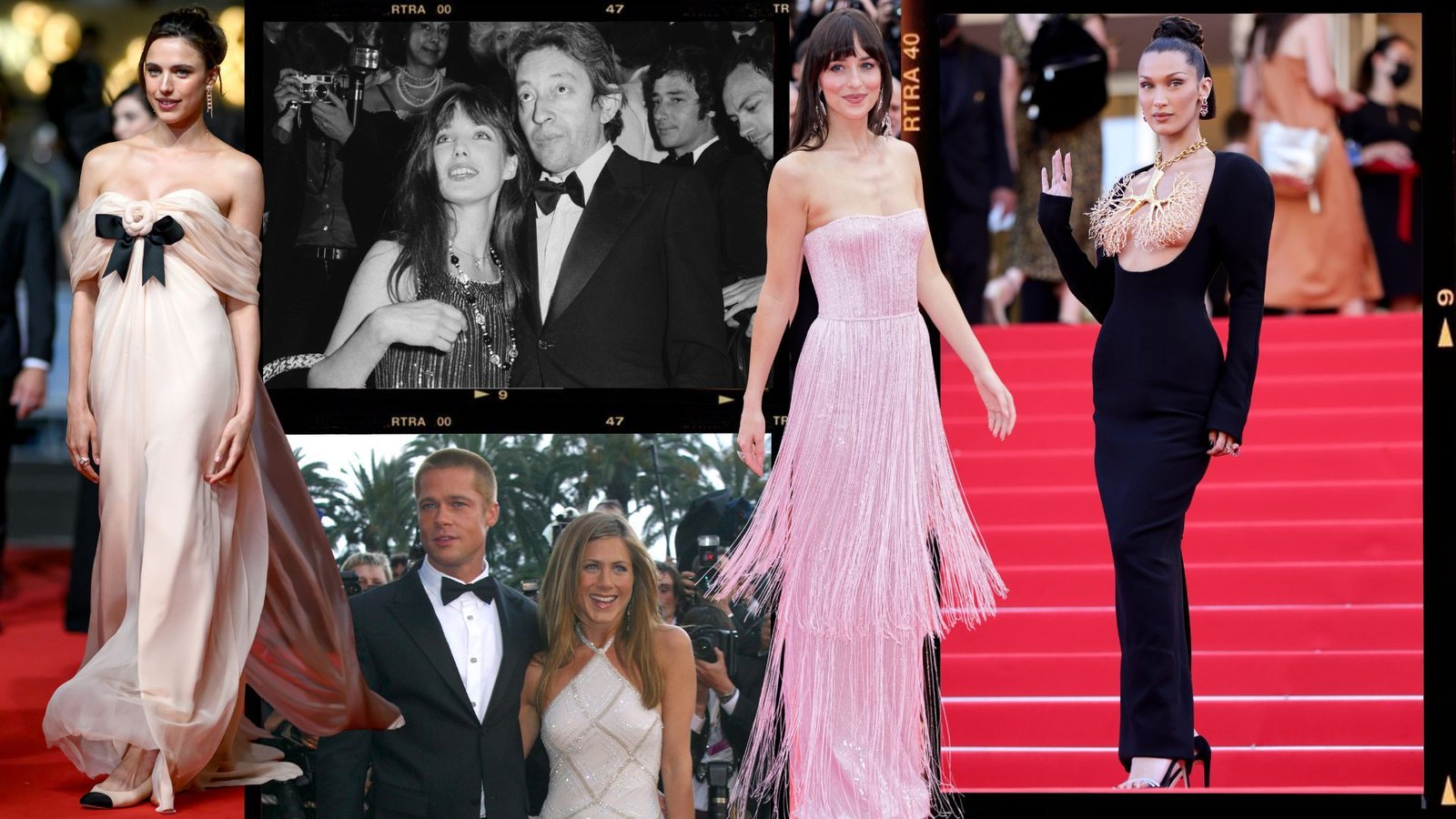
The Boulevard de la Croisette, also known to locals as the Temple of Idleness, is a three-kilometre stretch of seafront that snakes through the glamorous alcove that is the Côte d’Azur. But for a week each May, the palm-laden promenade is transcendent, alight with the glitz and glamour of fashion starlets, film titans, studio bigwigs, and Hollywood heavyweights as they descend on the French Riviera for the annual Cannes Film Festival.
The prestigious event has been in operation since 1938, where it has awarded emerging and established auteurs and actors alike with the career-defining honours like the Palme d’Or, the highest prize given for best film outside of the Academy Awards, for close to a century. This is the place that nurtured talents like Jean-Luc Godard, introduced transcendent scene-stealers including Isabelle Huppert and Mikey Madison and becomes a flurry of sequins and plumage as the who’s who of Hollywood make a home-away-from-home in the revolving doors of opulent properties like the Hôtel Martinez. Suffice to say, completely luminary.
Given the reputation that precedes it, it’s only fitting that the red carpet reflects the grand and theatrical essence of the films that the event celebrates. There has been no shortage of looks worthy of an eight-minute-long standing ovation, which is the average length of applause that succeeds the closing credits, though the event is no stranger to sartorial controversy either.


(Image credit: Getty Images)
In 2015, the Cannes Film Festival decreed a strict dress code that only permitted female attendees to wear high heels, leading to an incredibly elegant rebellion by the likes of Julia Roberts and Jennifer Lawrence, who either decided to go barefoot or wear flip-flops on the red carpet, respectively. In 2025, a mere decade later, organisers declared there would be “no naked dressing”, putting a ban on revealing clothing for the sake of “decency”.
In light of this dimming of frivolity, the drama showcased on the silver screen inside the Grand Théâtre Lumière is certainly enough to stir. And with that being said, there is still a storied repertoire of barely-there gowns and breathtaking dresses that lurk in the annals, for those considerate enough to look through it.
Now, on the eve of the 2026 Cannes Film Festival, we thought it incredibly pertinent to task ourselves with that mission. Because beneath the frothy embellishments and swaths of tulle, there lies something more potent; a dialogue between fashion and film that transcends far beyond stunts like method dressing or nude illusions.
Without further ado, scroll through for the best Cannes Film Festival looks of all time.
The 13 Best Cannes Film Festival Looks of All Time
1. Princess Diana

(Image credit: Getty Images)
Style Notes: In the image of Grace Kelly, Princess Diana attended the Cannes Film Festival in 1987, wearing a gown as blue as the Mediterranean sea that lapped at the nearby shore.
Designed by Catherine Walker, the look paid homage to the chiffon dress worn by the late Princess of Monaco in Alfred Hitchcock’s To Catch a Thief. Perhaps one of the earliest incidents of stylistic references on the red carpet, it has since become synonymous with her own approach to monarch fashion; quietly rule-breaking and elegantly intimate.
2. Bella Hadid

(Image credit: Getty Images)
Style Notes: Bella Hadid’s Schiaparelli dress, which she wore to the Cannes Film Festival in 2021, is nothing short of fashion fantasy. The haute couture gown is the creation of Daniel Roseberry, who rendered a low-cut, long-sleeved dress in a delicious wool crepe that allowed the pièce de résistance—a pair of gilded trompe l’oeil lungs—to shine.
Anatomical and entirely beguiling, the silhouette became a symbol of the supermodel’s avant-garde and individualistic approach to dressing, which was the antithesis of the quotidian and inconspicuous off-duty uniform of the time.
3. Dakota Johnson

(Image credit: Getty Images)
Style Notes: Despite having been born into a Hollywood dynasty—being the daughter of Melanie Griffith and granddaughter of Tippi Hedren will do that to you—Dakota Johnson only made her highly anticipated Cannes Film Festival debut in 2025.
Attending the premiere of Spike Lee’s crime thriller Highest 2 Lowest, the actress opted for a cotton candy pink Gucci dress. With barely-detectable, capellini-esque straps, the spring-ready gown was finished with two layers of embroidered fringing and baby pink paillettes.
4. Naomi Campbell

(Image credit: Getty Images)
Style Notes: Naomi Campbell attended the Cannes Film Festival in 2024, re-wearing a Chanel couture dress she had debuted previously during the autumn/winter 1996 collection. Arguably a more proactive spin on the silhouette than the one she first styled in the Parisian salon all those years ago, the look is a testament to the power of enduring design, especially if it’s Karl Lagerfeld.
5. Pamela Anderson

(Image credit: Getty Images)
Style Notes: Pamela Anderson might now be revered for her sweetly stripped-back style that speaks to her less-is-more philosophy, but during her heyday, her vampy looks and bombshell glamour couldn’t be further from the refined minimalist she’s grown to be.
With brazen ambition and sensuality that made her an icon of her time, the Baywatch star ditched her little red one-piece for a leather corset and bicep-grazing gloves to unveil her sexy, noir action film, Barb Wire, in 1996.
6. Natalie Portman

(Image credit: Getty Images)
Style Notes: Having grown up in front of the camera, Natalie Portman has delivered her fair share of iconic red carpet moments in her illustrious career. However, none greater than the time she attended the premiere of Todd Haynes’ psychological drama May December, which she co-starred in with Julianne Moore and Charles Melton, at the Cannes Film Festival in 2023.
For the occasion, the actress wore a painstakingly accurate recreation of one of Christian Dior’s most iconic creations, the Junon dress. Dating back to 1949, the design was realised in the Monsieur’s signature shade of 18th-Century grey and was dusted with iridescent beading and embroidery before cascading into a petal-like skirt made of silk tulle and an ombre finish that is reminiscent of ostrich feathers, the bird associated with the mythological Roman goddess from whom the style derives its name.
7. Elle Fanning

(Image credit: Getty Images)
Style Notes: Another masterclass in fashion history came courtesy of Elle Fanning when she attended the premiere of Quentin Tarantino’s Once Upon A Time In Hollywood… during the Cannes Film Festival in 2019. With sprightly femininity and joie de vivre, she donned a reworked version of Christian Dior’s New Look. A silhouette that emerged following WWII, the pieces themselves consisted of an ivory silk organza shirt, a navy tulle skirt and a sweeping, wide-brimmed raffia hat that took 450-plus hours to create.
8. Jennifer Aniston

(Image credit: Getty Images)
Style Notes: Before there was Matt Damon in Christopher Nolan’s The Odyssey, there was Brad Pitt in Troy. An epic in every sense of the word, this Homeric tale also delivered us one of the most memorable looks in Jennifer Aniston’s career as she arrived to support her then-husband in a harlequin-print, halterneck dress decorated with diamonds by Versace.
9. Jane Birkin

(Image credit: Getty Images)
Style Notes: Before the pomp and circumstance, there was Jane Birkin and her beloved basket bag. Though the idea of bringing a ludicrously capacious, market-ready tote onto the red carpet would be ludicrous now, it wasn’t out of the ordinary when the down-to-earth multi-hyphenate showed up on the arms of her then-boyfriend, Serge Gainsbourg, at the Cannes Film Festival in 1976.
10. Anya Taylor-Joy

(Image credit: Getty Images)
Style Notes: At the Cannes Film Festival, much is also said about the off-duty styling. As previously mentioned, haunts like the Hôtel Martinez become as much of a hotbed for panache and elegance as the Palais des Festivals et des Congrès.
Whilst promoting Furiosa: A Mad Max Saga, for which she played the titular lead, during the event in 2024, Anya Taylor-Joy showcased exactly why the South of France has become a cradle for style by jaunting through the lobby in a strapless dress and balmy sunhat from Jacquemus’ “Le Mariage” bridal collection.
11. Margaret Qualley

(Image credit: Getty Images)
Style Notes: A blushing vision in just-plucked pink, Margaret Qualley dove back into the Chanel archives to revive a dress first worn by Claudia Schiffer for the French Maison’s spring/summer 1990 haute couture collection. Styling the chiffon gown with a pair of two-toned ballet flats, the look was nothing short of ethereal.
12. Rihanna

(Image credit: Getty Images)
Style Notes: Amidst an expected downpour, another surprise arrival occurred during the 2025 Cannes Film Festival as Rihanna showed up at the event to support her boyfriend, A$AP Rocky. In a body-conscious Alaïa gown that showed off her baby bump, it brought her epic run of maternity fashion to a triumphant, and award-worthy, end.
13. Cate Blanchett

(Image credit: Getty Images)
Style Notes: A sustainable stalwart with a penchant for rewearing red carpet looks or opting for something upcycled, Cate Blanchett made international headlines for all the right reasons when she arrived at the Cannes Film Festival in 2024.
At the premiere of The Apprentice, the biographical drama about Donald Trump’s ascent as a real estate tycoon, she wore a tri-coloured dress designed by Haider Ackermann for Jean Paul Gaultier’s spring/summer 2023 couture collection. With a concealed train, the moment the Australian actress lifted the back of her dress to reveal a hint of green against the red backdrop and black bodice, it cemented the event as one that could also serve as a forum for international politics and calls to action.
Explore More: