dailynewsnblog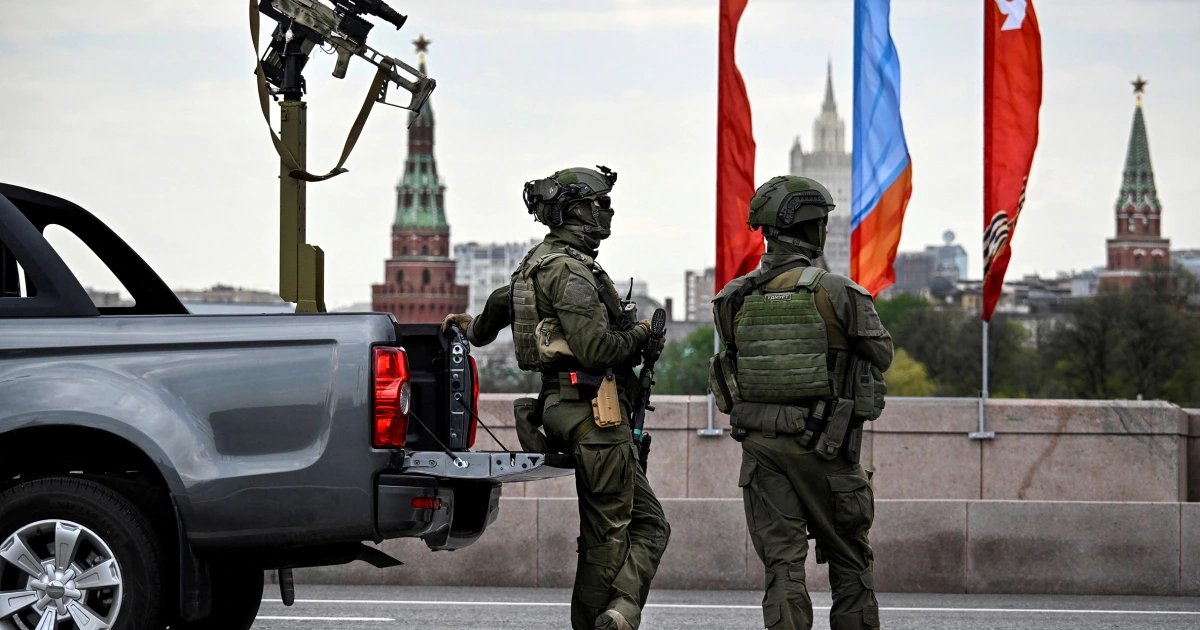
Across his years in power, Putin has put a particular emphasis on the Soviet Union’s victory over Nazi Germany in what Russians call the “Great Patriotic War,” a grounding pillar of national identity.
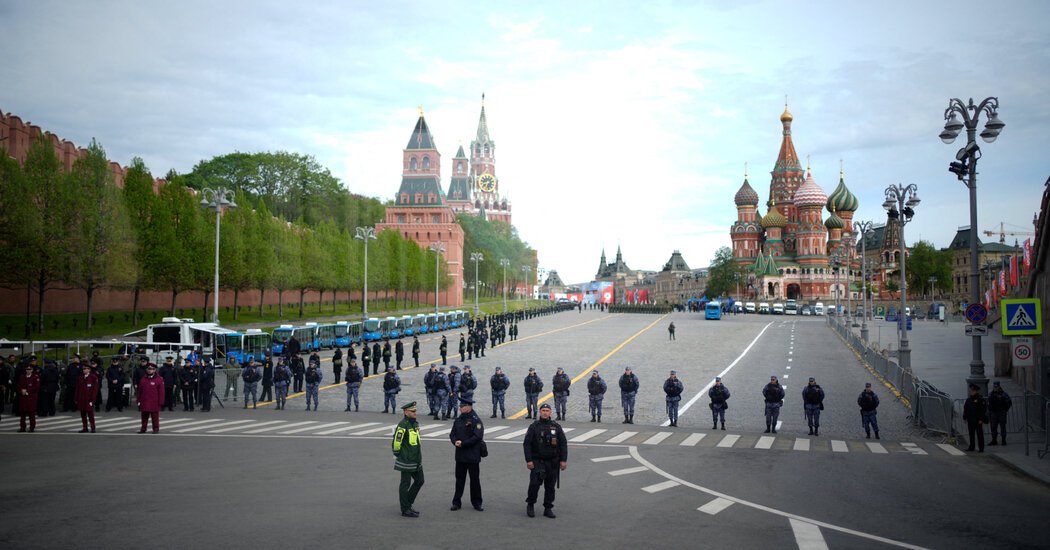
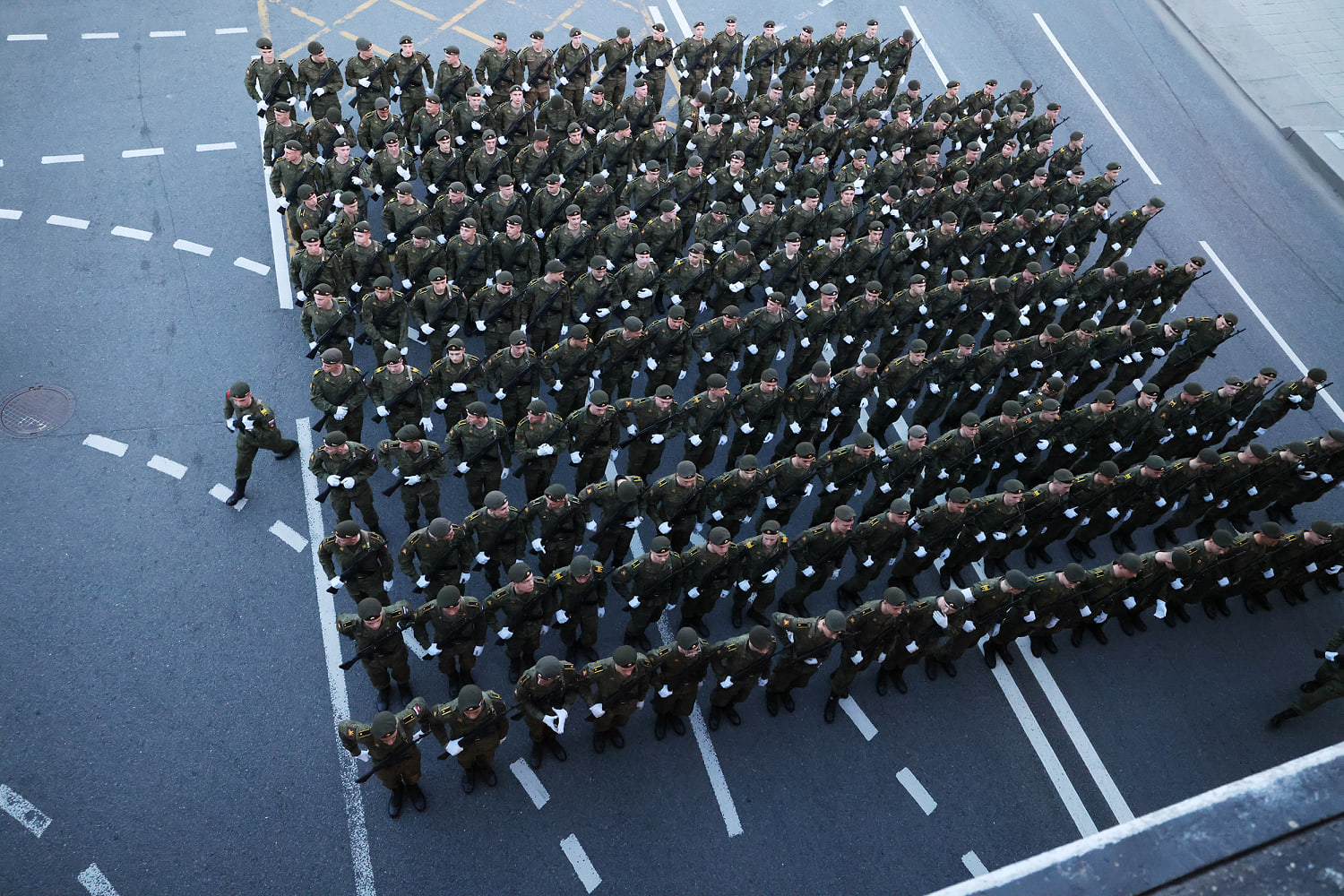
Putin himself re-introduced military hardware to the annual celebration back in 2008, showing off Russia’s stockpiles of tanks and munitions in a shift toward a more aggressive posture.
“It’s not saber rattling,” he declared then. “We don’t threaten anyone, we don’t intend to,” Putin said. “It’s a demonstration of our growing defense capabilities.”
Rena Marutian, professor of the department of global and national security at the Taras Shevchenko National University in Kyiv, said that in 2008, Putin wanted the world “to start fearing Russia again and him personally as its leader.” Now, she said before the ceasefire announcement, “all these tanks, rockets and columns of military equipment” have turned from a projection of strength into “a target.”
For most Russians, May 9, the date when the Soviet Union signed Germany’s capitulation in 1945, holds huge sentimental value, with nearly every family touched by the war that claimed roughly 27 million Soviet lives. But under Putin, the Russian government has chosen to concentrate on the spectacle of the parade over solemn commemoration.
“It’s a holiday that has always been widely celebrated in Russia, but Putin has appropriated it,” said political analyst Kirill Rogov, who runs Russia-focused think tank Re: Russia. “And in that sense, this holiday has become Putin’s holiday, and that of his militaristic and imperialist politics.”
The Kremlin has also tried to symbolically link its victory over Nazi Germany to its war in Ukraine, portraying the fight with Kyiv as the continuation of its struggle against fascism. Russian soldiers fighting in Ukraine have taken part in the Victory Day parades in Moscow since the 2022 invasion.