dailynewsnblog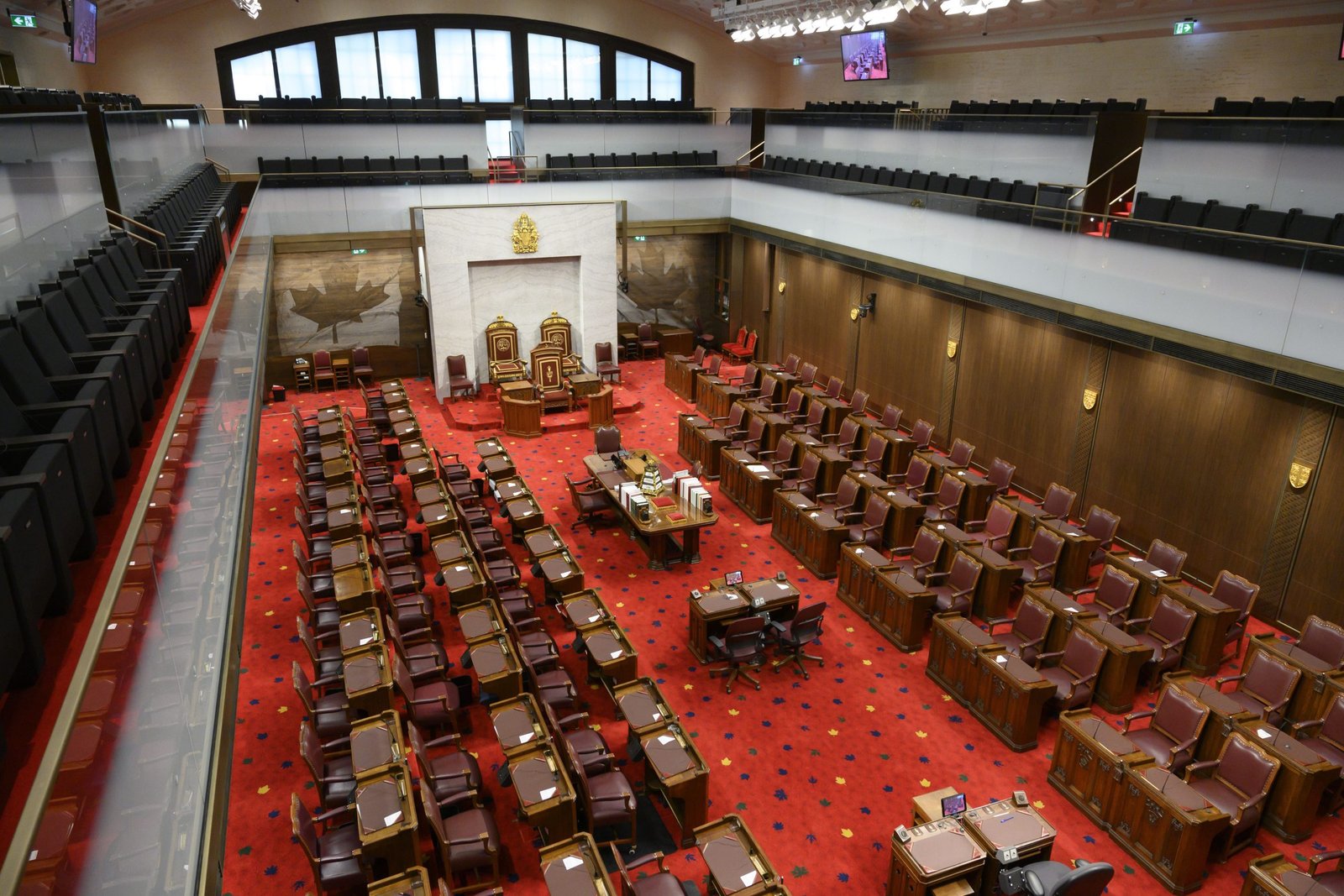
The Canadian Police Association told iPolitics that it’s “disappointed by the pace at which the Senate has chosen to deal with this legislation,” saying that front-line police personnel have been consistently calling for “meaningful bail reform” that would “address the very real risks posed by serious, violent, and repeat offenders.”
The Senate legal committee has completed its review of the Liberals’ bail and sentencing bill with only minor tweaks to the coming in force period for provisions changing youth criminal justice laws.
That amendment — moved by Sen. Pierre J. Dalphond, the bill’s sponsor — has the backing of the government, meaning it’s expected to win the support of the House of Commons when the bill returns.
READ MORE: Criticism grows at Senate’s pace handling key bills as spring sitting enters final stretch
When asked during a committee meeting on Thursday, Dalphond said the amendment was prompted by concerns from provincial governments, which are responsible for implementing the changes.
With clause-by-clause review completed, the bill will now move to the Senate for third reading. However, the committee’s steering committee is preparing a report on the bill that will also include several observations made by members.
As iPolitics reported, senior Liberal government sources have grown frustration with the committee’s refusal to speed up review of the bill, noting that it was a direct response to calls from premiers and municipal police chiefs.
The sources were disappointed the committee shot down a proposal to move up clause-by-clause review of the bill to give it an opportunity to return to the Senate before the start of a two-week break.
With this change rejected, the committee finished clause-by-clause just as the Senate wrapped up its final sitting until May 26.
The Canadian Police Association told iPolitics that it’s also “disappointed by the pace at which the Senate has chosen to deal with this legislation,” saying that front-line police personnel have been consistently calling for “meaningful bail reform” that would “address the very real risks posed by serious, violent, and repeat offenders.”
“Bill C-14 is not a partisan issue. It passed the House of Commons with overwhelming support, reflects a broad national consensus among provincial and territorial governments, and responds directly to concerns that have been raised by municipalities, police leaders, victims, and communities across the country, “read a statement from Tom Stamatakis, the group’s president.
“The Senate has an important role to play, but after three months, Canadians are entitled to ask why a bill with overwhelming support in the House of Commons and broad national backing from governments across the country is still waiting. Public safety legislation should be studied carefully, but it should not be allowed to drift indefinitely.”
Stamatakis added that while Bill C-14 won’t solve every challenge in Canada’s bail system, it remains an “important and necessary step forward.”
“The Senate should move this bill expeditiously and allow Parliament to deliver on a reform that Canadians have been asking for, and that communities across the country deserve.”
READ MORE: Liberals question Senate’s handling of bail reform bill
Bill C-14 was fast-tracked through the House justice committee earlier this year as part of a deal with the Liberals and Conservatives. It would expand the use of reverse-onus provisions in bail hearings for cases involving violent auto-theft, break and enter, human trafficking and smuggling, assault and sexual assault, and extortion involving violence or violent threats.
In most cases, Crown prosecutors have to convince a judge to continue detaining an accused person while awaiting trial. But for serious crimes like murder and armed robbery, the onus is reversed and the accused has to argue for why they should be released.
The Liberals have said the bill was a direct response from calls from premiers, who are upset with repeated offenders quickly returning to the streets after arrests.
The Conservatives framed the bill as flawed but an improvement over the status quo, and lined up to support its speedy passage through Parliament.
It passed on division — which means opposition was noted, but no vote was held — on Feb. 13.
The bill landed in the Senate on Feb. 24, and was referred to committee on March 12. The first hearing on the bill at committee came on March 25.
There were 10 six meetings at committee about the bill. There were only three — including clause-by-clause — at the House justice committee.
The government source said efforts to speed through passage of the bill were thwarted by senators, who called for more time to study the legislation.
Sen. Denise Batters, a Conservative who’s acting as the critic for C-14, said in a statement last week to iPolitics that there’s been “no issues” moving the bill through the committee and the steering committee — which includes members of several groups in the Senate — “established a plan for the study of the bill weeks ago, and we are sticking to that plan.”
She said the move to wrap up clause-by-clause would have involved “holding extra meetings that would have conflicted with either Senate Chamber sittings or other Senate committees, creating scheduling conflicts for our Legal Committee members.”
At committee on Thursday, Batters took issue with comments from unnamed government sources which featured in iPolitics’ previous coverage of the bill, saying members did their due diligence with C-14 and had to deal with the sitting schedule set by the Liberals.
“There has been some media commentary – usually it’s some anonymous senior government source who’s been criticizing the Senate and this committee for taking its time… on Bill C-14. We have only been studying this bill for several weeks, and of course, there have been mandated weeks where we’re back home in our in our ridings during that timeframe, and that’s not something that we can we control,” she said.
“We have been dealing with it in a rigorous basis, and despite anonymous government sources — who I got to think did not come from the Senate, but probably elsewhere — we have been dealing with it on a very effective basis and making sure that sober second thought is is happening, but at the same time doing it in that quick and expeditious way as we can.”
Meanwhile, senators on Thursday passed a motion to allow members of the human rights committee to sit over the upcoming two-week break to begin their study of the Liberals’ anti-hate bill.






![Massive Expansion: easyJet Launches 13 New Routes From The UK [List & Map]](https://dailynewsnblog.com/wp-content/uploads/2026/06/easyjet-airbus-a320neo-taxiing-custom-thumbnail.jpg)