dailynewsnblog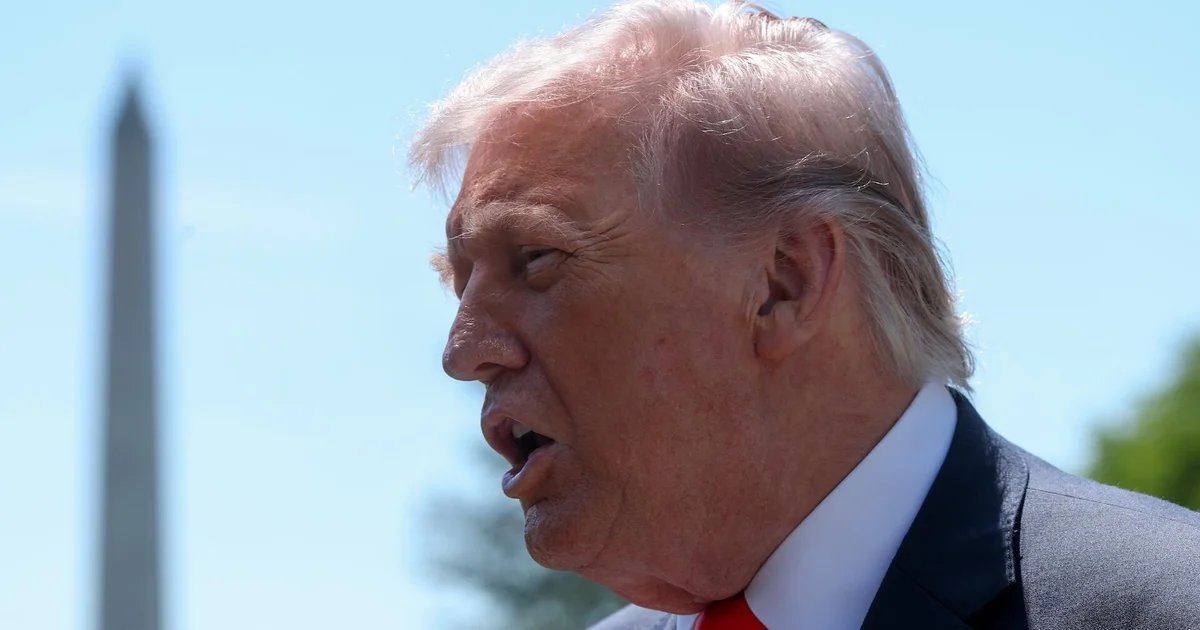
A U.S. trade court on Thursday ruled that President Trump’s latest round of global 10% tariffs are invalid.
In a 2-1 decision, a panel of judges in the U.S. Court of International Trade sided with 24 states and a small group of businesses who filed a lawsuit in March challenging the legality of the Trump administration’s tax on most imports.
Those new tariffs were put in place in February, days after the Supreme Court struck down Mr. Trump’s previous round of sweeping “Liberation Day” tariffs, most of which were issued in April 2025 under the International Emergency Economic Powers Act.
In a 6-3 decision, the Supreme Court ruled that the IEEPA does not give Mr. Trump the authority to impose tariffs.
Following that Supreme Court decision, the White House put in place global tariffs using Section 122 of the Trade Act of 1974, a legal provision that allows the president to impose tariffs for 150 days to deal with “large and serious … balance-of-payments deficits.” The Trump administration is hoping to eventually impose longer-lasting tariffs under yet another legal provision, replacing the temporary Section 122 duties, but it needs to conduct investigations into countries’ trade practices first.
In its 53-page ruling Thursday, the U.S. Court of International Trade called the Section 122 tariffs “unlawful” and noted that they had brought “economic harm” to the plaintiffs.
“Defendants do not explain why they should be permitted to continue the unlawful collection of Section 122 duties from Importer Plaintiffs for the duration of the imposition of such duties,” the judges ruled.
The panel ruled that the Trump administration must stop charging tariffs for the state of Washington and the two businesses that sued. It also ruled that the White House must issue refunds plus interest for all tariffs paid by those three plaintiffs. The court did not issue a universal injunction that struck down the tariffs altogether.
The Trump administration is also expected to begin issuing refunds this month to businesses that paid duties under the IEEPA tariffs.
In its ruling, the court said Mr. Trump didn’t have the right to impose tariffs under Section 122 because that law requires there to be a deficit in the U.S.’s balance of payments, an economic term that refers to the total amount of money flowing in and out of the country. The court noted that the White House proclamation rolling out the tariffs instead focused primarily on two separate, narrower economic concepts: the U.S.’s trade deficit and its current account deficit, or its deficit in goods, services and certain other financial transfers.
Two Obama-appointed judges joined the majority. A George W. Bush-appointed judge dissented.
Asked about the ruling late Thursday, Mr. Trump said “nothing surprises me with the courts,” referring to the judges in the majority as “radical left.” He also suggested that his tariff strategy isn’t going anywhere.
“We always do it a different way,” the president told reporters. “We get one ruling, and we do it a different way.”