dailynewsnblog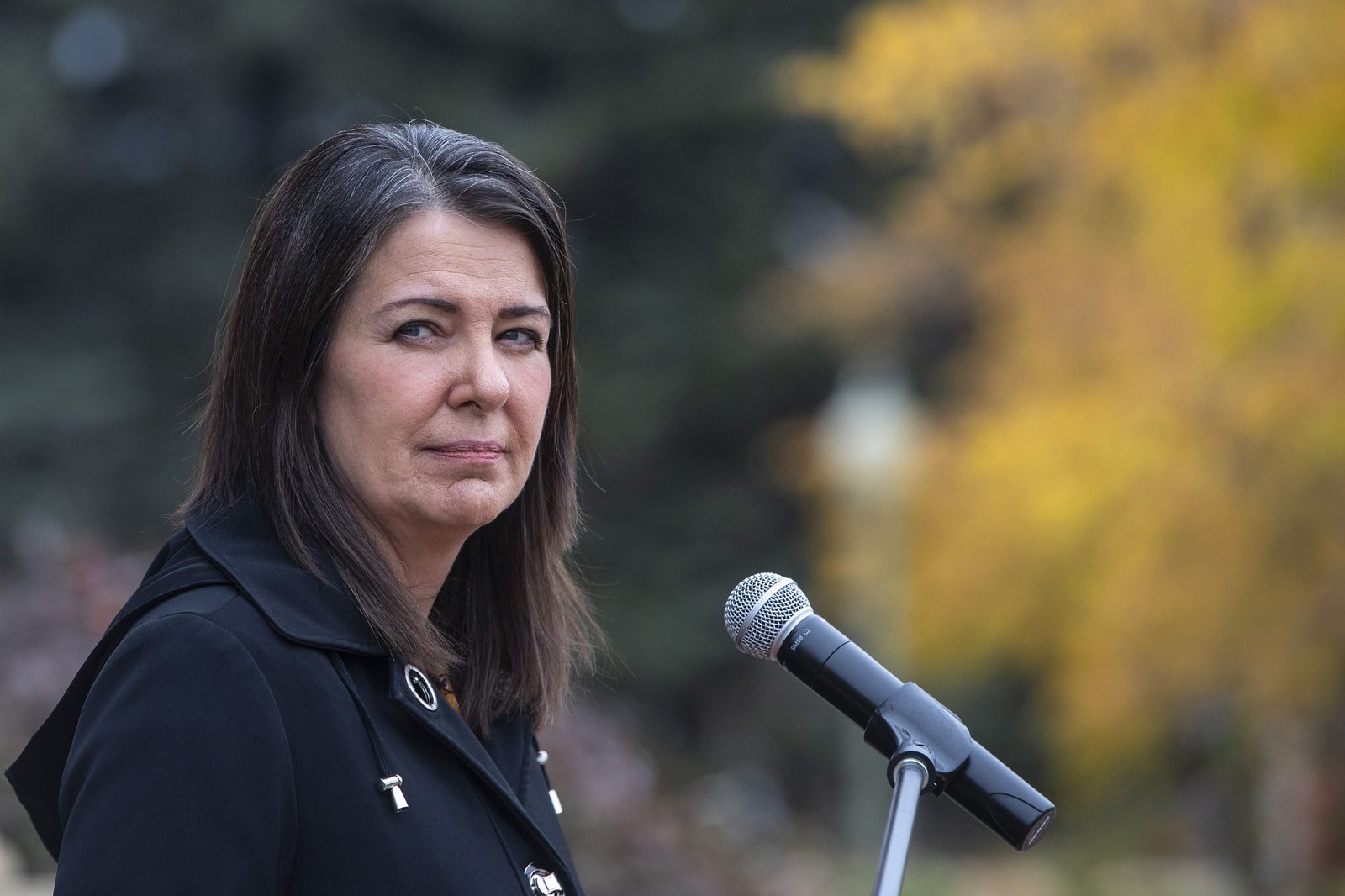
Welcome to Economic Insights, your twice-weekly deep dive into the major projects and policy shifts shaping the Canadian economy.
Stories we are following:
- Minister STEVE MACKINNON tells reporters the government is working on “legislative and administrative” reforms to the regulatory process to help speed up projects. Industry sources tell iPolitics it will involve a suite of proposed amendments to the Impact Assessment Act that could be revealed as early as tomorrow, coinciding with visit in Ottawa by Alberta Premier DANIELLE SMITH. The oil and gas sector has long called for pipeline projects to be removed from the Project List, or for an increase in the threshold that triggers a designation under the act.
- The Ford government is pitching in for early construction work on the site of a new nuclear generating station at Bruce Power. Energy Minister STEPHEN LECCE shared the details of a cost-sharing agreement worth up to $300 million. The project has not yet obtained federal approvals (including from the Canadian Nuclear Safety Commission), and the impact assessment is expected to wrap up in 2028.

Regulatory changes coming?
MacKinnon confirmed the government is looking at possible regulatory changes for resource projects on his way to a cabinet meeting today. This comes after CBC sources said the changes would align with the Carney government’s promise to have one review per project, and could help speed up pipelines.
- What we know: The source told the CBC the changes will be comprehensive, and that industry will likely be pleased, but environmentalists less so.
- Rumours: Industry sources tell iPolitics the government could release a suite of proposals as early as tomorrow, lead consultations in weeks to come, with the goal of amending legislation before the House breaks for the summer.
- Pipeline focus: There could be changes to what triggers a federal impact assessment, to service delivery times or measures that encourage concurrent permitting.
- Not Bill C-5: Sources say the proposed measures will have a different focus than the regulatory powers of the Building Canada Act.
- Political outlook: If these changes streamline the assessment process, they represent Prime Minister Carney’s attempt to refine a major piece of environmental legislation. But depending on how far they go, it could also be perceived as another gutting of Trudeau-era policies.

World’s largest nuclear facility could be built in Ontario with new $300M deal
As per CTV reporting, the Ontario government is moving ahead on a cost-sharing agreement worth up to $300 million to advance the construction of a new nuclear generating station at the Bruce Power site in Kincardine, Ont.
- Details: The deal between the Independent Electricity System Operator (IESO) – the Crown corporation responsible for operating Ontario’s electricity market – and Bruce Power would lay the groundwork for the construction of the new facility, a project known as Bruce C.
- “Major step”: The government says the deal helps advance what would be Ontario’s first large-scale nuclear project in over 30 years.
- Energy go-to: The preparatory work, expected to be complete by 2030, would pave the way for the construction of the Bruce C facility, a proposed 4,800 megawatt (MW) nuclear generating station.
- No permits yet: The project is undergoing an impact assessment expected to wrap up in 2028. It is not yet permitted by the Canadian Nuclear Safety commssion.
By the numbers:
4.8 million: The number of homes that could be powered by the Bruce C facility project.
2050: The timeline the Alberta government would like to see for an increase in the minimum effective carbon price to $130 per tonne, according to a CBC source.
9 per cent: The per cent reduction in emissions from today’s levels by 2040 under a $130 per tonne scenario.
Major projects watch:
— Sources tell the Globe and Mail the Carney government will shutter the Nanisivik Naval Facility, a Harper-era project that never began operations. Former Nunavut Premier PJ AKEEAGOK weighs in on a LinkedIn post: “Let us stop building isolated outposts. Let us start building a partner led nation. Inuit led. Dual use. Done right.”
— Fervo Energy, which is building the first U.S. commercial enhanced geothermal power plant, is eyeing up to a $6.5 billion valuation through Nasdaq. This potentially marks a breakthrough for the technology, at least in terms of access to capital.
— Saskatchewan Premier SCOTT MOE doesn’t think potash should be used as a card in the CUSMA negotiations. “Individual companies are going to make those decisions all the time, so that the discussion doesn’t concern me. That’s a choice that you know, that particular company will make. I respect that.”
Headlines: