dailynewsnblog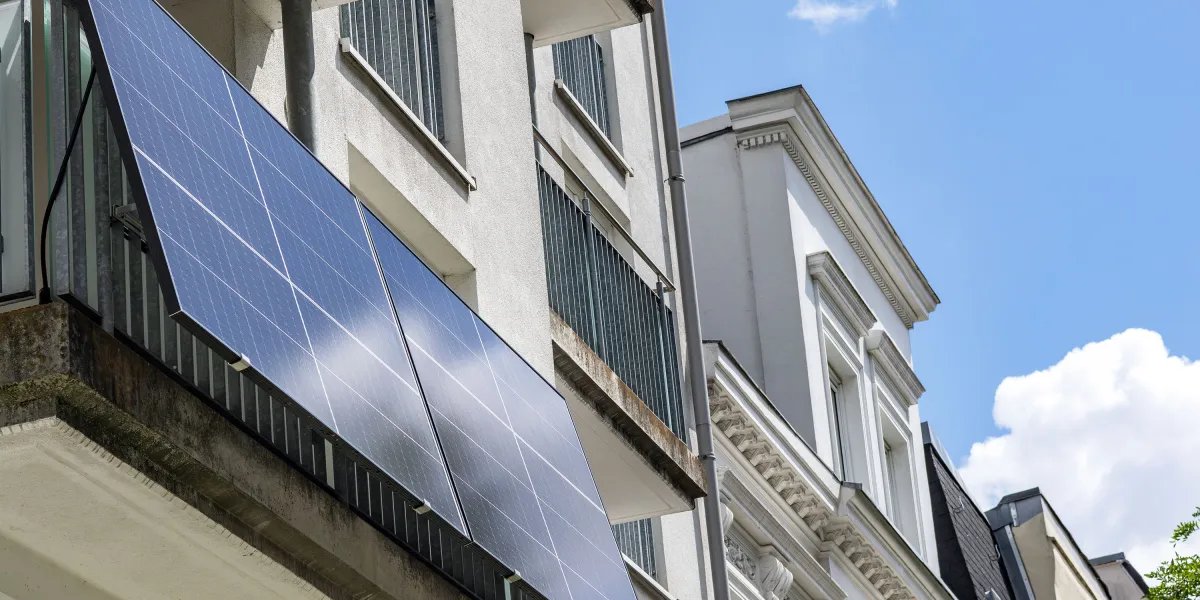
Let’s talk about what balcony solar is, why it’s unique, and how new testing requirements could affect our progress toward deploying the technology in the US.
Plug-in solar systems are designed to be simple to install, often requiring no electrician or specialized worker at all. They’re small, and many can be plugged into existing outlets.
People across Germany have installed over a million balcony solar systems. They generally measure up to roughly two square meters or about 20 square feet, and can generate up to 800 watts—enough to power a standard microwave.
Now the plug-in solar wave is coming to the US. Many Americans have already installed DIY balcony solar without the permission of their utilities—it’s something of a regulatory gray area. In late 2025, Utah became the first state to explicitly allow people to install and use balcony solar systems. Over two dozen other states are now considering similar legislation.
Generally, utilities require users to sign an interconnection agreement before they can plug in large arrays of solar panels that generate power for the grid. There can be fees and permits, and it all amounts to an expensive and lengthy process.
Utah’s law ditched the interconnection requirement for panels that have a low power cap and that are certified by a national testing facility. (Legislation under consideration in other states, including New York, includes the same requirements.) The thinking is that since the panels produce very little power, which would be used to meet a home’s own energy demand and probably not get sent back to the grid, the same requirements shouldn’t apply.
As for that certification piece, in January the national testing and certification lab UL Solutions released UL 3700, a testing protocol to certify balcony solar systems and ensure that they’re safe.
There are three main safety considerations to address for these plug-in solar systems, says Joseph Bablo, manager of principal engineering, energy, and industrial automation at UL Solutions. First, there’s the possibility of overloading a circuit. Generally, electrical circuits have circuit breakers, which can trip and interrupt current if necessary. But if there’s a solar panel adding extra power to a circuit, a traditional breaker might not be able to respond to overload. Over time, overloaded circuits can damage equipment or even start a fire.