dailynewsnblog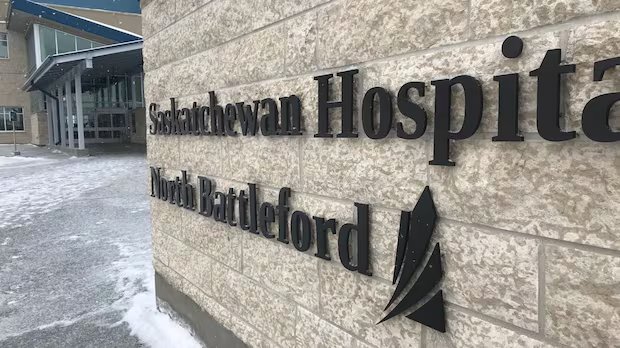

Listen to this article
Estimated 4 minutes
The audio version of this article is generated by AI-based technology. Mispronunciations can occur. We are working with our partners to continually review and improve the results.
As early as this fall, people in Saskatchewan with severe addictions may be forced into treatment at Saskatchewan Hospital, a psychiatric facility in North Battleford.
The Sask. Party on Tuesday passed the Compassionate Intervention Act into law.
The Opposition NDP, the Saskatchewan Medical Association (SMA) and the College of Physicians and Surgeons of Saskatchewan (CPSS) have become vocal about their opposition to the law’s implementation.
“In those most severe instances, that’s not something that this team had a problem with,” NDP Leader Carla Beck said during Tuesday’s question period.
“What we had a problem with was the government’s unwillingness to address the whole rest of the spectrum, the majority of people, from prevention to voluntary treatment. And again, that’s why we could not support the bill as it stands.”
Addictions Minister Lori Carr said the hope is to get involuntary treatment started within the year.

“First we have to get the regulations in place,” Carr said. “Then we have to build the board, get the health professionals, the legal professionals, the community members, the First Nation representation, that panel of individuals that will actually work with that, get the assessment centres set up.”
Carr said people being assessed for forced treatment will get legal representation through every stage of the process.

The Saskatchewan government has passed the controversial Compassionate Intervention Act that allows forced treatment for some people with addictions.
“Inputs from Saskatchewan physicians highlight that involuntary addiction treatment is not supported by clinical evidence and may increase the risk of overdose following release from detention,” the SMA and the CPSS said in a joint statement in early April.
“Improving access to voluntary, evidence-based, culturally safe services must remain the foundation of Saskatchewan’s response.”
A provincial government news release says family members of people with addictions will be able to request an assessment for their loved one “through the court with a judge’s warrant. Law enforcement can also intervene if a person’s substance use is putting their own life or the lives of others at serious risk.”
It says the first assessment centre will be located in North Battleford.
“Individuals may only be brought to a Compassionate Intervention Assessment Centre for an assessment to determine if they require treatment by police or peace officer, referred by a prescribed medical professional, or through a judge’s warrant,” the release says.
Once the plan is fully implemented, assessment centres will be set up across the province, and feed into an involuntary inpatient unit located at Saskatchewan Hospital. The provincial government says the act is expected to come into force this fall after regulations have been finalized.
The SMA’s joint statement said the health-care system is not ready for this.
“Emergency departments and other frontline services are already under severe strain, and the system does not have the capacity required to safely implement involuntary pathways,” the statement said.
“Without clear, non-emergency department intake pathways and adequately resourced, trauma-informed teams, implementation risks worsening overcrowding, burnout, and care delays.”
The John Howard Society of Saskatchewan, which advocates for incarcerated people, echoed the concerns expressed by the physicians’ organizations.
The 3066:47Physicians are voicing their concerns with the Sask. legislation on forced drug treatment
The provincial government is putting physicians in a difficult spot. How do you decide if a person requires forced drug treatment? We ask the president of the Saskatchewan Medical Association about their concerns.
“If not handled correctly, we believe this legislation could infringe on individuals’ Charter rights since people who have not committed a crime will be detained against their will,” the organization said in a news release.
“In speaking with experts, peer organizations from across Canada, staff and clients, many that have first-hand experience with addictions understand that recovery only works when those faced with addiction choose to participate,” it added.
The safety of people released from forced treatment is also a concern, the John Howard Society said.
“People released from prison are at a higher risk of overdosing, due to their decreased tolerance levels. If the proposed Act operates in this manner, individuals detained due to this legislation may be at significant risk.”