dailynewsnblog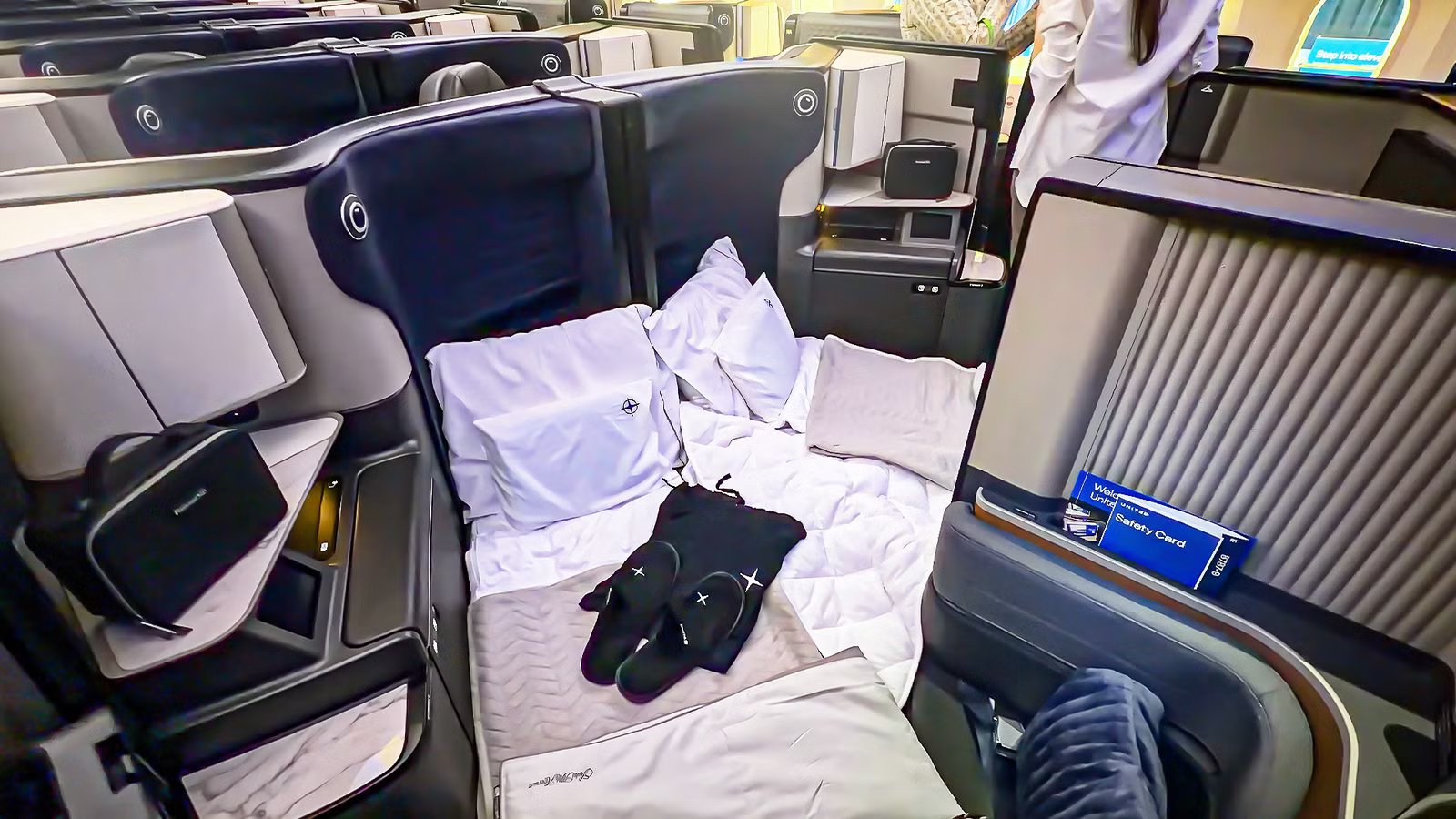
Since the pandemic, demand for premium cabins has reached all-time highs, driven by an increase in demand from leisure travelers. As a result, airlines have been investing heavily in their most luxurious products and have now found a new opportunity to earn additional revenue by using the underutilized space at the front of the business class cabin to introduce so-called “business class plus” seats.
While the seats in the first row of the business class cabin were often already larger due to layout limitations, airlines largely ignored these and assigned them to passengers like any other. However, with strong premium demand, there is now a commercial opportunity to charge more for these seats, which in some cases also come with differentiated soft products. In the US, both  United Airlines and
  American Airlines are now offering such a “business class plus” product. However, these products diverge in terms of soft and hard products, as well as commercial strategy.
Why Airlines Are Investing In Business Plus Seats

It is no secret that airlines are continuously looking for additional revenue, and one of the most effective methods to do this is to optimize their cabin configurations to maximize revenue per square foot/meter. This can be done in various ways, from adding as many economy class seats as possible into a cabin and focusing on volume to maximizing revenue per seat with a differentiated mix of (premium) cabin classes.
Given the growth in premium travel demand in the years after the pandemic, this latter method of revenue optimization is becoming even more important. Perhaps the best-known development in this regard is the rising popularity of premium economy cabins, which primarily attracts both leisure travelers seeking more comfort and price-conscious business travelers. The cabin class is now installed on around 45% of widebody aircraft worldwide. In North America, especially premium economy is even more popular, with up to 90% of widebodies on the continent featuring the cabin class.
Similar to the popularity of premium economy, an increasing number of airlines are also starting to install “business plus” products. Important to note, however, is that these new types of seats are not a cabin class of their own, but rather larger business class seats, often presented as suites with privacy doors. In some cases, these seats also come with an improved soft product, including additional amenities and expanded service offerings.
The reason airlines are now introducing such a product is no coincidence. High demand for business class provides additional opportunities to differentiate and upsell to passengers with a higher willingness to pay. To some extent, the new “business class plus” seats also fill the void left by the discontinuation of first class cabins at many airlines. Some airlines also use the new product as a marketing strategy, offering frequent fliers additional perks, at a time when travelers are becoming increasingly “unloyal”. Furthermore, the popularity of premium cabins is pushing airlines to invest more in these cabin classes, and retrofits provide the perfect opportunity to install new products that utilize the additional space in the front, space previously seen as inefficient by airlines and that did not receive much attention.
This Is United’s Polaris Studio Seat

Part of United’s Elevated Aircraft Interiors program and subsequent “Polaris 2.0”, the Chicago-based carrier will introduce a new Polaris Studio seat at the front of the Polaris Cabin. While all new Polaris seats will feature privacy sliding doors and larger in-flight entertainment screens, the airline’s new flagship “business plus” product, the Polaris Studio, will be around 25% larger than the regular seats.
The Polaris Studio seat, which is based on the Adient Ascent platform, will also feature a massive 27-inch (68.6 cm), 4K OLED IFE screen, the largest screen of any US airline. Unsurprisingly, all of these seats are full lie-flat seats with direct aisle access and will be installed in the first two rows of the business-class cabin. In addition to a better seat, passengers traveling in the Polaris Studio will receive an enhanced soft product, including upgraded amenity kits and exclusive dining options.
Overall, the elevated interior program is a full transformation for the entire aircraft, providing “refined finishes and a fresher, brighter and warmer feel throughout.” This includes not only the Polaris cabin but also the economy and premium plus cabins, which will also receive upgrades to improve passenger comfort. Furthermore, the 787s featuring the elevated cabin will be among the most premium-heavy in the industry.
With a total of 99 premium seats, including 56 regular Polaris seats and eight Polaris Studios in a 1-2-1 configuration, around 45% of the aircraft’s seats are in premium cabins. Unsurprisingly, the carrier will deploy these aircraft in its premium-heavy markets, such as between San Francisco (SFO) and London (LHR), as well as Singapore (SIN). The new seats will be installed on all newly delivered 787-9 aircraft and represent a real improvement over the previous-generation Polaris seats. By 2027, United expects to have received up to 30 aircraft featuring the new cabin product. The “Elevated Interior” will eventually also be retrofitted to the airline’s Boeing 777 fleet; however, as of writing, it is unclear whether this will include the United Polaris Studio product.
Andrew Nocella, EVP and Chief Commercial Officer at United, said the following about the new product:
“We already deliver a superior international experience and fly to most places across the Atlantic and Pacific — these new innovations provide a more premium experience overall, give customers even more reasons to choose United, and set our airline up to grow into the next decade and beyond.”
United Airlines To Debut New Polaris Suites Without Full Passenger Privacy
United’s new Polaris suites debut on 787-9s with locked doors due to certification delays, echoing a similar issue faced by American Airlines.
How Does American’s Flagship Suite Preferred Compare?

American Airlines, on the other hand, introduced its “business class plus” product, Flagship Suite Preferred, a while back already. This extra-large seat is available on the airline’s newly delivered Boeing 787-9s, Airbus A321XLR, and retrofitted Boeing 777-300ERs. Similar to United, these seats offer more space compared to the other seats in business class and are installed in the first row of the business class cabin. The introduction of the seat was part of the wider rollout of American’s new Flagship Suite product, which is said to increase the airline’s premium capacity by 45% this year compared to 2024.
Similar to United Airlines, American’s Flagship Suite Preferred is also based on the Adient Ascent platform. The lie-flat seat features a privacy door with direct aisle access, wireless charging, USB-C and AC power, and more personal storage, all similar to what United’s Polaris Studio seat also offers. Perhaps the most noteworthy difference is the IFE screen, with American offering a similar-sized screen throughout the entire business cabin, which is a much smaller 4K screen at 17.5-inches (44.5 cm) compared to United’s large 27-inch (68.6 cm) screen.
However, the Flagship Suite Preferred does win over United’s Polaris Studio in terms of space, with sources claiming that American’s seat offers over 40% more space than the regular business class seats, whereas United only provides passengers with 25% more space. At the same time, for some, the downside is that the two seats in the center cannot be turned into a companion seat, something that is possible at United.
Besides differences in the hard product, the airlines’ soft product also differs. United provides passengers with an enhanced in-flight experience through improved amenities, services, and dining options. American, on the other hand, is keeping this more streamlined with the offering in the rest of the business-class cabin, though the airline does provide passengers in the bulk seat with an improved pillow, amenity kits, among other things, to enhance comfort.
These differences in product offerings also clearly reflect the diverging commercial strategies the airlines take surrounding their “business plus” seats. For United, the Polaris Studio is a distinct product bookable as an add-on and meant to boost revenue, while American currently uses Flagship Preferred much more as a loyalty-focused “soft” upgrade within the same cabin. American is expected to eventually introduce a surcharge for Preferred suites as the rollout completes, moving closer to United’s model.
United Airlines To Debut New Polaris Suites Without Full Passenger Privacy
United’s new Polaris suites debut on 787-9s with locked doors due to certification delays, echoing a similar issue faced by American Airlines.
These Other Airlines Offer A “Business Plus” Product

Besides American and United, there are several other airlines that have installed a large bulk-head business class seat. Many of these airlines, especially those serving the transatlantic market, offer the seat as an add-on to the regular business class fare, with passengers able to pay for seat selection during booking or later. This means airlines are effectively offering the larger seat as an ancillary revenue stream, improving marginal revenue.
Overview of Transatlantic “Business Plus” Products * | ||
|---|---|---|
Airline | Aircraft | Product |
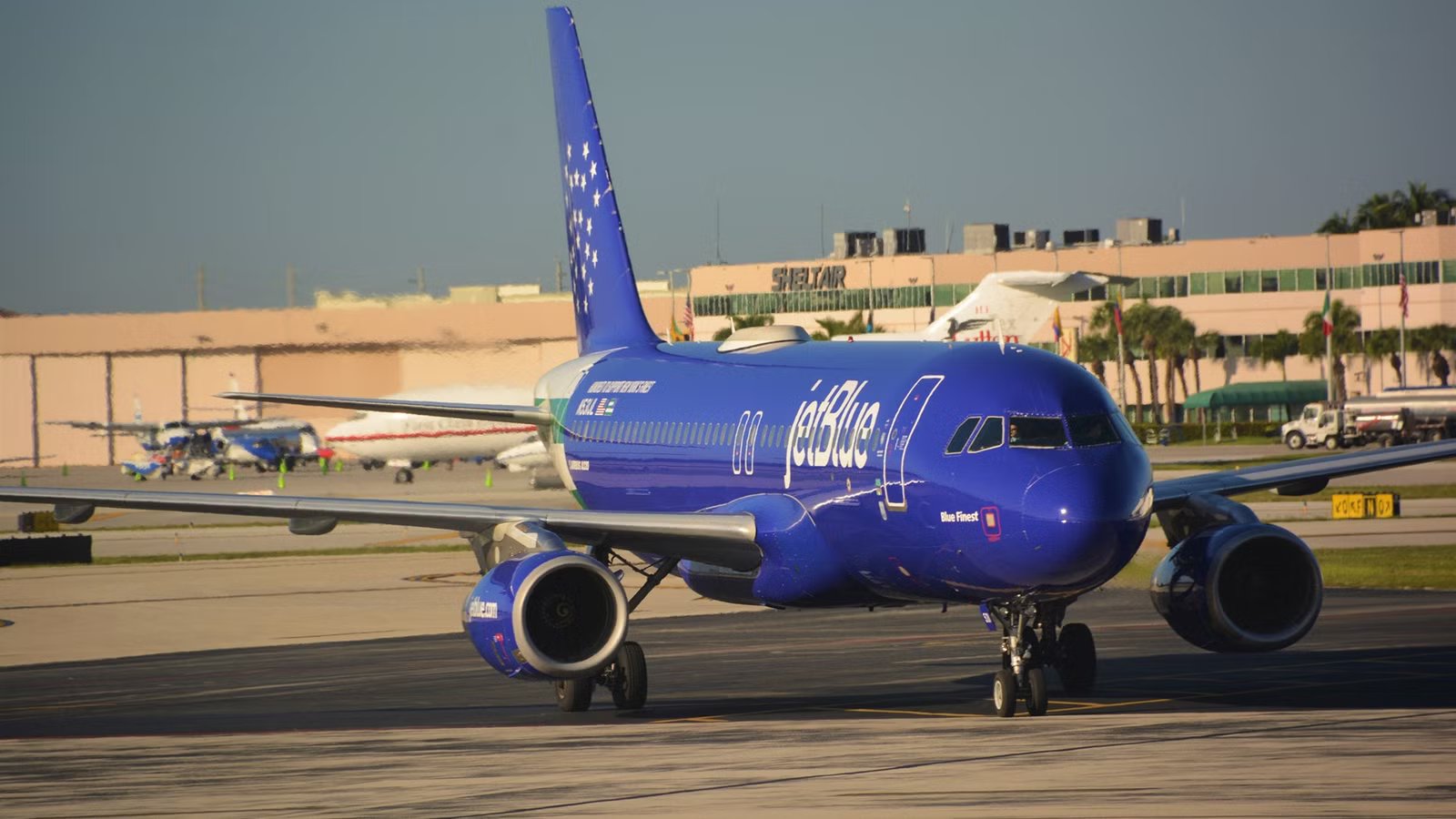
JetBlue | A321neo | Mint Studio |
United Airlines | B787-9 | United Polaris Studio |
Virgin Atlantic | A330-900neo | Retreat Suite |
Lufthansa | A350-900 | Allegris Suite |
Air France | A350-900 & B777-300ER | Business Suite |
Condor | A330-900neo | Prime Suite |
SWISS | A350-900 | Senses Business Suite |
ITA Airways | A321neo | No custom branding |
American Airlines | B787-9, B777-300ER & A321XLR | Flagship Suite Preferred |
* Please note other products not mentioned might exist | ||
On the other hand, many Asian airlines have found alternative commercial propositions for the seat.  Singapore Airlines, for example, uses the seat as a marketing advantage rather than a method to generate additional revenue by offering the larger seats at no additional cost to members of the airline’s loyalty program, KrisFlyer. Something
  Air France has also recently started offering to its Flying Blue Ultimate members. Others, such as China Eastern Airlines, Oman Air, and Asiana Airlines, sell the seat as a stand-alone product and require it to be selected during the initial reservation as a separate booking option.