dailynewsnblog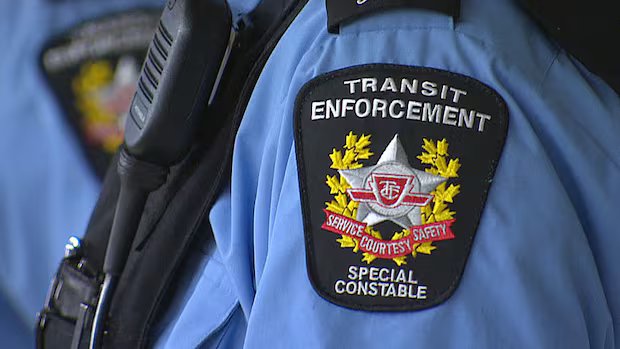

Listen to this article
Estimated 5 minutes
The audio version of this article is generated by AI-based technology. Mispronunciations can occur. We are working with our partners to continually review and improve the results.
As part of a crackdown on illegal drug use in public spaces, the Ontario government says it will allow special constables to make arrests on transit, a proposal advocates warn risks victimizing the province’s most vulnerable people.
Solicitor General Michael Kerzner told reporters at Downsview station Monday that the move is about making people feel safe on their commutes, as interactions with people using illegal drugs in enclosed spaces like buses, streetcars, subways or trains can be frightening and dangerous.
“Far too many Ontarians are encountering individuals whose behavior is affected by these substances in their day-to-day lives, on their way to work,” he said. “If somebody’s riding on the subway below us, they have every right to feel safe.”
Special constables on GO Transit, the Toronto Transit Commission (TTC) and OC Transpo in Ottawa would have the authority to stop people from using illegal substances on transit and issue tickets or make arrests if people don’t comply.
In Toronto, the special constables who patrol the TTC are known as peace officers and are appointed by the Toronto Police Services Board, but do not have firearms — only pepper spray and a baton.

Kerzner said the regulatory change will be part of a package of upcoming legislative measures, and would come into effect in July. It would amend a law passed in 2025, the Restricting Public Consumption of Illegal Substances Act, meant to prevent public drug use.
The regulatory change will also include banning the ownership of pill presses and precursor chemicals for the purposes of making illegal drugs. As well, the government plans to make it an offence for commercial landlords to knowingly allow illegal drug production on their properties.
Premier Doug Ford said in a post on X Monday that “Ontario transit riders have had enough of dangerous, illegal and open drug use on our subways, buses and streetcars.”
Advocates say more policing not the answer
But the Canadian Civil Liberties Association (CCLA) voiced concerns Monday over how the change would affect Ontario’s unhoused and racialized populations, saying more policing will not effectively address public drug use, and could lead to the profiling of marginalized groups on subways, streetcars and buses.
“You don’t solve these public health issues with more policing and law enforcement,” said Harini Sivalingam, CCLA equality director. “You solve them with care, housing, support and community.”
She said trained crisis workers would be better suited to respond to emergencies on transit, and the Ford government was actually adding to public safety issues caused by the province’s toxic drug crisis by ending funding for supervised consumption sites.
Andrew Pulsifer, executive director of transit advocacy group TTCRiders, told CBC News he doesn’t support the bill, citing similar concerns about increased policing.
“We’re very concerned that it’s going to lead to racial profiling, criminalization of poverty and other things,” he said.
“A more compassionate approach to people who are in crisis is always, I think, a better approach,” said Pulsifer. “We have to realize that there are several people who are taking the TTC that will feel less safe with an increased police presence.”

When the Ford government first proposed giving special constables authority to make drug-related arrests on transit earlier this year, advocacy group TTCriders said it preferred the city’s pilot to add crisis workers to downtown subways. The Toronto Community Crisis Service was launched by Mayor Olivia Chow in 2024 to resolve mental health calls without police.
Other advocates worried at the time the change could further criminalize homelessness.
Pulsifer also said he’s concerned about the provincial government being involved in decisions regarding local public transit. He said the bill puts the autonomy of the TTC and the city of Toronto at risk, which would make it harder for riders to make their voices heard.
“Right now, as transit riders and as transit advocates, we can go to city hall and speak at a TTC board meeting to have our voices heard,” he said.
“You don’t have that same kind of access at Queen’s Park,” said Pulsifer.
Marvin Alfred, president of Toronto transit union ATU Local 113, condemned Bill 98, saying it could take away decision-making powers from local councilors and the TTC board.
“We feel as though the provincial government’s going around them, taking this kind of a strong-arm approach to delivering transit is wrong,” said Alfred.
He said, to help improve safety on transit, the provincial government could increase funding for social supports rather than increasing control.
“Right now people are turning to the transit system as a means of refuge,” said Alfred. “That should not be the case.”