dailynewsnblog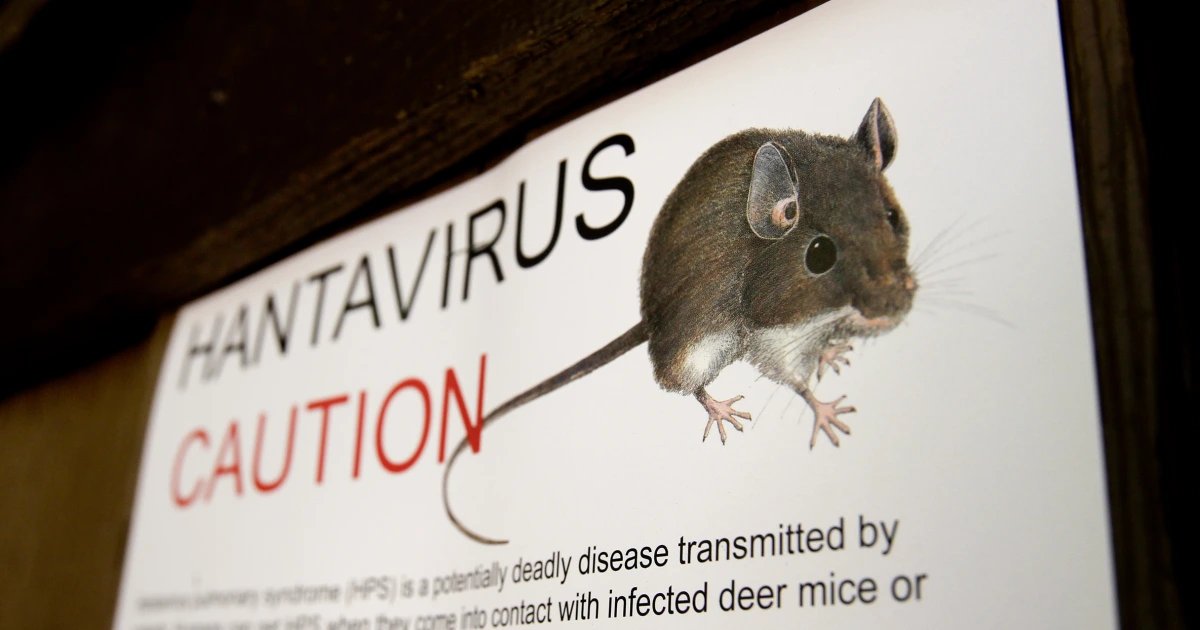
The virus that is believed to be responsible for the deaths of three people and the illnesses of three others aboard a cruise ship over the weekend is a relatively rare but devastating threat without a vaccine, treatment or cure.
Subscribe to read this story ad-free
Get unlimited access to ad-free articles and exclusive content.

Hantaviruses, a family of pathogens, are spread by rodents, mostly mice, and excreted in the animals’ saliva, droppings and urine.
On Sunday, the World Health Organization said hantavirus was confirmed in one case on a cruise ship in the Atlantic Ocean and suspected in five others. Three people died, one passenger was in intensive care in South Africa, and two ailing crew members remained on board and were in need of urgent medical care, the cruise line Oceanwide Expeditions said.

Last year the virus killed Betsy Arakawa, the wife of Gene Hackman.
Arakawa, 65, died from hantavirus pulmonary syndrome, and Hackman, 95, died a week later of hypertensive and atherosclerotic cardiovascular disease, officials have said. Alzheimer’s disease was a significant contributory factor in Hackman’s death.
In New Mexico, where Arakawa and Hackman lived, the most common carrier of hantavirus is the deer mouse, a small creature with a white underbelly, large eyes and oversize ears.
“It’s a horrible disease,” said Dr. Jeff Duchin, a retired public health officer in Seattle who helped characterize the first known outbreak of the disease in the U.S. in 1993. “It’s not uniformly fatal and it’s not always severe, but the fatality rate is still thought to be up to 40%, which is really high.”

What are the symptoms?
In the U.S., when a person is infected, the virus often causes fatigue, fever and muscle aches, according to the Centers for Disease Control and Prevention. Some people dealing with the infection, called hantavirus pulmonary syndrome (HPS), can have headaches, dizziness, chills and stomach problems.
“Initially, there’s nothing specific that would tell you you have hantavirus. You could think you have Covid or influenza, or just a really bad community acquired infection,” Duchin said.
Dr. Scott Roberts, an assistant professor at Yale School of Medicine, said symptoms can take up to eight weeks to present after an exposure. “It’s very possible this is missed,” he said.
In the most severe cases, hantaviruses can progress to the lungs and cause a dangerous respiratory disease. Symptoms include coughing, shortness of breath and fluid in the lungs.
“The fatal, rapidly progressive pulmonary illness can come on very quickly, in hours. That, itself, can become fatal on a very short timeline,” Duchin said.
In its late stages, he added, the illness causes a “drop in blood pressure — leaky blood vessels — and that causes fluid to seep into the lungs and tissues and makes it very difficult to get oxygen and lowers the blood pressure, which is usually the cause of death and severe illness.”

How common is hantavirus?
The disease was first characterized in the United States in 1993 after an outbreak in the Four Corners area of the Southwest by a team of CDC staffers including Duchin and local New Mexico clinicians. Fourteen people ultimately died in the outbreak.
“Prior to 1993, this virus was not known and there was no other recognized hemorrhagic fever virus” in the U.S., said Duchin, who was part of the CDC’s Epidemic Intelligence Service in 1993. “Young, healthy people were dying from this rapidly progressive pulmonary disease with no other explanation, which really set off alarm bells.”
There have been at least 129 cases of hantavirus confirmed in New Mexico since 1993, according to the CDC. More than 890 cases of hantavirus were reported nationwide from 1993 to 2023.
“There’s not much we can do — no vaccine, no treatment, it’s supportive care,” Roberts said. “The best way to treat this is prevention.”
How do people get the disease?

The disease is most frequently reported in the western United States, and particularly the Southwest, where deer mice are common.
“That’s where it circulates in the animal population. That’s where animals get infected and humans follow,” Roberts said.
People tend to get hantavirus when they disturb droppings or urine from mice in the dusty corners of barns, cabins or outbuildings near forested land, including during cleaning.
Human-to-human transmission is not out of the question.
“While rare, hantavirus may spread between people, and can lead to severe respiratory illness and requires careful patient monitoring, support and response,” the World Health Organization said.
The hantavirus family is also a concern in Europe and Asia, where a different version of the virus is spread by other rodent species, and can cause hemorrhagic fever with renal syndrome (HFRS).
Preventing hantavirus
The New Mexico Department of Health assessed the risk from hantavirus inside Hackman and Arakawa’s home as low but found evidence of rodents elsewhere, Erin Phipps, the state public health veterinarian, said at the time.
“We did identify signs of rodent entry in other structures on the property,” Phipps said.
It was unclear then how Arakawa contracted the disease.
If cleaning up living spaces after a rodent infestation, Phipps said it is important to wear gloves, use an N95 respirator, open windows and rely on disinfectants.
Other steps should also be taken, Phipps said, including “avoiding contact with or breathing in aerosolized rodent urine or feces, especially in a poorly ventilated area.”
“Never sweep up or vacuum mouse droppings, since this can spread particles up into the air,” she said.