dailynewsnblog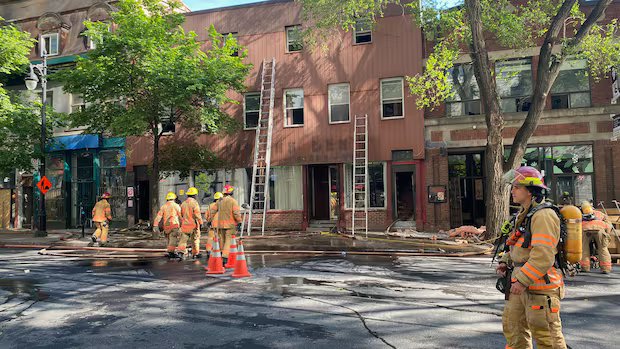
When a fire ripped through Jane Lu’s family home in May 2024, Montreal firefighters had to punch holes in the floors and ceiling to make sure it was out.
There were pieces of gyprock, wood and drenched insulation everywhere.
The fire started in the Bouillon Bilk restaurant on St-Laurent Boulevard in the early morning hours and quickly spread. It forced Lu’s elderly father and brother out of their apartments on the second floor as well as the tenants on the top floor.
The water damage was extensive.
“We had to get an engineer’s report that said it was pretty much a 90 per cent loss,” said Lu. “They had to condemn the building.”
As they spoke to claims adjusters and their insurance company, Lu’s family realized they didn’t have enough money to rebuild.
They wanted to demolish the building and leave the land vacant, but the city said that was not possible without a concrete plan to rebuild.
“We’re not in the building-making business,” said Lu, whose family was simultaneously dealing with the stress of losing their home and moving.

What followed was months of uncertainty about what to do with the building. Lu’s experience reflects the hurdles some property owners face navigating the city’s policies around vacant buildings.
Earlier this week, CBC reported on the city’s slow progress when it comes to tracking abandoned buildings and fining property owners for poor maintenance.
In Lu’s case, she says her family wanted to act, but they felt hamstrung by the city’s by-the-book approach and lack of support.
“There’s a certain amount of bureaucracy that is kind of hard to get through,” said Lu.
Another fire after further delays
Following the fire, the building remained vacant.
An engineering report said no one should access the building other than workers to remove debris and personal belongings.
Structurally, it was not at risk of collapsing, but Lu’s family worried squatters may get in and cause another fire.
They had reason to be concerned. Two months before the fire at their building, a vacant building behind them on St-Dominique burned down. Squatters were known to frequent the building.
Without the financial means to rebuild, Lu’s family requested a demolition permit, thinking it was safer to bring the building down while they figured out what to do with the property.
But the city wouldn’t grant them the permit until the Lus submitted plans for a replacement project first. They also had to prove they had financing.
“If this is going to cost $4 million and we don’t have $4 million, you’re going to allow a building to stay up and it’s deemed dangerous?” said Lu. “This is not protecting the public.”
To keep the building safe, the doors and windows were barricaded and a fence at the back blocked access. But less than a year after the first fire, Lu says a squatter forced their way into the restaurant and started a fire in the basement.
“The place went up in flames,” she said.
More than 100 firefighters were needed to put the fire out. The damage caused the building to collapse, so the fire department had no choice but to demolish it, said Lu.

Flexibility needed
Even professional developers find themselves struggling to navigate the city’s rules.
Daniel Goodfellow has bought and renovated a few vacant buildings, including in Montreal’s Plateau neighbourhood, which is especially strict about preserving the area’s architectural heritage. He says the experience was so unpleasant, he vowed to never build in the Plateau again.
Unless the property is an imminent threat to public safety, he says the city is reluctant to grant demolition permits.
“They want to hold leverage over the property owners,” Goodfellow speculates.
He thinks the city believes if the building is still standing, they can try to force the owner to make repairs or sell the property.
“If you knock the building down, then you can essentially let it be a vacant lot for the next 30 years,” he said.
But he says there is a big difference between holding onto a property or vacant lot for speculation and what Lu’s family went through.
“They’re not builders,” said Goodfellow. “Like how can you expect them to go hire an architect and engineers and draw out plans and get financed?”
The choice is either a fire sale or living with the risk that somebody may get hurt in a subsequent fire, he added.

The head of Montreal’s firefighters’ association says it’s not uncommon for vacant buildings to burn more than once.
“I think what the average firefighter would tell you is we hope that when those vacant buildings catch fire, they burn to the ground because if they don’t burn to the ground and we don’t tear them down, we know we’re going to be back,” said Chris Ross.
Heritage preservation
The City of Montreal confirmed a demolition request is reviewed based on the proposed replacement project, which must be of “greater public interest” than the building to be demolished.
The city would not answer specific questions concerning Lu’s property, but said owners can apply for a special emergency permit if the building is considered a danger to the public, said Caroline Braun, the executive committee member in charge of housing.
When asked why a vacant lot is considered worse than a building that may deteriorate and stay empty for years, Braun said the goal is to preserve the cultural and architectural heritage of Montreal.
“We don’t want people to just destroy all the buildings that have a certain value just because it’s more expensive to repair it than to rebuild something new,” said Braun.

Ross says while he understands that the city wants to protect heritage buildings, he says leaving fire-damaged buildings vacant is not a good solution.
“We really have two choices: You demolish it or you renovate it and bring it up to standards. You can’t leave it vacant and hope that it’s not going to happen again,” he said.
Lu’s building did not have heritage status at the time of the fires, although some local architects believe it had historical significance.
Lu understands there are negligent owners, but thinks the city needs to work with owners on a case-by-case basis and judge them based on their track record.
“Do they pay their taxes, do they respect the rules of the city?” said Lu. “But if they don’t have the manpower to be able to evaluate that, that’s really hard.”