dailynewsnblog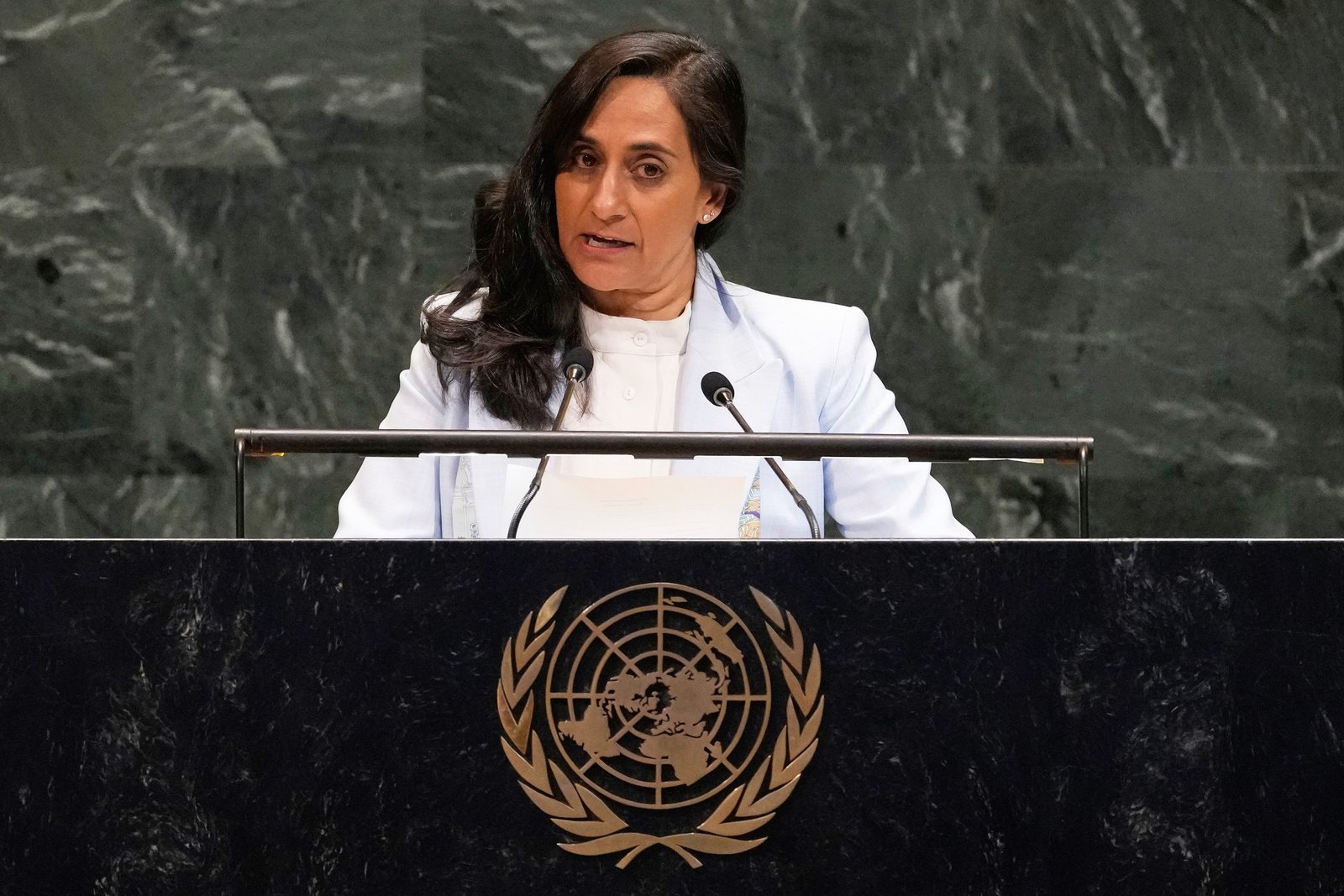
Canada should integrate civic space benchmarks into trade relationships, align development funding with long-term civil society resilience, and use diplomatic leverage consistently when civic actors are targeted — including in countries of economic or strategic importance
Václav Havel once wrote, “Hope is not the conviction that something will turn out well, but the certainty that something makes sense — regardless of how it turns out.” It is a useful frame for this fragile and uncertain moment in our country’s history.
We tend to think of infrastructure as physical: roads, bridges, power grids. We know these require sustained investment — you don’t build a bridge when you need it; you build it in advance. What we’ve been slower to recognize is that civic space belongs in the same category. It is not a luxury. It is the connective tissue that makes everything else — our economy, security, health systems and democratic institutions — sustainable.
Civic space is where citizens hold power to account in real time — not just during elections, but where policies meet lived reality. It is where errors are brought to light, corruption is exposed and course corrections are made before problems become crises. Healthy civic space underpins resilient, inclusive societies.
This is not abstract. As Anita Anand, Minister of Foreign Affairs, noted at the Ottawa Civic Space Summit, Canada’s “principled pragmatism” in foreign policy rests not only on military and economic strength, but also on informed, engaged citizens capable of demanding accountability.
“In order for a country to be strong, in order for institutions to thrive, citizens themselves must feel safe and protected, and they must have the economic means to survive. And in my viewpoint, therefore, these ideas are deeply integrated,” Anand said. “In order to build a resilient society, we need to pursue multiple objectives at the same time. Civic space, I one hundred per cent agree, is not an afterthought. It is integrated into the work we are doing now in order to ensure that the bridge is built before you need to cross the river.”
And yet globally, civic space is shrinking. Human rights defenders are targeted. Independent media is undermined. Lawyers are jailed for doing their jobs. Civil society organizations face legal harassment, funding restrictions and outright bans. This is not a series of isolated incidents in distant countries — it is a coordinated global trend, and Canada is not immune. The health of civic space at home is inseparable from its health abroad. As repression crosses borders, so too must solidarity and principled engagement.
What does this mean for Canada’s foreign policy?
It means that defending civic space cannot be treated as separate from trade and security priorities. A foreign policy serious about long-term stability, resilient supply chains and a rules-based international order must also be serious about the conditions that make those things possible: engaged societies where civic space is protected.
This requires moving from rhetoric to action. Canada should integrate civic space benchmarks into trade relationships, align development funding with long-term civil society resilience, and use diplomatic leverage consistently when civic actors are targeted — including in countries of economic or strategic importance. It also means confronting transnational repression with approaches that prioritize the voices of exiled communities, including those here in Canada.
Commitment must be matched with investment, by launching a Civic Space Resilience Fund, for example, to catalyze support from a range of funders to strengthen support for civil society actors working under conditions of repression, democratic backsliding, displacement and exile.
“Principled pragmatism” must not become a euphemism for silence. If it does, it risks deepening public cynicism and exclusion. The forces that benefit from the erosion of civic space understand this. What they bet on, ultimately, is for people to stop believing that their voices matter.
Canada can prove that bet wrong.
That means elevating civic space as a strategic priority, backed by real resources and consistent action in our foreign policy and international development assistance. Havel’s insight is a reminder that hope is not passive optimism. It is the deliberate choice to act as though what we do matters.
Defending civic space is not easy. But it makes profound sense. If Canada is serious about its values and its place in the world, we must treat civic space for what it is: essential infrastructure.
Kate Higgins is the CEO of Cooperation Canada and Maiwand Rahyab is the founder and CEO of Resilient Societies.
The views, opinions and positions expressed by all iPolitics columnists and contributors are the author’s alone. They do not inherently or expressly reflect the views, opinions and/or positions of iPolitics.